From Playful Monkey Punch to Wild Pranksters in Vietnam: When Monkeys Show Their True Nature
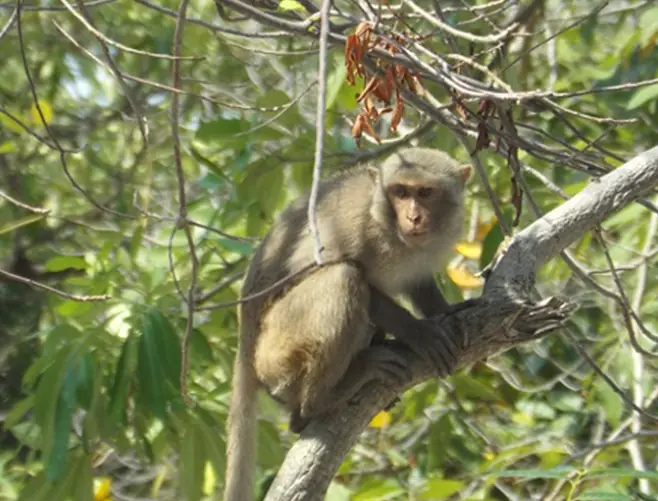
In recent years, the internet has fallen in love with stories about playful monkeys — especially one viral character known as “Punch.”
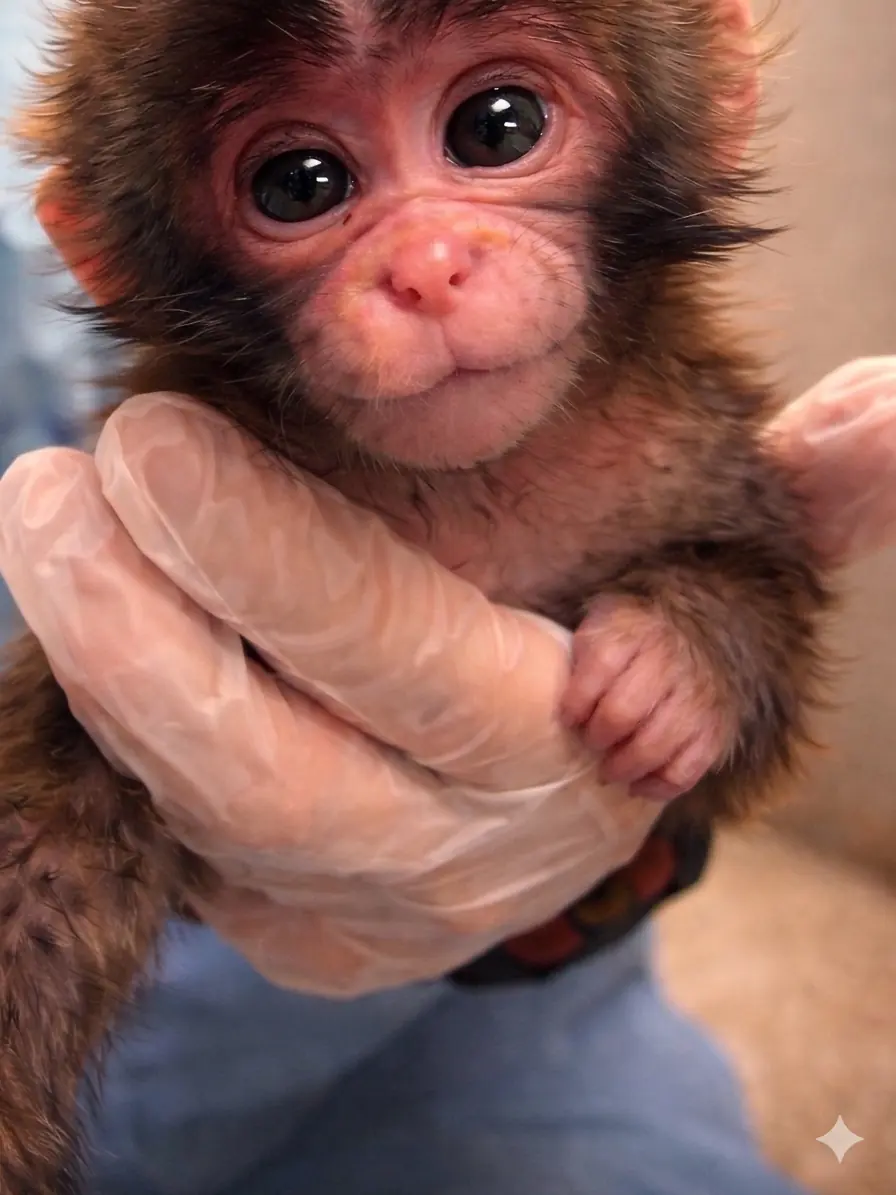
Punch was described as a mischievous yet adorable monkey:
-
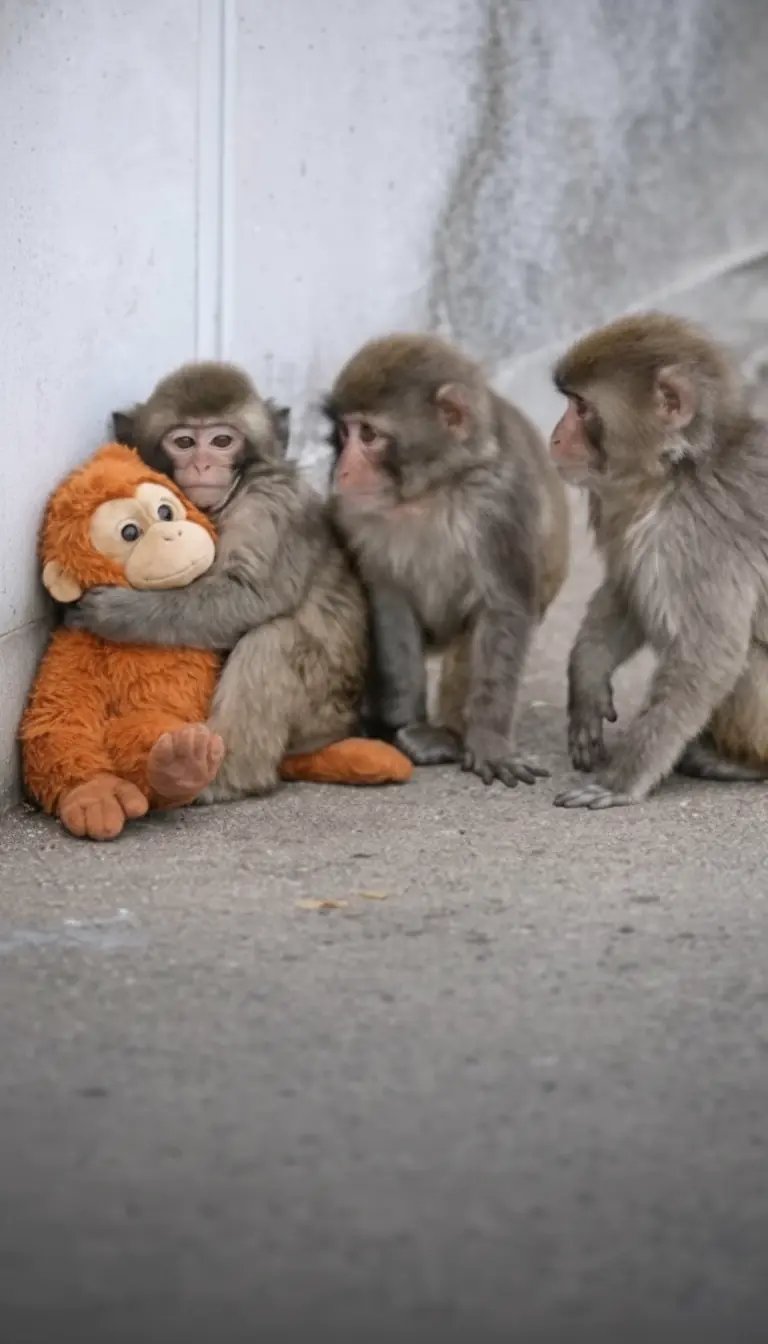
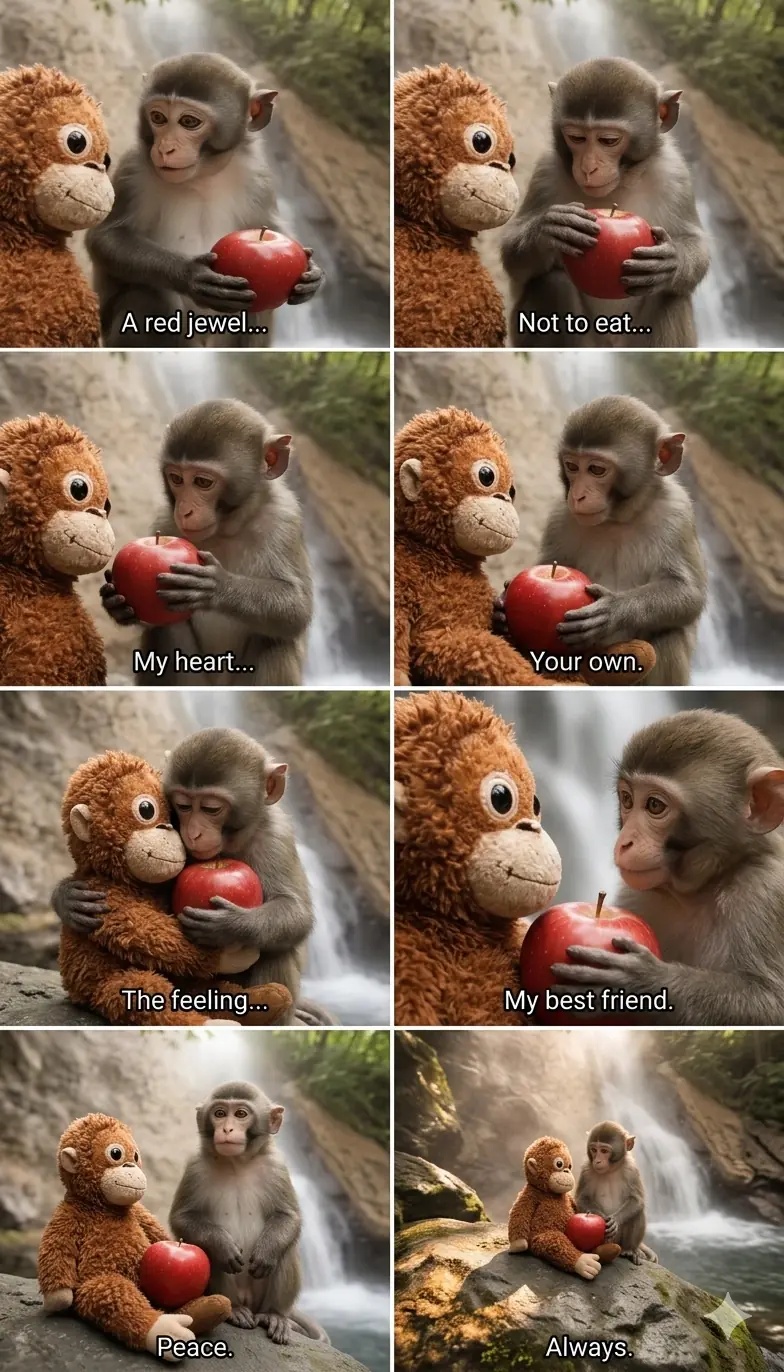
Hugging plush toys shaped like monkeys
-
Jumping onto caretakers’ shoulders
-
Clinging to their legs
-
Following humans around like a child
The story painted a charming image — a monkey full of affection, curiosity, and playful energy.
But like many viral animal stories, reality is often more complex.
🎥 THE VIRAL IMAGE OF A “PLAYFUL” MONKEY

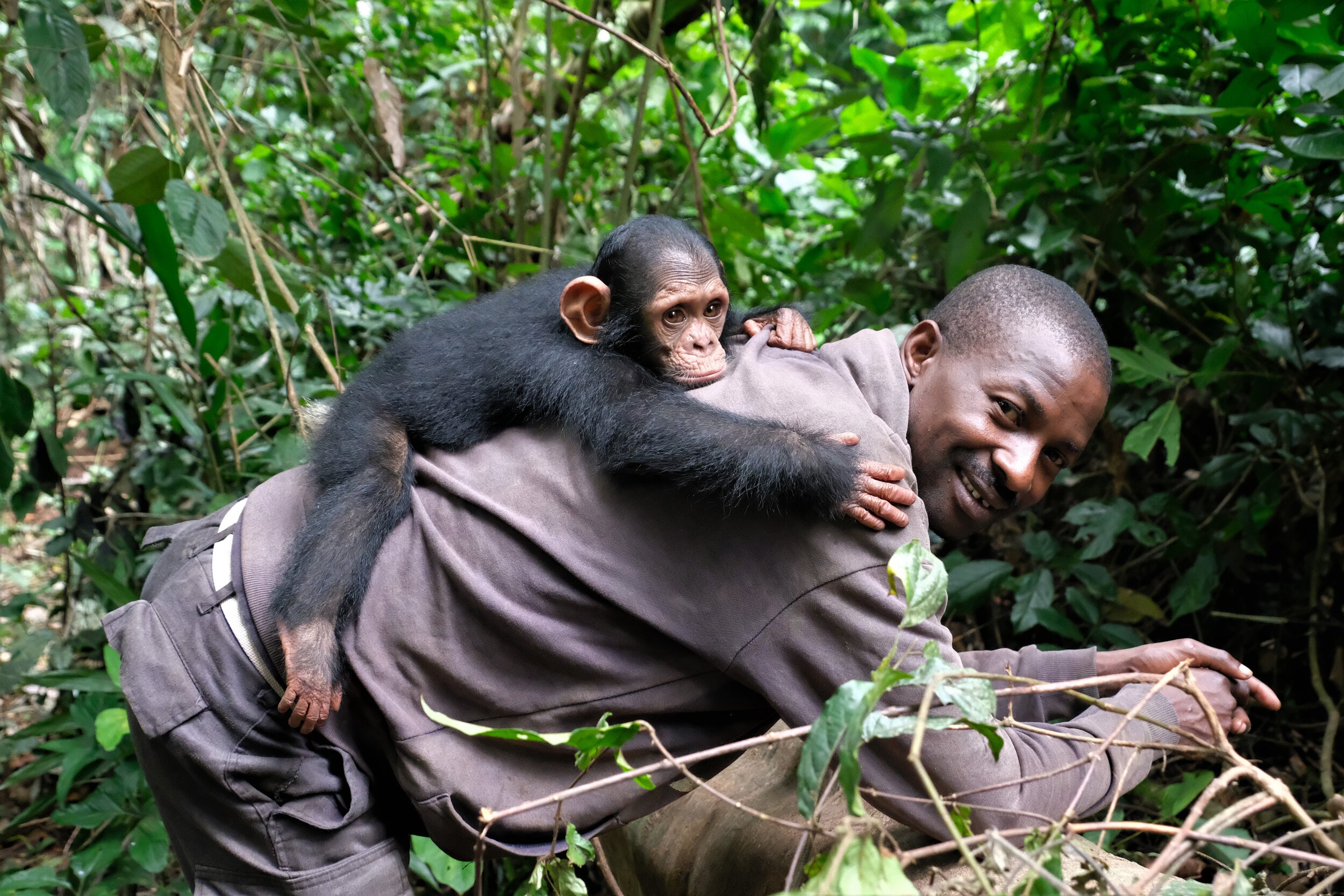


Stories like Punch spread quickly because they tap into something universal:
👉 The idea that animals can love and behave like humans
👉 The illusion of innocence and companionship
👉 A sense of joy and emotional connection
But experts and caretakers often point out:
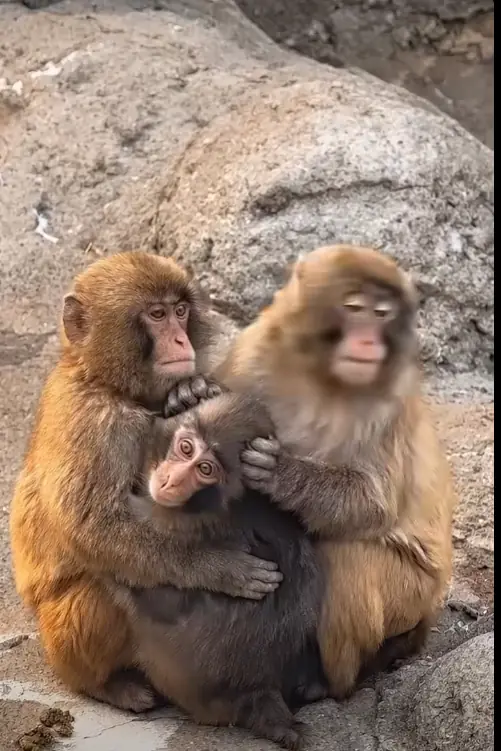
What looks like affection may actually be natural primate behavior — curiosity, social bonding, or even dominance.
And in the wild?
That playful energy can turn into something far more unpredictable.
🌿 REALITY CHECK: MONKEYS IN VIETNAM
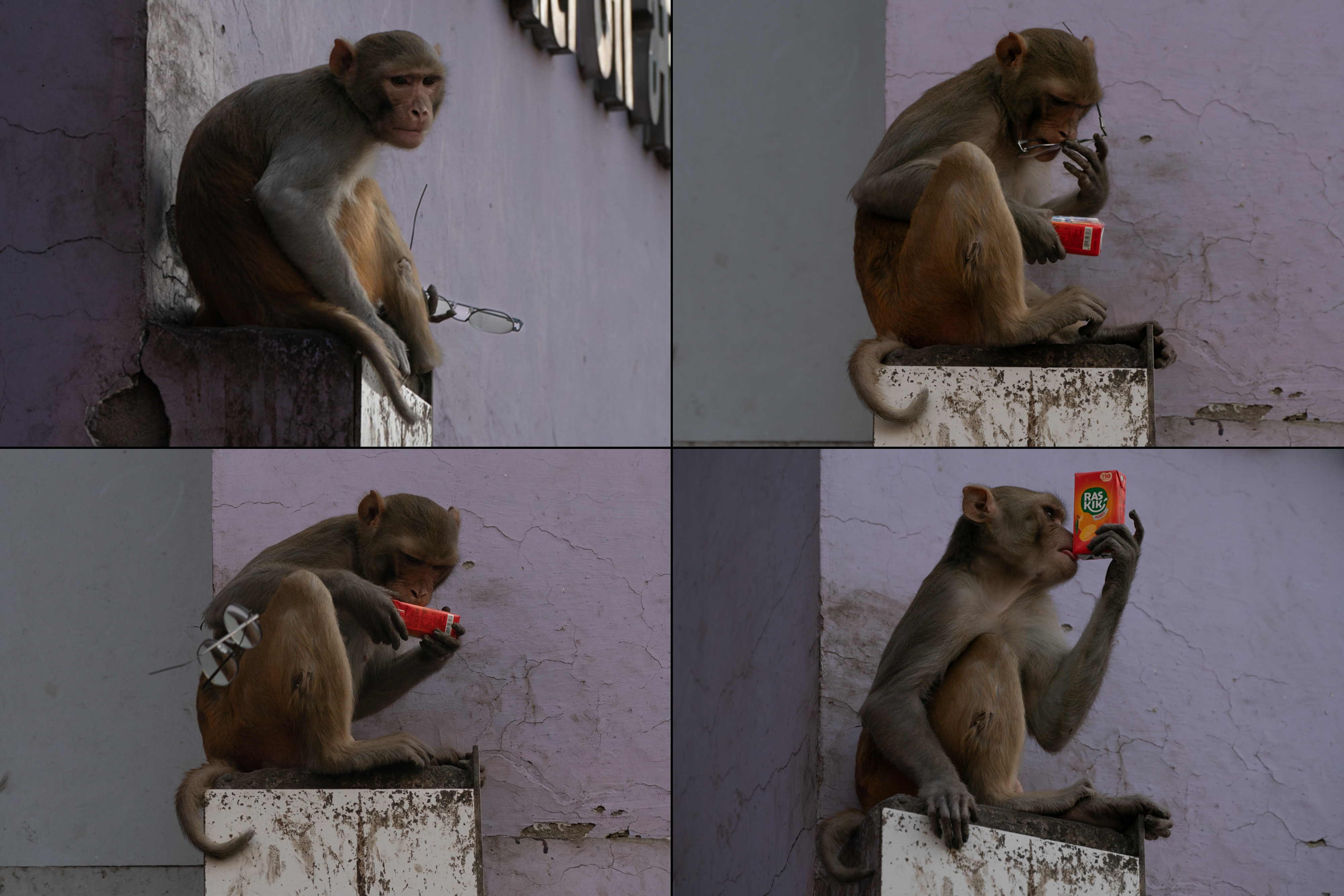
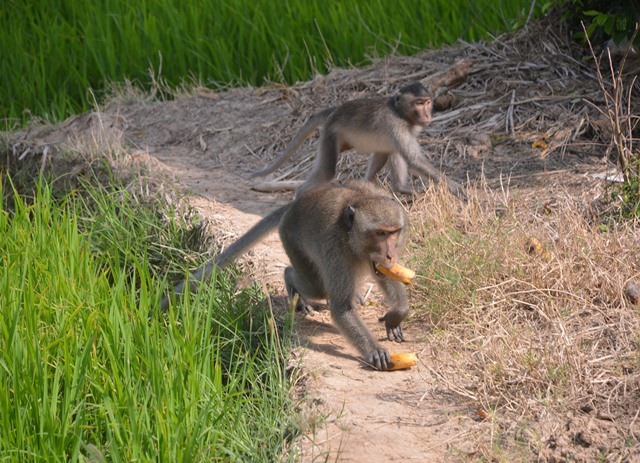
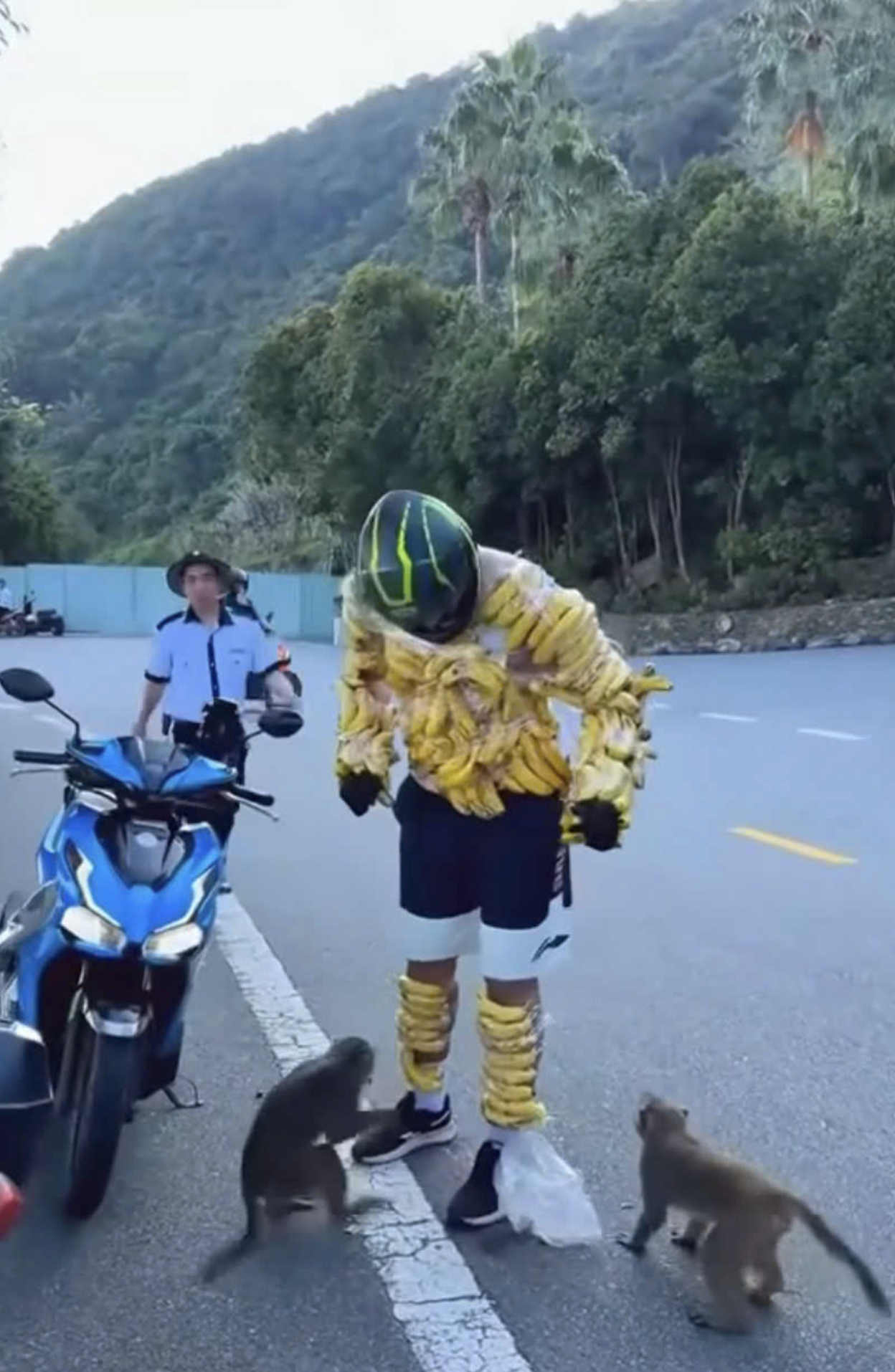
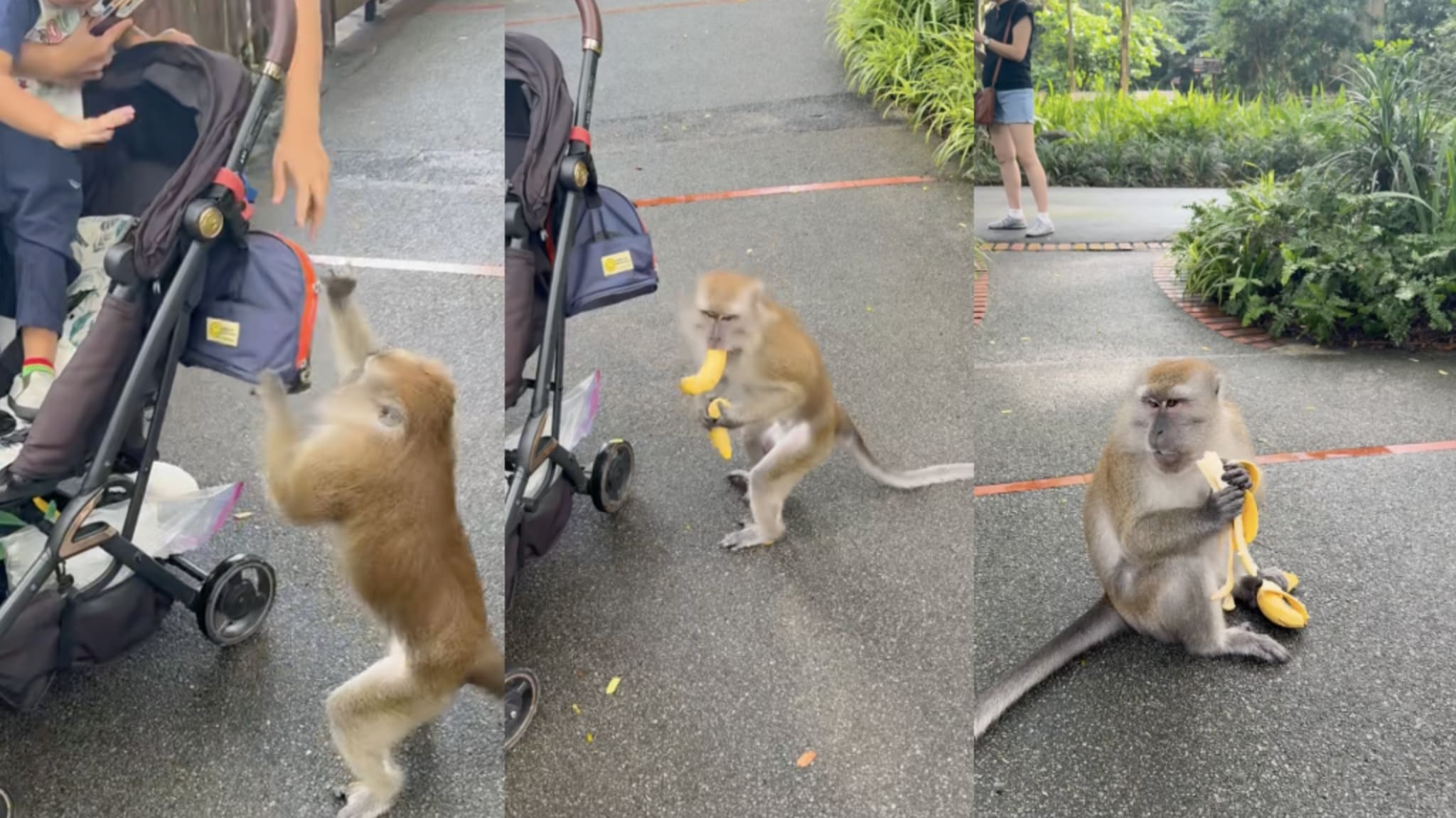
In Vietnam, particularly in rural areas like Bình Tân (Quảng Ngãi), monkeys are not just playful — they are famously clever… and chaotic.
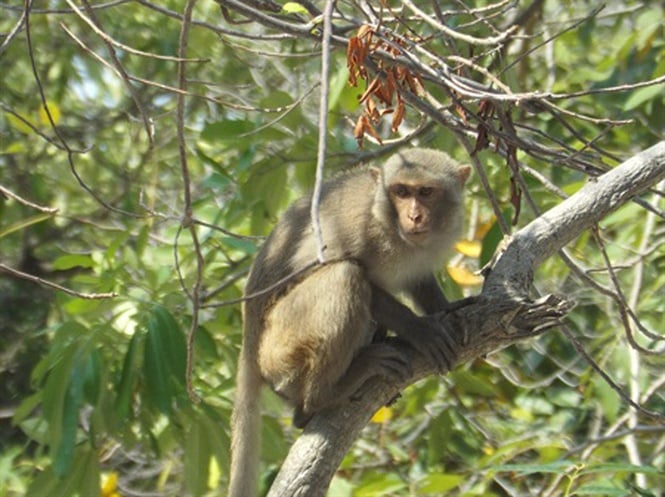
For over 50 years, large monkey populations have lived in the mountains — and frequently descended into villages.
Their behavior?
Equal parts fascinating and frustrating.
-
They steal corn directly from fields — sometimes peeling it skillfully and leaving only the husks
-
They work in groups, with a “leader” keeping watch from trees
-
They coordinate movements — distracting farmers while others take food
-
They even help each other escape traps
One farmer recalled watching a trapped monkey get rescued by seven others who worked together to release it.
It wasn’t random chaos.
It was strategy.

😂 MISCHIEF OR INTELLIGENCE?


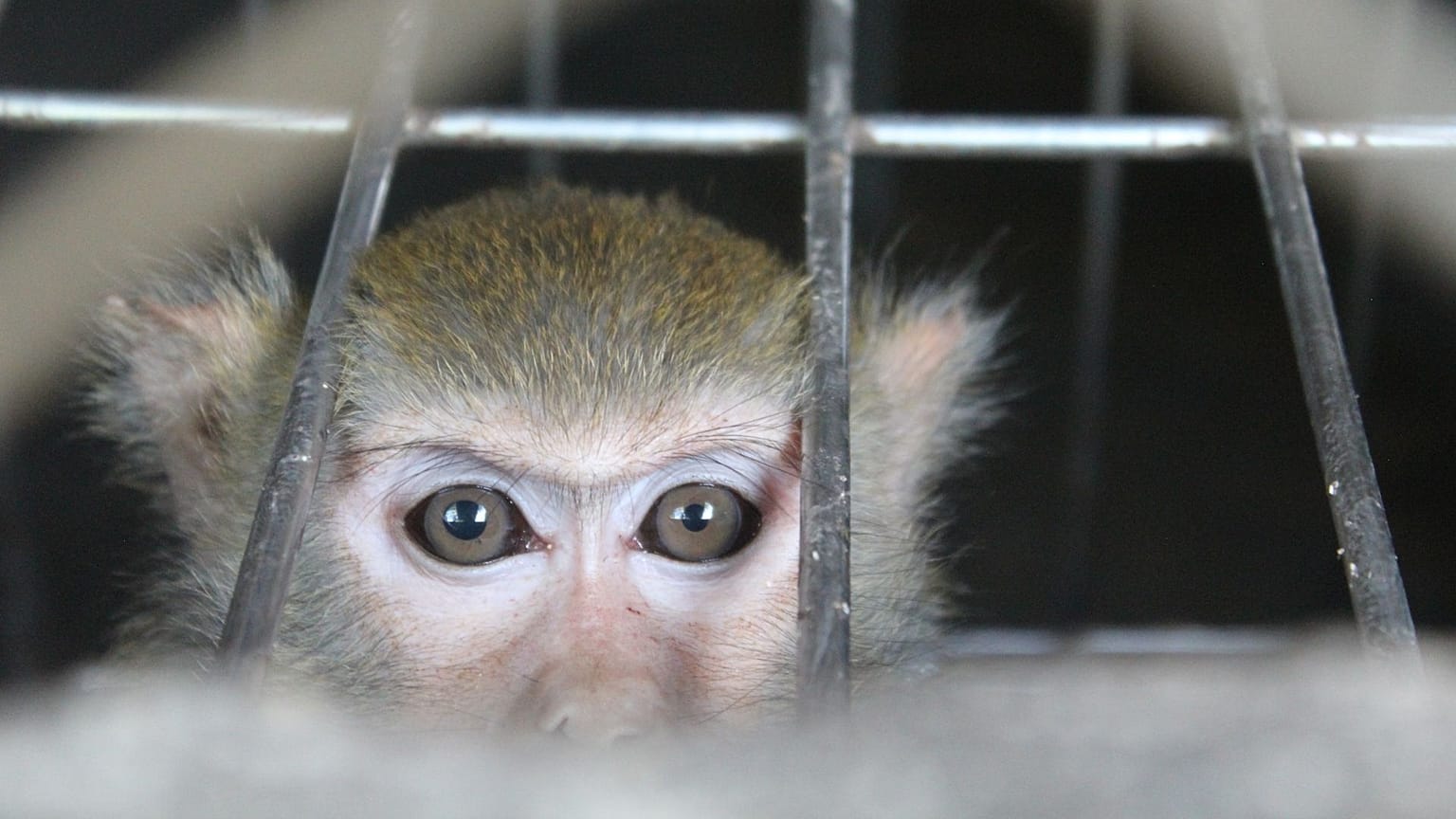
Local villagers often describe the monkeys as:
-
“Too smart for their own good”
-
“Playful but impossible to control”
-
“Like children… but with no rules”
Some even report seeing a dominant monkey walking upright, calmly observing humans — almost like a leader.
Others describe monkeys teasing livestock, chasing dogs, or destroying crops simply out of curiosity.
It’s funny.
Until it isn’t.
⚖️ THE TWO SIDES OF MONKEYS
The contrast is striking:
Viral Stories Real Life Cute, playful, affectionate Intelligent, unpredictable, sometimes destructive Human-like behavior Survival-driven instincts Harmless companionship Complex social hierarchyPunch represents how we want to see animals.
Vietnam’s wild monkeys show how they really are.
💬 THE MESSAGE
Monkeys are fascinating.
They are intelligent.
They are emotional.
They are playful.
But they are not human.
👉 When we project human emotions onto animals, we risk misunderstanding them.
👉 When we romanticize wildlife, we forget their true nature.
The story of Punch may make us smile.
But the monkeys in Vietnam remind us of something deeper:
Wild animals are not characters in a story.
They are living beings — complex, unpredictable, and deserving of respect.
If there’s one thing to remember, it’s this:
The closer animals seem to us… the more careful we should be in understanding them.