When Punch and Momochan Become “Parents”: The Cutest Moment You’ll See Today
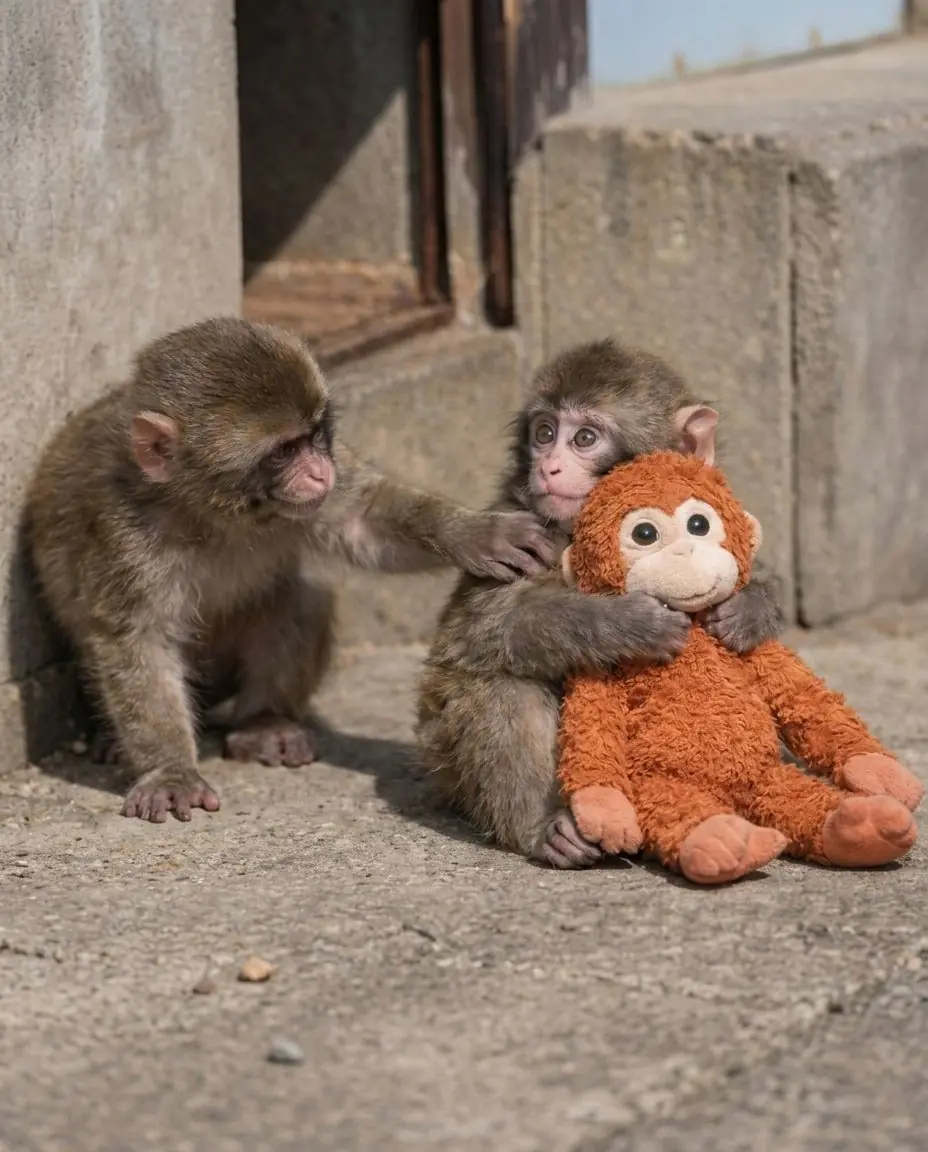
When Punch and Momochan Take “Parenting” Seriously


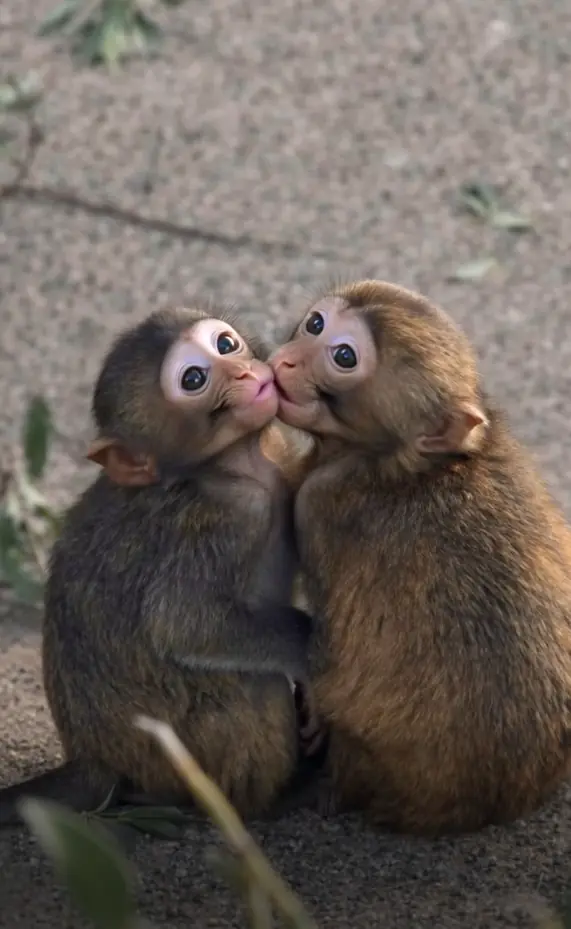
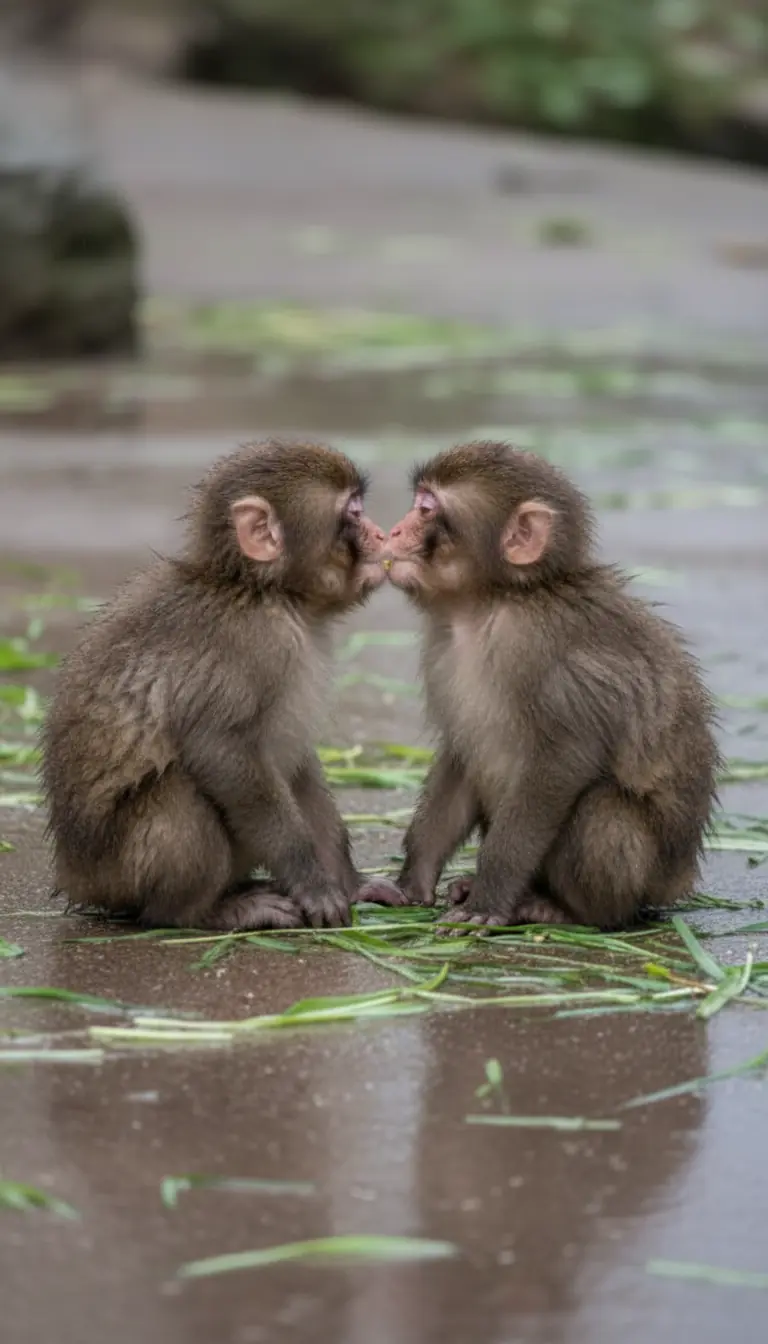
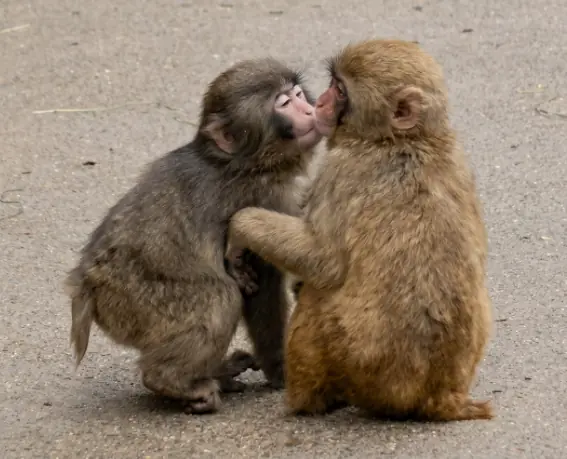
At first glance, it looks like a playful moment.
Two small monkeys.
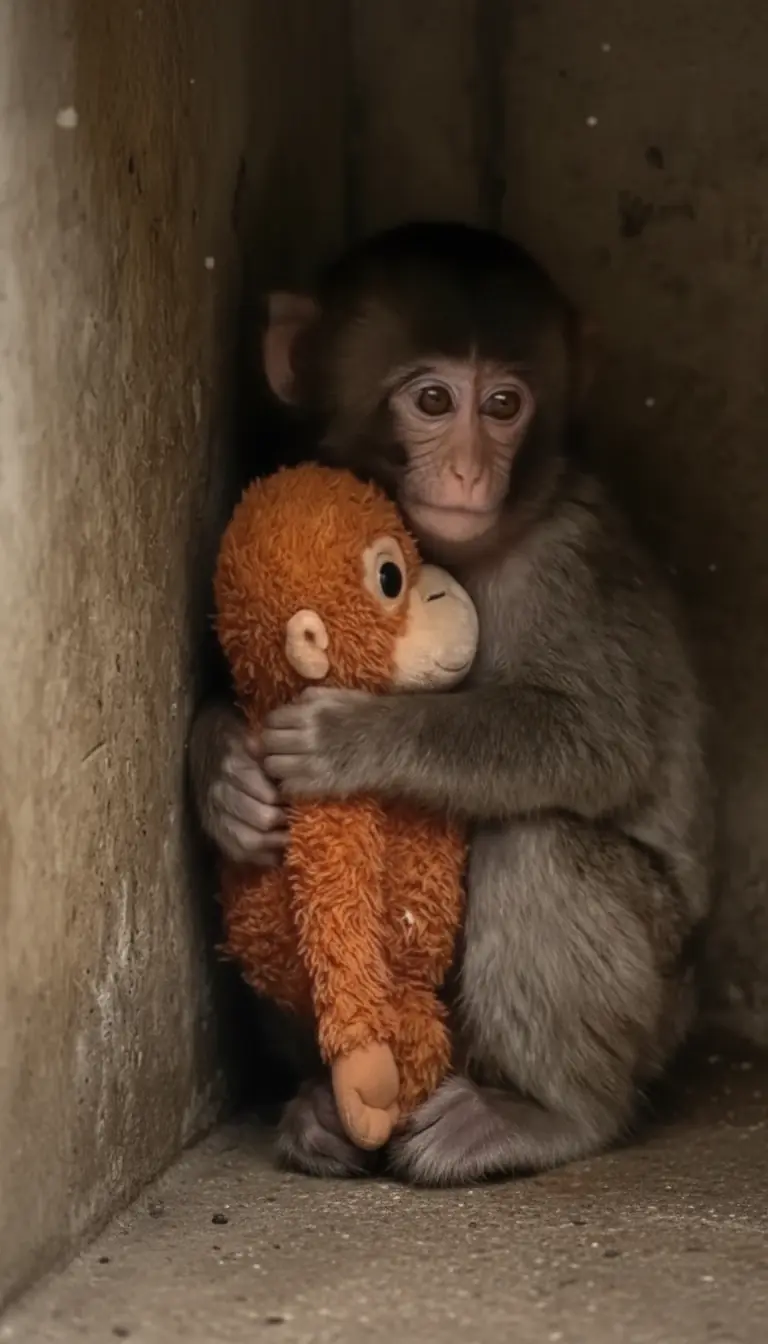
A soft teddy bear.
Tiny hands moving carefully, almost intentionally.
But when you look closer at Punch the monkey and Momochan, something deeper begins to emerge.
This isn’t just play.
It’s a reflection of how connection, care, and early experience shape behavior.
1. Why This Moment Feels So Special
What makes this scene stand out is not the action itself—
but the way it happens.
-
Slow, gentle movements
-
Repeated touching, almost like grooming
-
Focused attention on the object
In primates, grooming is one of the most important social behaviors. It is used to:
-
Build trust
-
Reduce stress
-
Strengthen bonds
So when Punch and Momochan “groom” a teddy bear,
they are not just playing—they are expressing a natural behavior in a new context.
2. The Teddy Bear as a “Social Substitute”


For Punch, the teddy bear holds a special meaning.
Because of his early separation, he lacked:
-
Maternal contact
-
Physical reassurance
-
Continuous emotional presence
The plush became:
-
A constant object
-
A source of familiarity
-
A safe, predictable presence
Over time, it transformed into something more than a toy—
it became part of his emotional world.
3. Why “Caring” Behavior Appears


Young primates often display early forms of caregiving behavior.
This includes:
-
Grooming
-
Holding
-
Gentle touching
These actions are part of learning:
-
Social roles
-
Emotional responses
-
Group interaction patterns
When Punch and Momochan direct this behavior toward a teddy bear,
it shows:
-
Practice of social skills
-
Expression of comfort-based interaction
-
A developing understanding of connection
4. The Influence of Early Experience


Punch’s behavior cannot be separated from his early life.
Because he did not experience typical maternal bonding,
he developed alternative ways to:
-
Seek comfort
-
Express attachment
-
Interact with his environment
The result is a unique combination of:
-
Instinct
-
Adaptation
-
Learned behavior
This is why moments like this feel different—they carry history within them.
5. Why Humans Find This So Emotional


Humans naturally interpret this scene as:
-
Caring
-
Nurturing
-
Almost “parent-like”
This happens because the behavior mirrors human actions:
-
Taking care of something small
-
Being gentle and attentive
-
Showing affection through touch
Even if the intention is not the same as human parenting,
the emotional impact is real.
6. A Quiet Lesson About Kindness


This moment reminds us of something simple:
Kindness does not require complexity.
It can exist in:
-
Small gestures
-
Gentle actions
-
Quiet attention
Whether it is directed toward a person, an animal, or even an object—
the act itself reflects something deeper.
Conclusion
What looks like a playful “spa day” is actually a layered moment of:
-
Social learning
-
Emotional expression
-
Behavioral adaptation
Punch and Momochan are not just playing with a toy.
They are interacting with the world in the only way they know how—
through touch, curiosity, and connection.
Final Reflection
Sometimes, the smallest gestures reveal the most about who we are.
Not what we say—
but how gently we choose to act.
💬 What was the name of your favorite childhood toy?