Today I want to revisit the moment that changed my life forever.
Today I want to recall an incident that changed my life forever.
I was on a bus headed to the university. It was winter—the kind of cold that bites straight into your bones. The windows were fogged up, and the air was heavy with the smell of cheap tobacco and worn-out clothing. At one stop, a man in his fifties got on. He gripped the handrail as if it were his last lifeline.
At first I thought he was drunk, but it didn’t take long to understand something was seriously wrong. His stare was empty, his skin had a grayish tint, and his movements were slow and unsteady.
We got off at the same stop. For some reason, I followed him. He swayed as he walked, like every step was a struggle. I came closer.
“Are you feeling okay?” I asked.
He looked at me with eyes full of pain, but before he could answer, he crumpled to the ground.
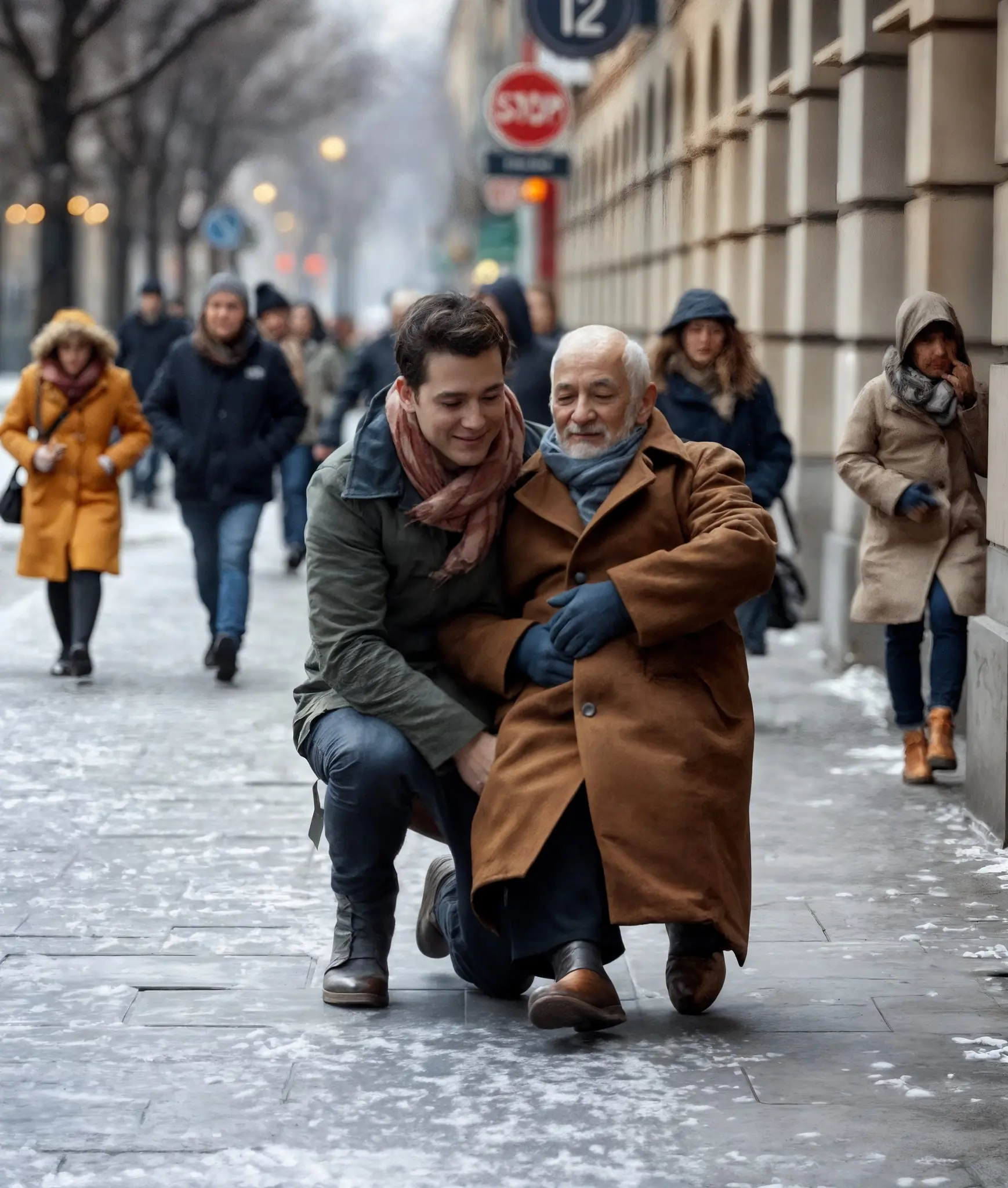
I dropped to my knees beside him at once, shook him, tried to bring him back to consciousness—nothing. People passed by: some looked away, some pretended they hadn’t noticed, and a few quickened their pace. I was the only one who stayed, calling out loudly and dialing for an ambulance.
The paramedics arrived quickly. They worked with sharp focus, without wasting a second. One of them—an older man with gray at his temples—looked at me and said:
“It’s a good thing you were here. Without your help, he wouldn’t have survived.”
I nodded and went to class. I was late, but I felt in my chest that I’d done the right thing.
It was just my mother and me at home. My father left before I was born. Mom worked as a cleaner, and I helped her—getting up before sunrise to clear snow, carrying heavy bags, doing whatever I could. We didn’t complain. We simply kept going.
Then one morning, when the frost felt like it was slicing at your skin, a luxury car pulled up. An elegant woman stepped out—someone who looked as though she’d never known hardship.
“Are you Javier?” she asked.
“Yes…”
“The doctor gave me your contact information,” she said. “You saved my husband. Without you, he wouldn’t have made it. Thank you.”
She handed me an envelope. Inside was enough money to wipe out every one of my mother’s debts. For the first time in my life, I saw her cry tears of happiness.
I finished my education and joined the emergency services. My mother always told me:
“You’re a real man, son. There are almost none like you left.”
Later, I met Lucía—down-to-earth, smart, sincere. When I brought her home, my mother hugged her like a daughter she’d been waiting for.
“This is the kind of girl you deserve,” she whispered.
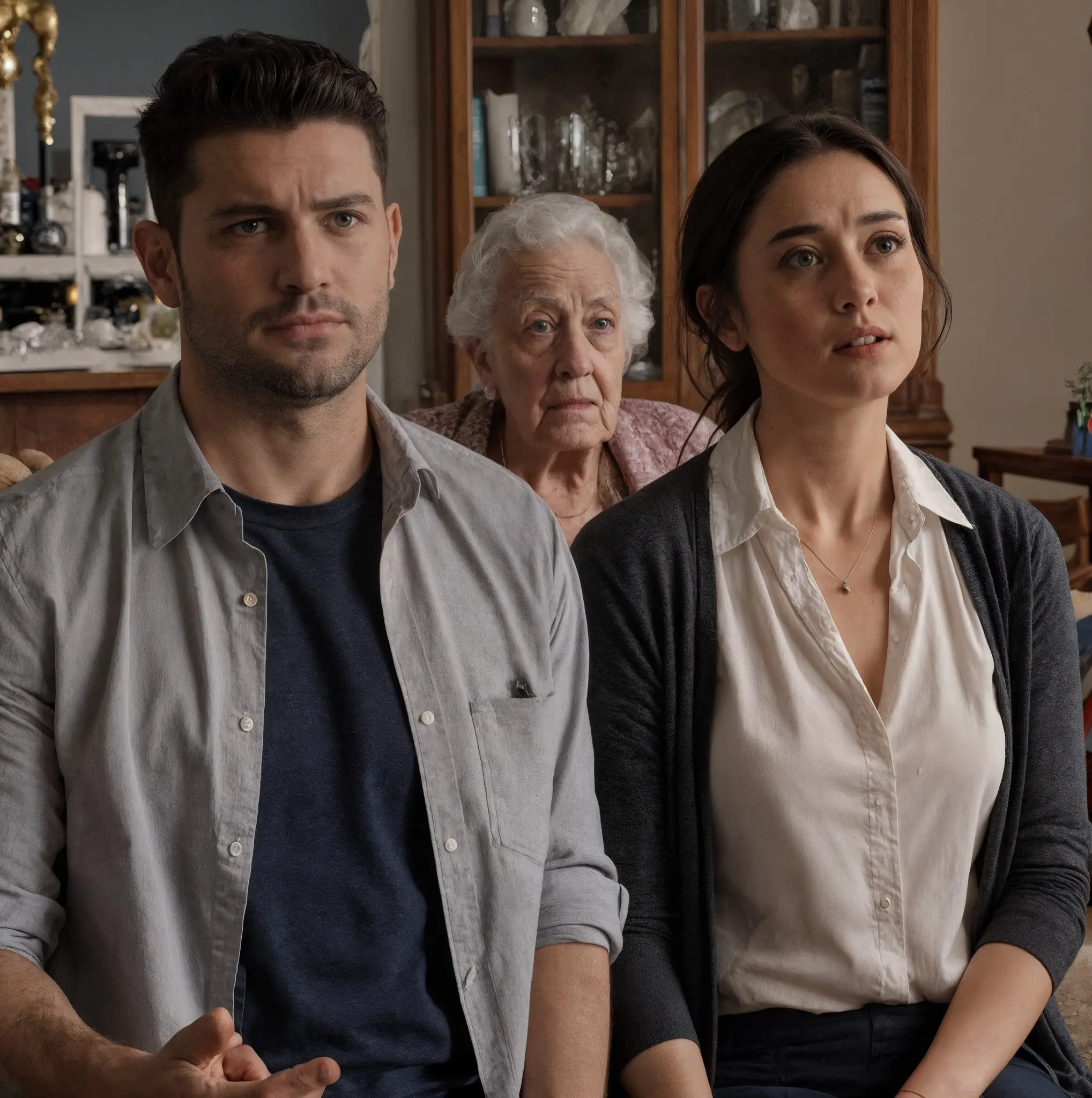
Then came the day I met Lucía’s parents. I was nervous—her family felt like they were from another world. Her father owned a large company, and her mother was a university professor. The moment I walked in, the man went pale and couldn’t take his eyes off me.
“It’s you…” he whispered, then stood up and pulled me into a tight embrace.
“Lucía, remember the story I told you?” he said. “About the young man who saved my life… It’s him.”
I recognized him immediately—the same man I hadn’t left on the street. His eyes were no longer dull; they were shining with tears. He turned to his wife and said:
“Fate knows how to repay its debts.”
We all cried openly, without shame. His daughter became my wife—and he became my father-in-law.
That’s how it happens: one single act of human kindness can change many lives.