Strange Behaviors of Monkeys That Science Still Can’t Fully Explain
Monkeys are among the most intelligent animals on Earth. They use tools, form social bonds, and communicate in surprisingly complex ways. Yet, despite decades of research, scientists still encounter behaviors that are… difficult to explain.
Some actions appear emotional. Others seem ritualistic. A few even resemble human-like psychology.
These aren’t just random quirks.
They are patterns that challenge our understanding of intelligence, emotion, and consciousness in animals.
1. Attachment to Objects: More Than Just “Play”

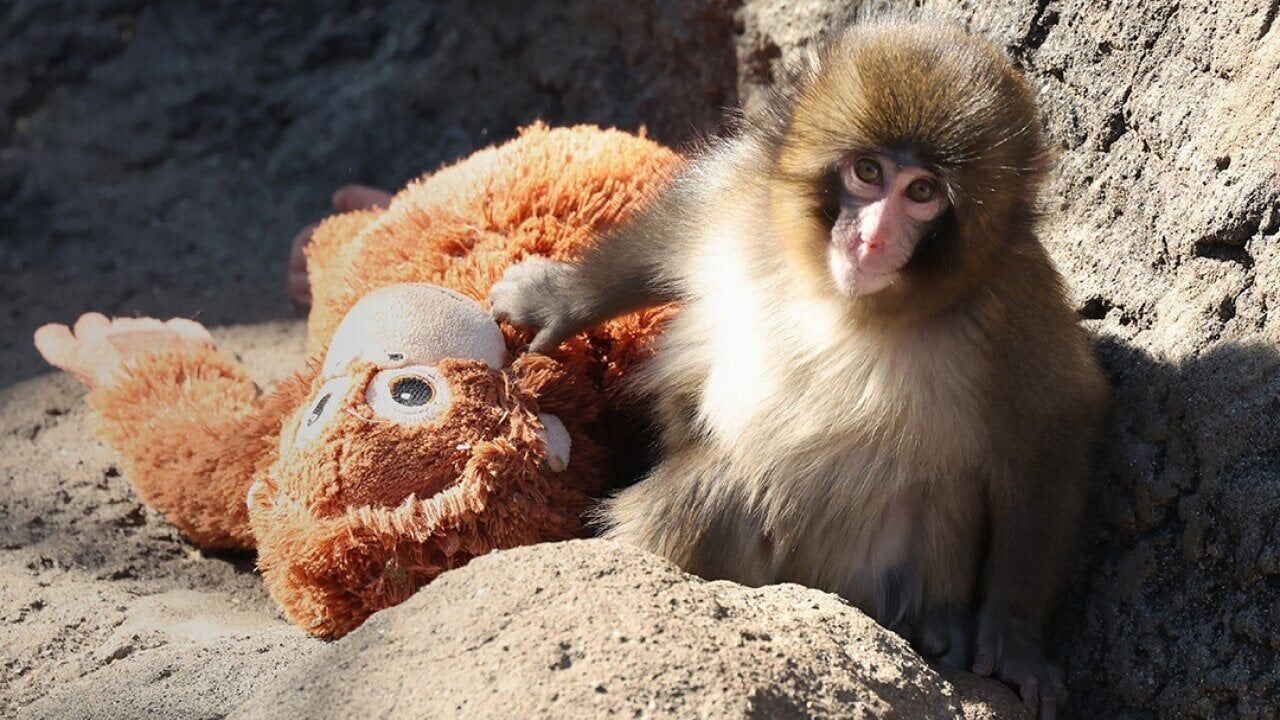
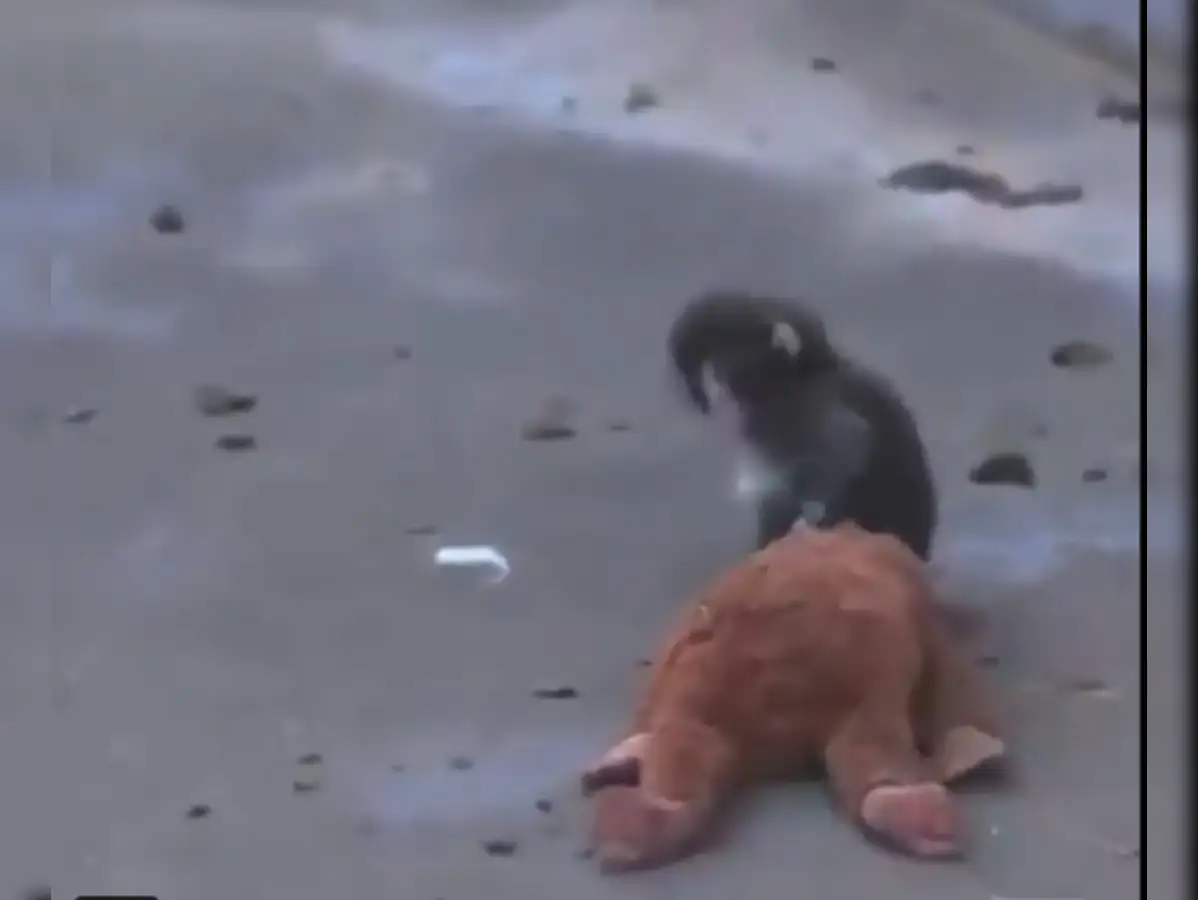

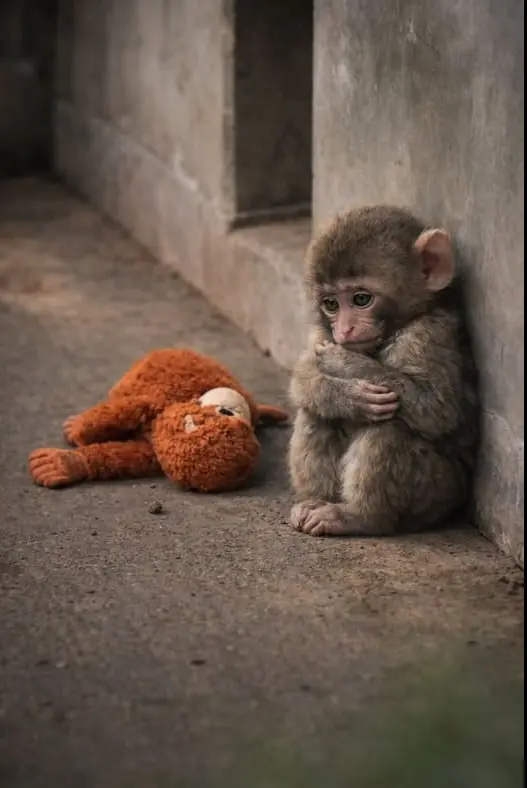
One of the most striking behaviors observed in monkeys is their deep attachment to objects.
Young monkeys — especially those separated from their mothers — often cling to:
-
Cloth
-
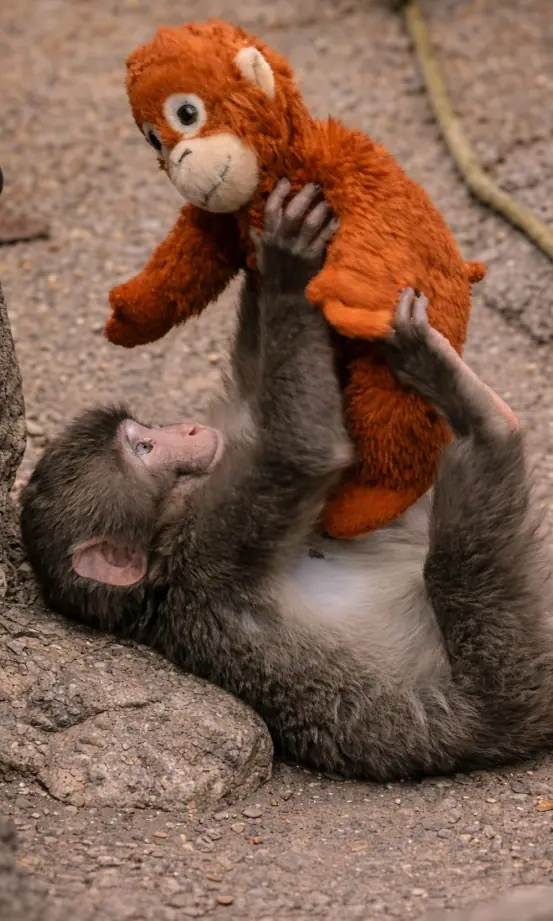
Toys
-
Random objects
At first, scientists believed this was simple substitution behavior.
But over time, it became clear:
👉 These objects function as emotional anchors.
Some monkeys:
-
Carry the same object for months
-
Show distress when it’s removed
-
Treat it like a living companion
💡 Why it’s still mysterious:
We don’t fully understand how deeply monkeys perceive these objects.
Do they know it’s not real — or does it emotionally become real?
This behavior closely mirrors human attachment to comfort items in childhood.
2. “Social Exclusion” and Bullying in Monkey Groups
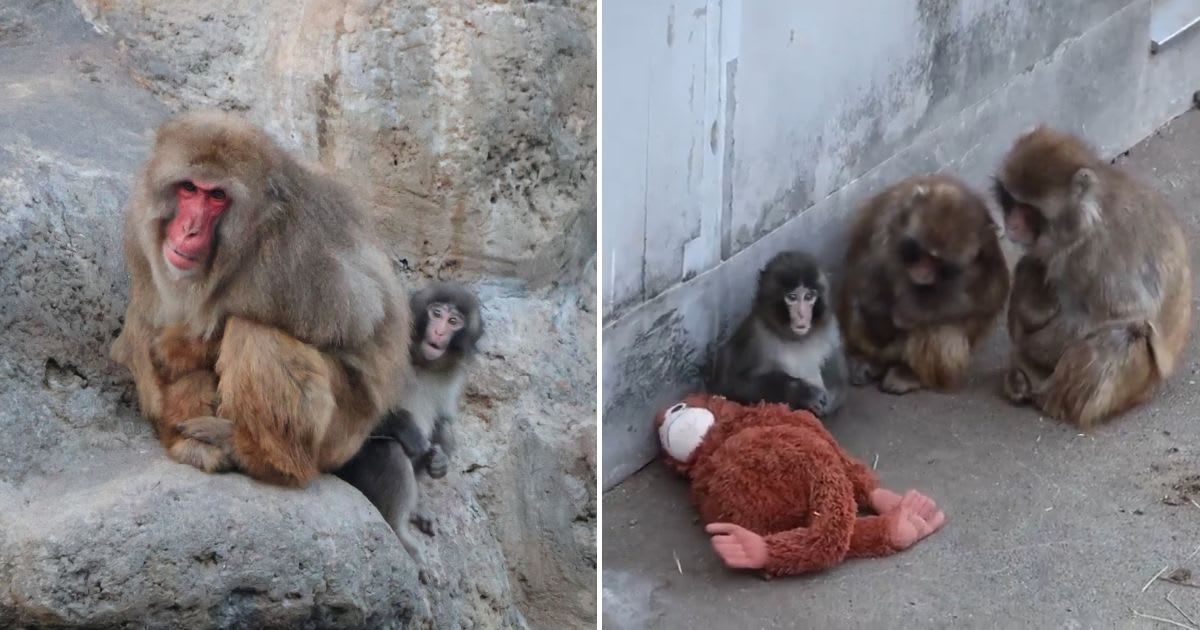


Monkey societies are highly structured — but sometimes, they display behavior that looks eerily human.
Certain individuals are:
-
Ignored
-
Pushed away
-
Targeted repeatedly
This goes beyond simple dominance.
It resembles social exclusion.
Some monkeys become long-term outsiders, even when they pose no threat.
💡 The mystery:
Why does a group collectively “decide” to exclude one member?
There’s no clear survival benefit.
Some researchers suggest:
-
Emotional contagion
-
Learned group behavior
-
Early-life disadvantage
But no theory fully explains it.
👉 It raises a difficult question:
Are monkeys capable of something like social bias?
3. Grooming Rituals That Go Beyond Hygiene
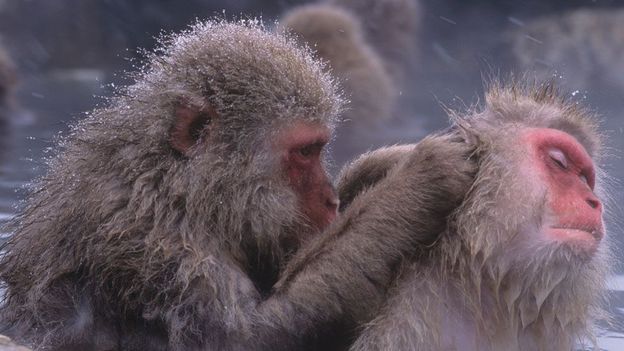
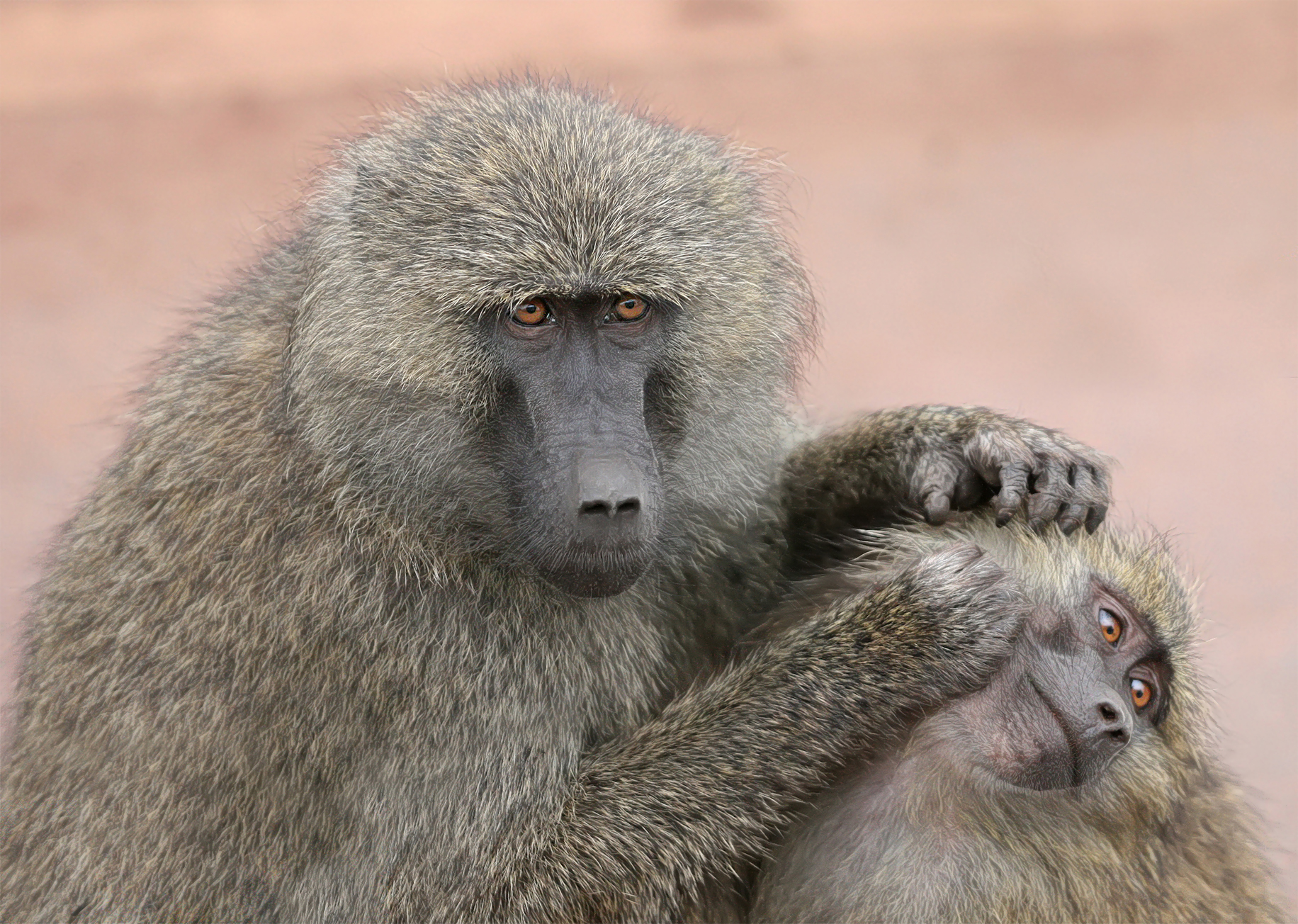

Grooming is one of the most studied monkey behaviors.
On the surface, it’s about:
-
Cleaning fur
-
Removing parasites
But in reality, it’s much more.
Monkeys groom:
-
Even when there are no parasites
-
In structured social patterns
-
Sometimes for long periods with no obvious purpose
💡 Scientists now believe grooming is:
👉 A form of social currency
But here’s what remains unexplained:
-
Why do some grooming sessions appear almost ritualistic?
-
Why do certain monkeys groom specific individuals repeatedly?
-
Why does grooming sometimes reduce stress like a calming therapy?
It’s not just hygiene.
It’s something closer to emotional regulation.
4. Grief and Mourning Behaviors
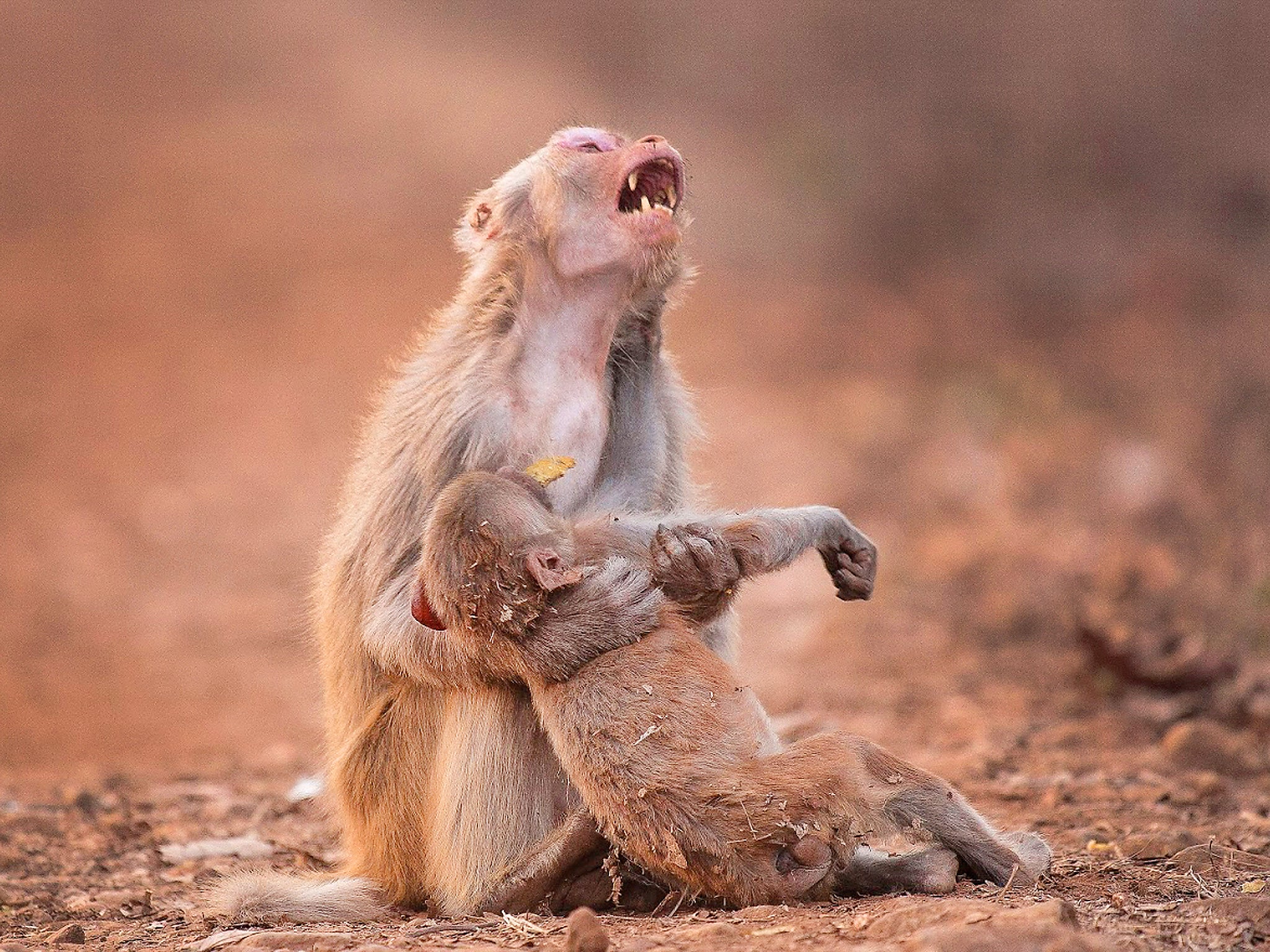
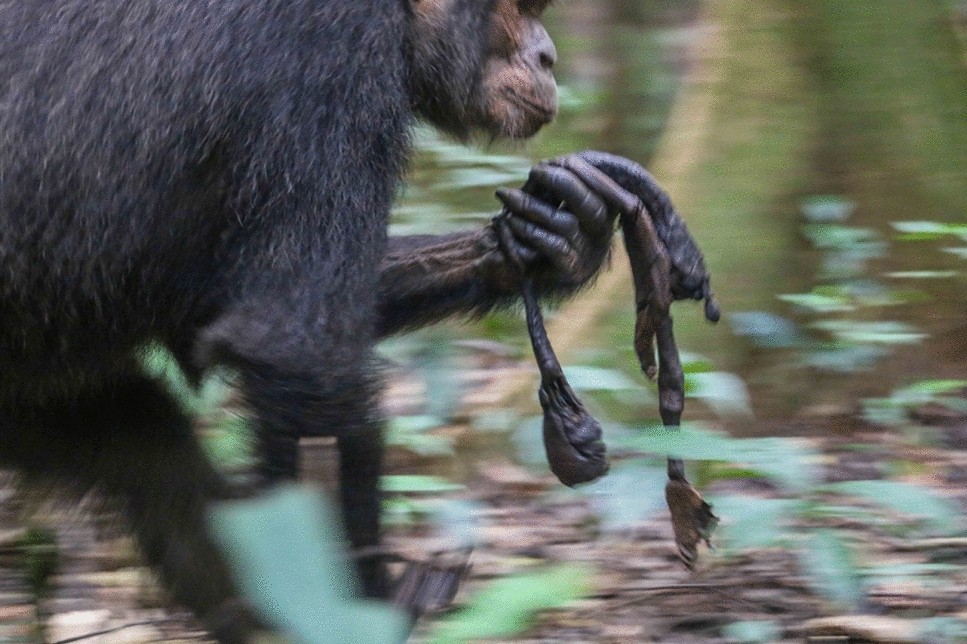
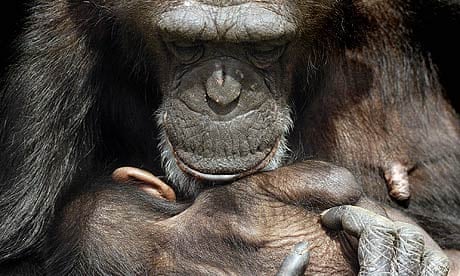
Perhaps the most haunting behavior is how some monkeys respond to death.
There are documented cases where monkeys:
-
Carry the bodies of deceased infants for days
-
Sit quietly beside a dead group member
-
Show reduced activity after loss
This looks very much like grief.
💡 But science struggles to answer:
👉 Do monkeys understand death?
👉 Or are they reacting to absence and confusion?
The emotional depth here is undeniable — but its true nature remains unknown.
5. Risky, “Unnecessary” Play and Exploration

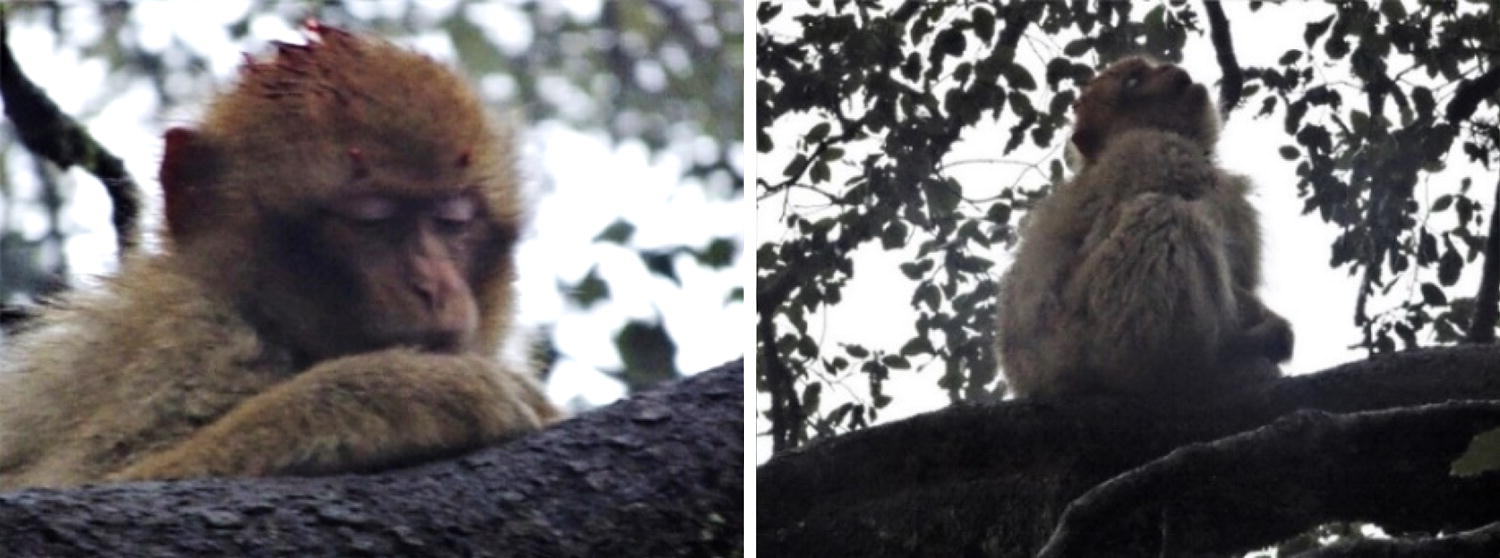
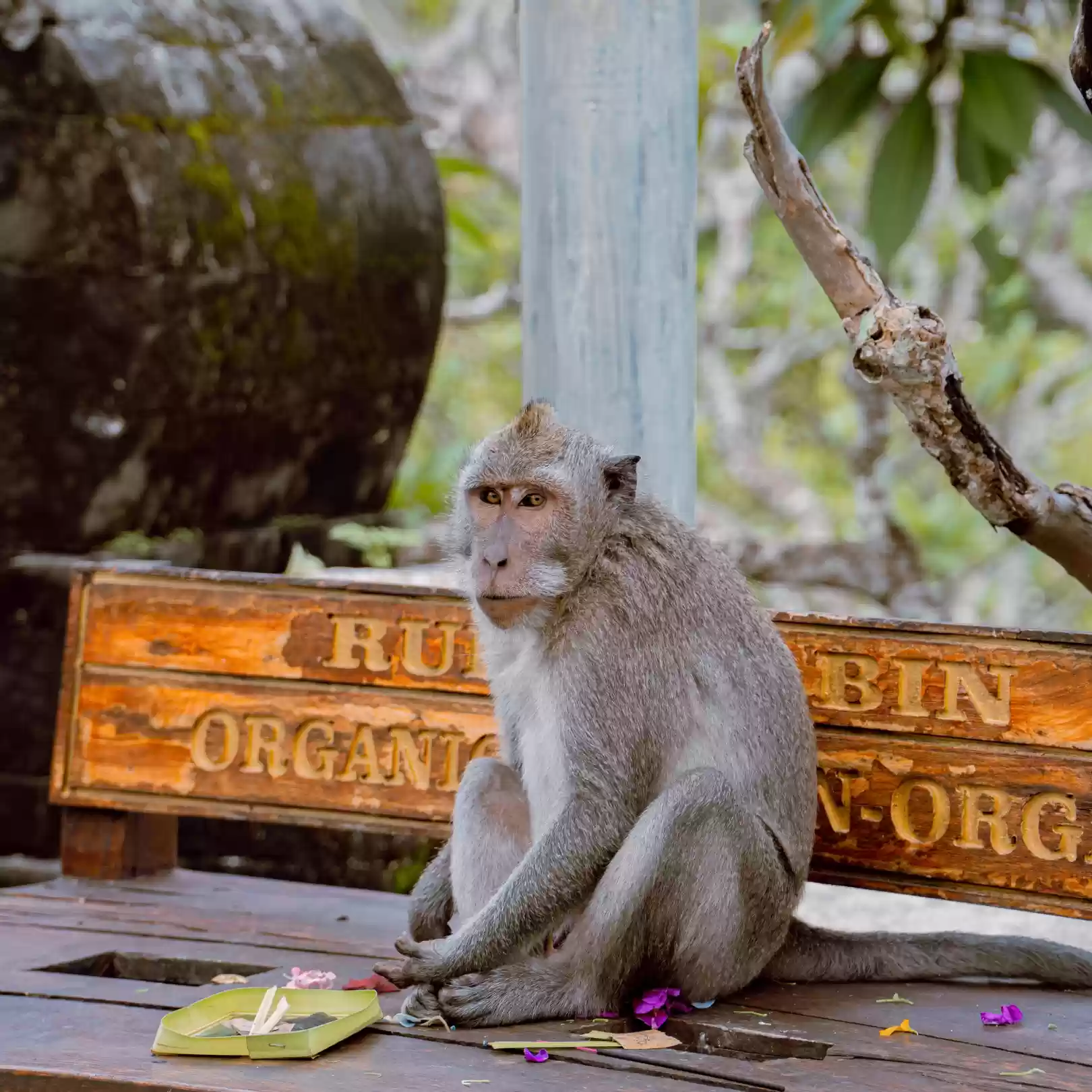

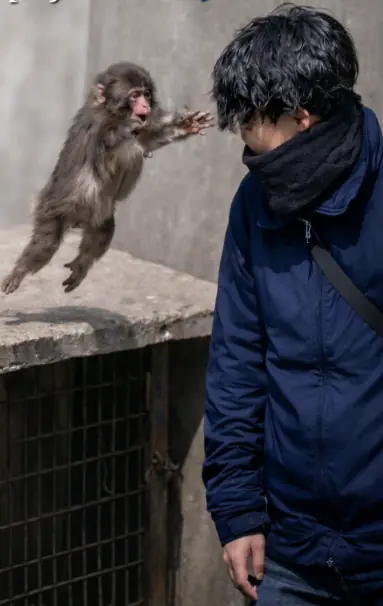
Young monkeys often engage in behavior that seems… unnecessarily risky:
-
Jumping from high places
-
Approaching unfamiliar individuals
-
Testing boundaries repeatedly
From a survival standpoint, this is dangerous.
Yet, it’s consistent across species.
💡 Why is this puzzling?
Because it suggests:
👉 Curiosity may override fear.
Some scientists believe this behavior is essential for:
-
Learning
-
Social development
-
Brain growth
But the intensity of risk-taking is still not fully understood.
6. Silent Communication and “Unspoken Understanding”
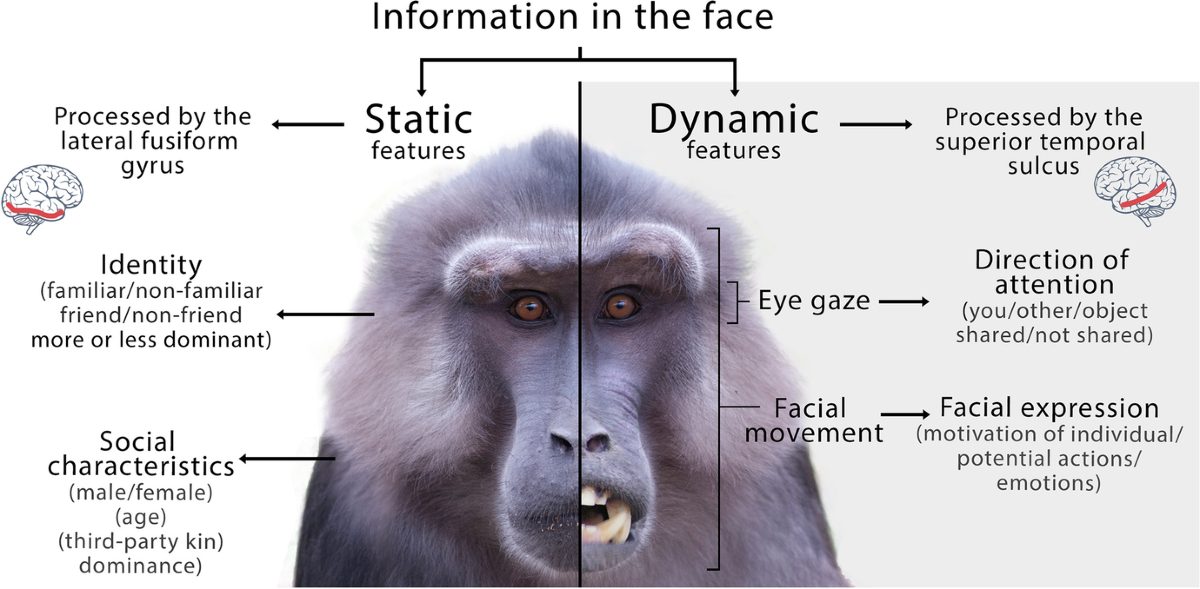
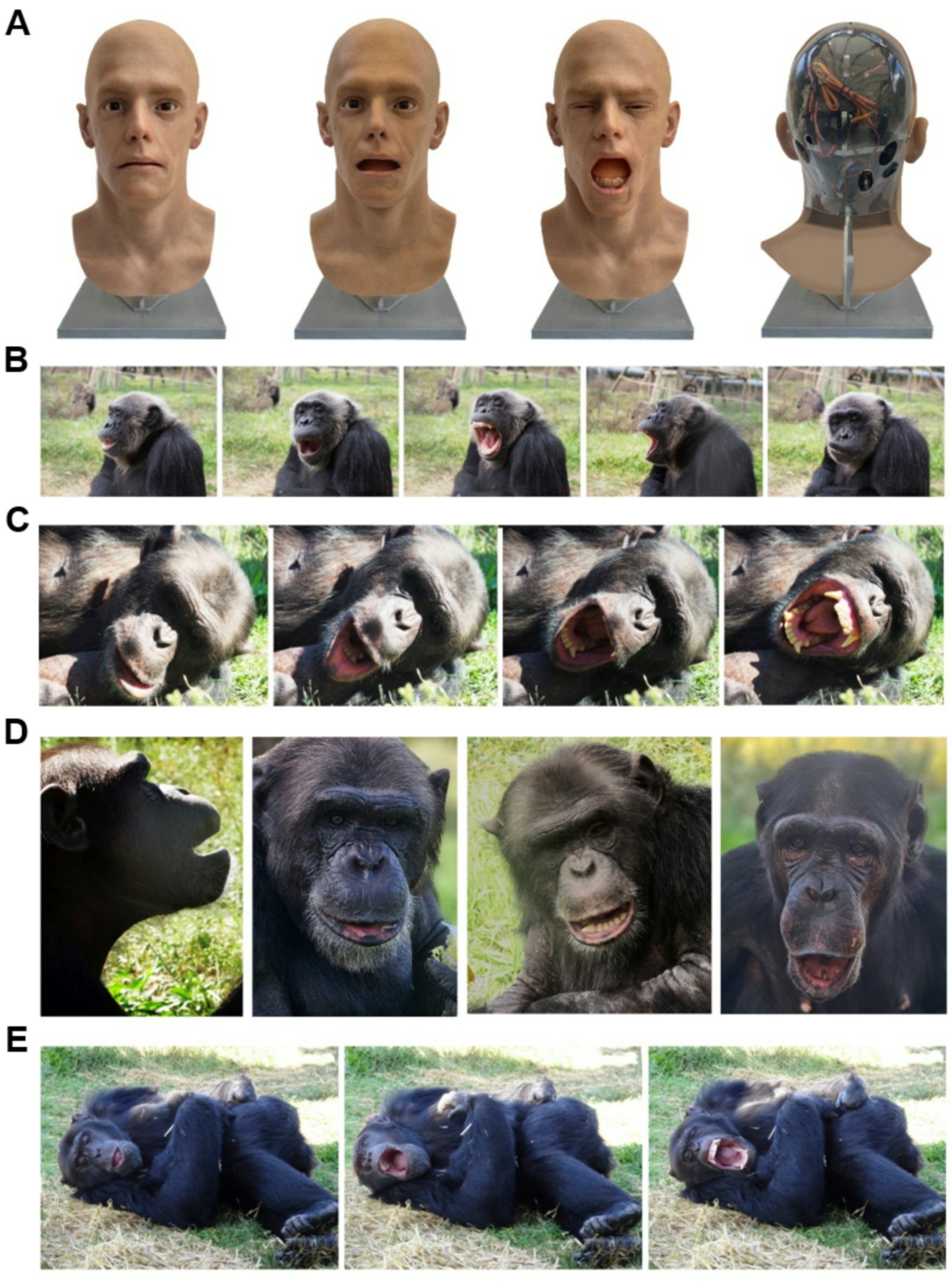
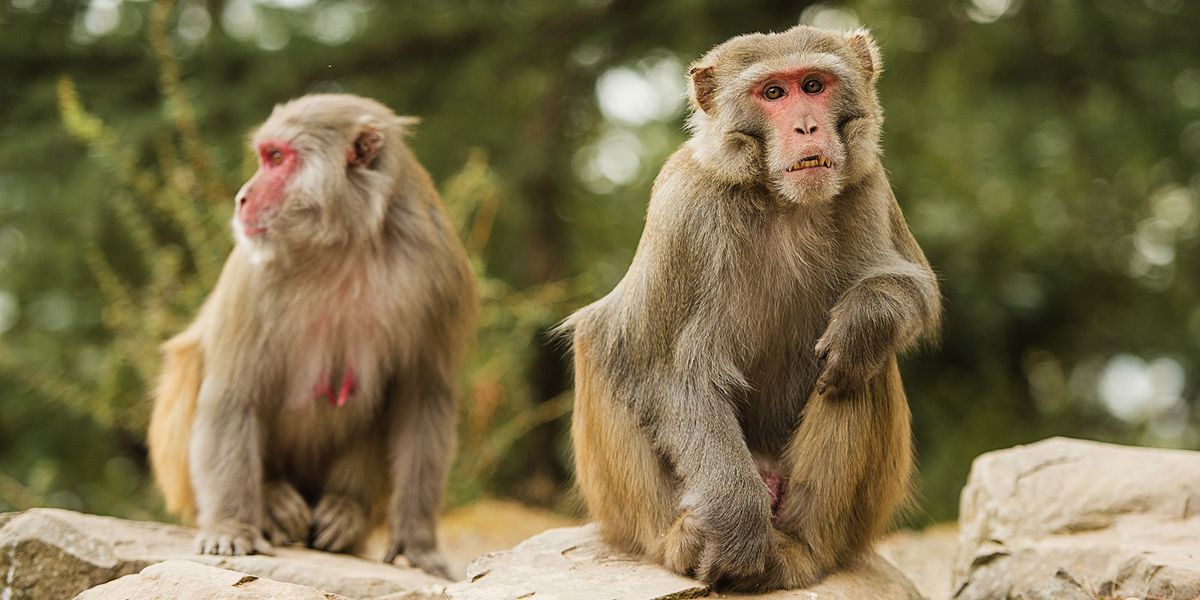

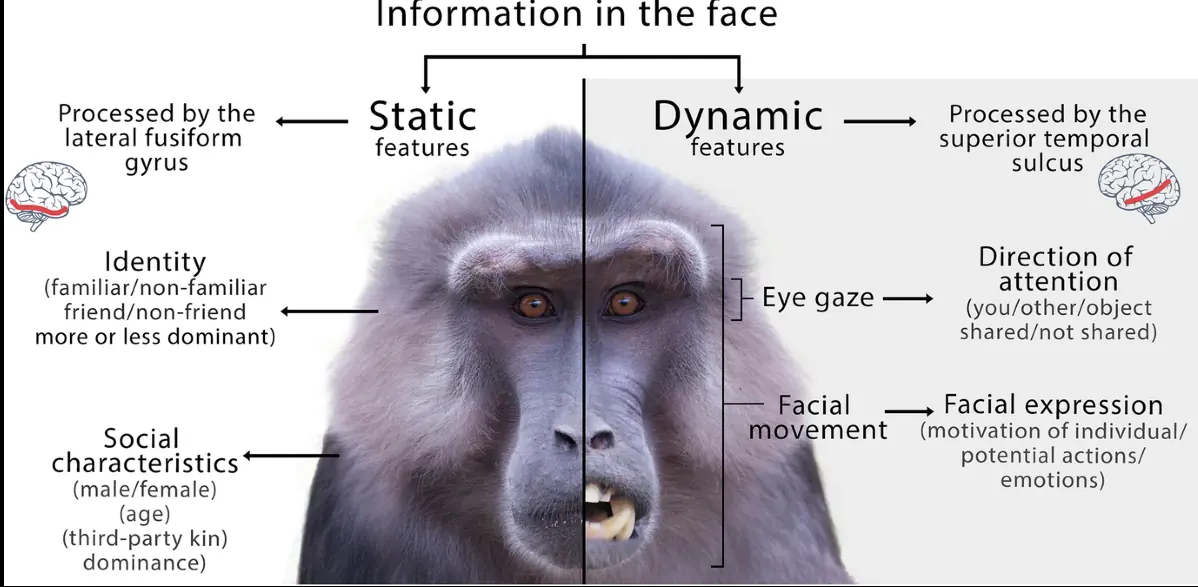
Monkeys don’t rely only on sounds.
They communicate through:
-
Eye contact
-
Facial expressions
-
Body posture
Sometimes, entire interactions happen without a single sound.
💡 The mystery:
👉 How much do they actually understand each other?
Do they interpret intention? Emotion? Thought?
We know they communicate —
But we don’t fully understand how complex that communication is.
Conclusion: A Mirror of Ourselves
The more we study monkeys, the more we realize:
👉 They are not just animals acting on instinct.
They show:
-
Attachment
-
Social complexity
-
Emotional depth
-
Learning and adaptation
And yet…
We still don’t fully understand them.
Perhaps the most unsettling idea is this:
💛 The gap between humans and monkeys may not be as wide as we once believed.
Final Thought
These “strange behaviors” aren’t just mysteries about monkeys.
They are clues.
Clues about:
-
The origins of human emotion
-
The evolution of social behavior
-
And the nature of consciousness itself
💬 What do you think?
👉 Which behavior surprised you the most?
👉 Do you think monkeys feel emotions like humans do?
👉 Drop a ❤️ if you found this fascinating
👉 Share your thoughts — your perspective might add something new to this mystery