Scientists Warn: Baby Monkey Punch May Face a Tragic Future
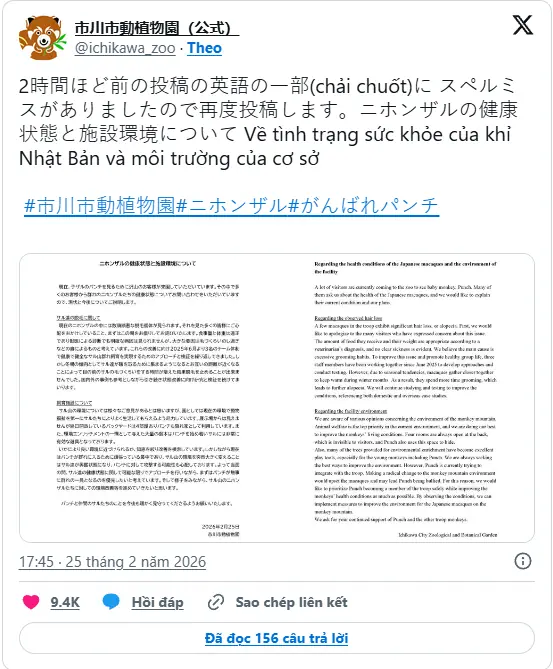
While millions online see Punch as a heartwarming symbol of resilience, experts and animal rights groups warn that his story may not be as “cute” as it seems — and could point to a much more troubling reality.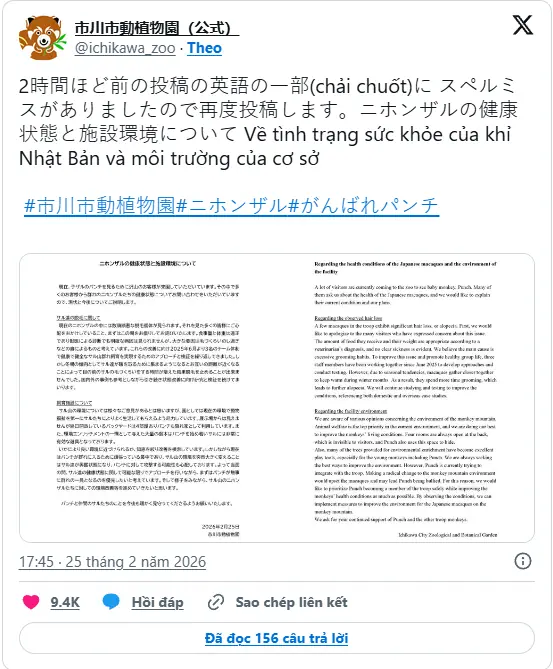
The internet’s favorite baby monkey
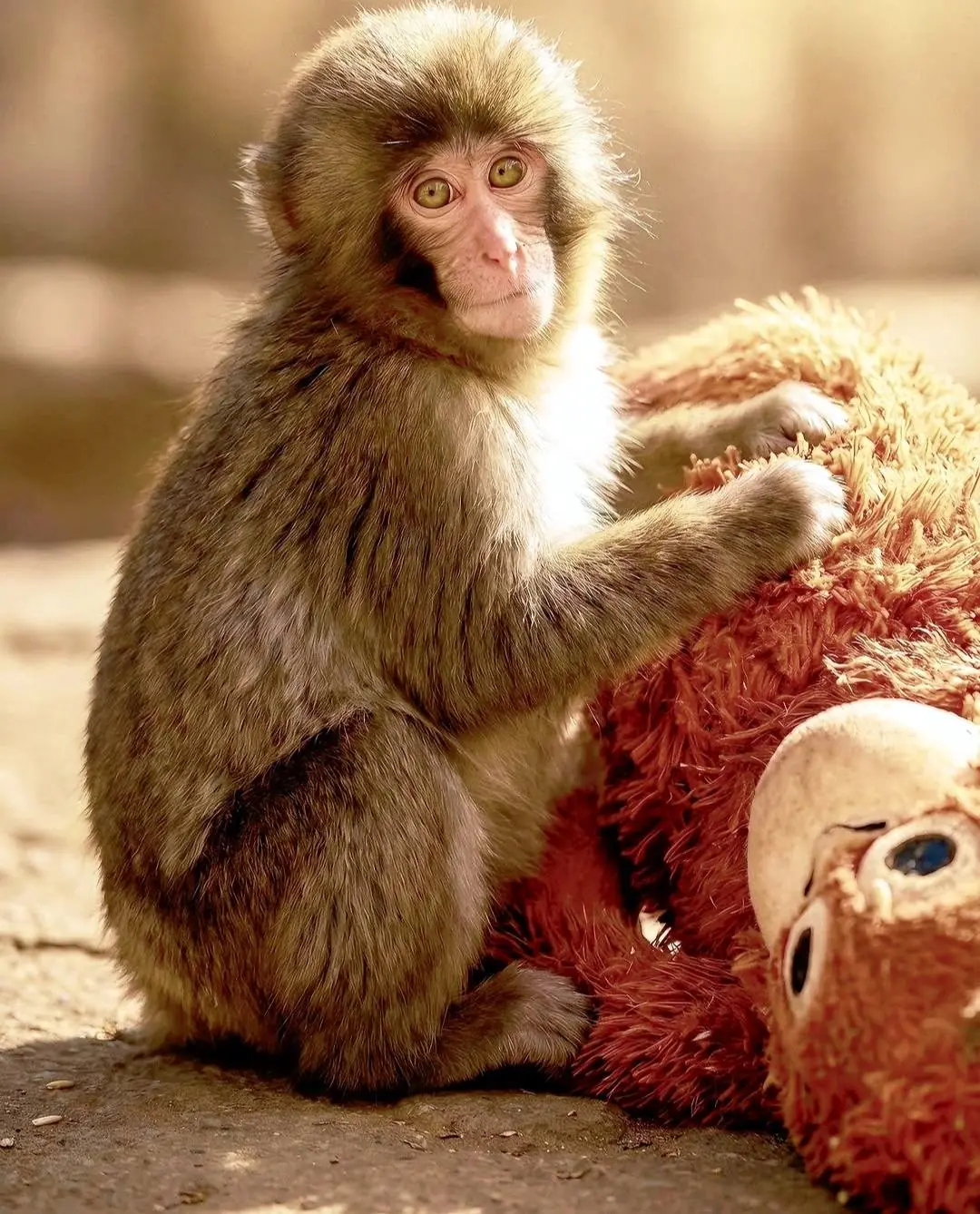
Punch, a young Japanese macaque living at Ichikawa Zoo in Japan, has captured global attention.
Videos of him:
-
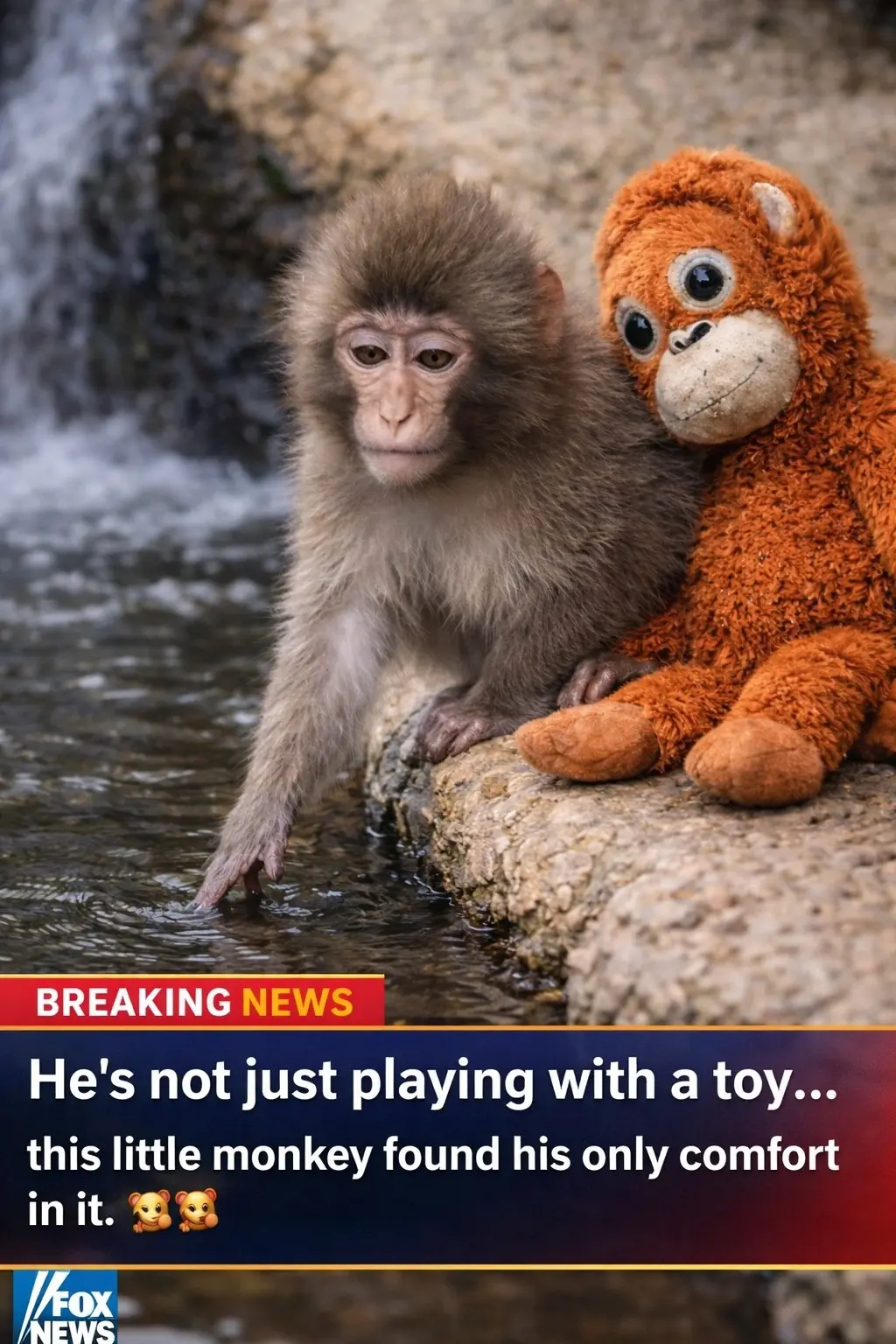
Clinging tightly to a plush toy
-
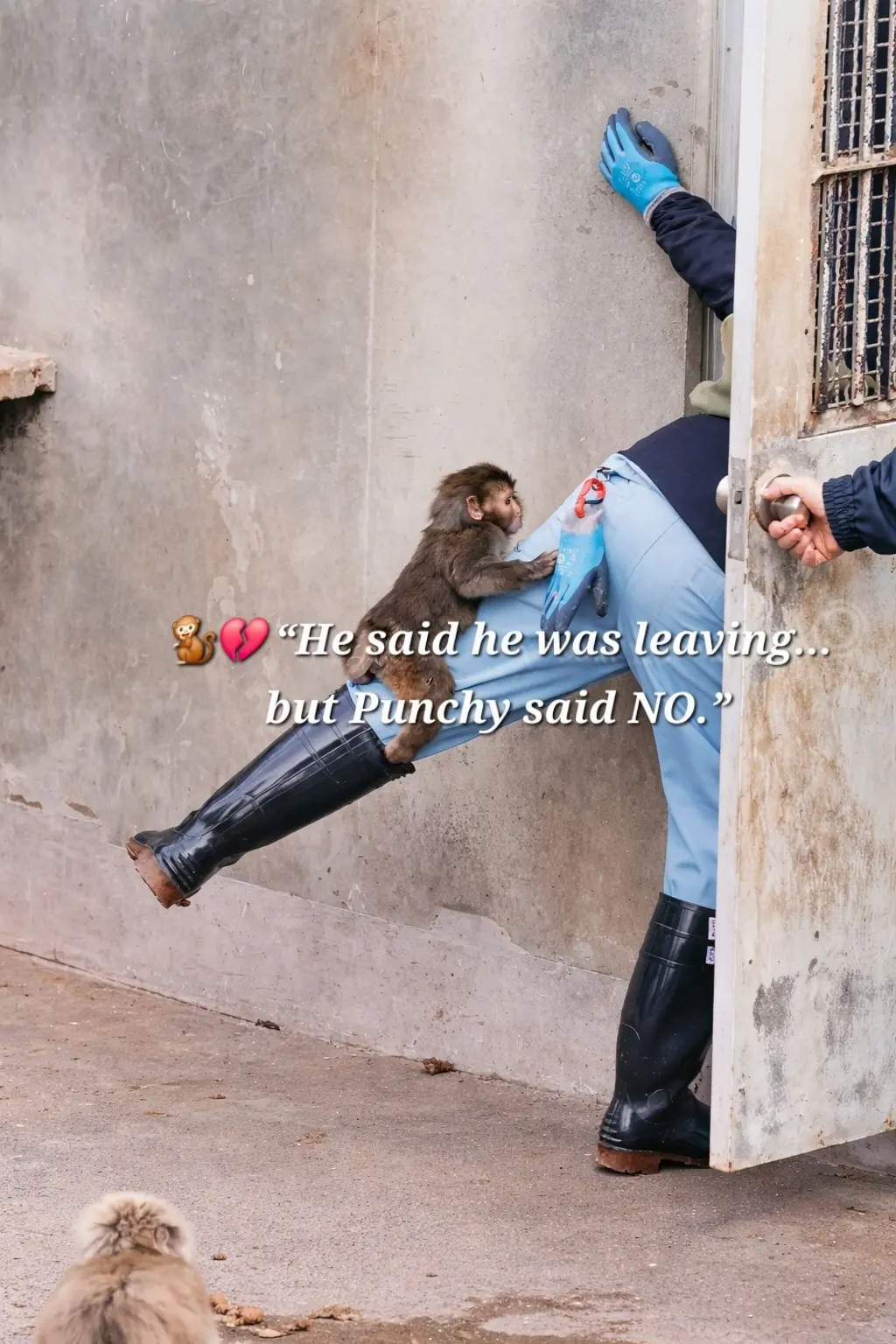
Being pushed and dragged by other monkeys
-
Struggling after being abandoned by his mother
have spread rapidly across social media.
To many viewers, Punch is:
💛 Adorable
💛 Emotional
💛 Inspiring
But not everyone sees it that way.
Why was Punch abandoned?
Punch was born in July and later rejected by his mother — a situation that raised concern worldwide.
According to experts, possible reasons include:
-
First-time motherhood (lack of experience)
-
Environmental stress, including extreme heat
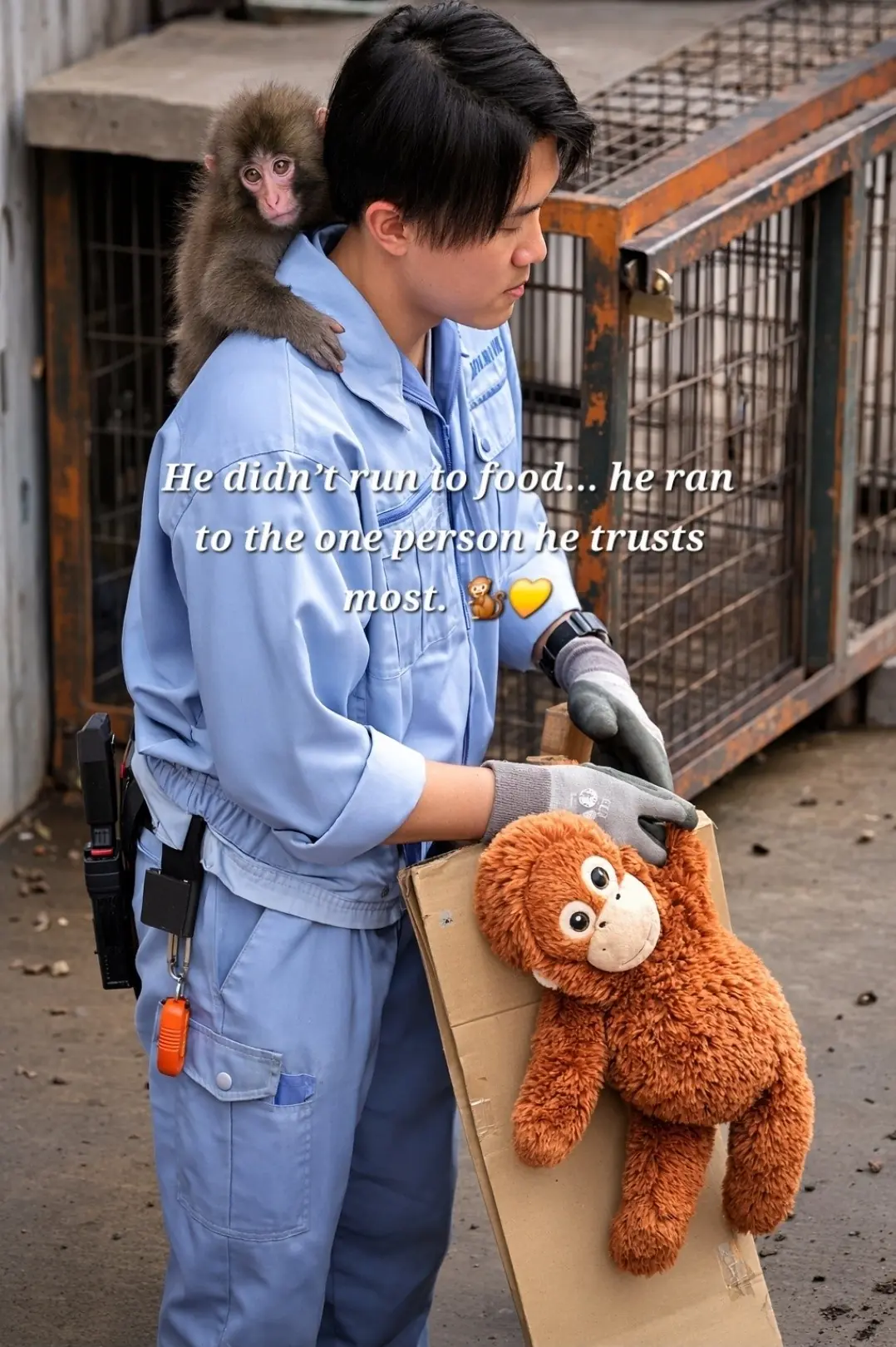
After being abandoned, zookeepers introduced a stuffed orangutan toy to help him cope and adjust to life within the group.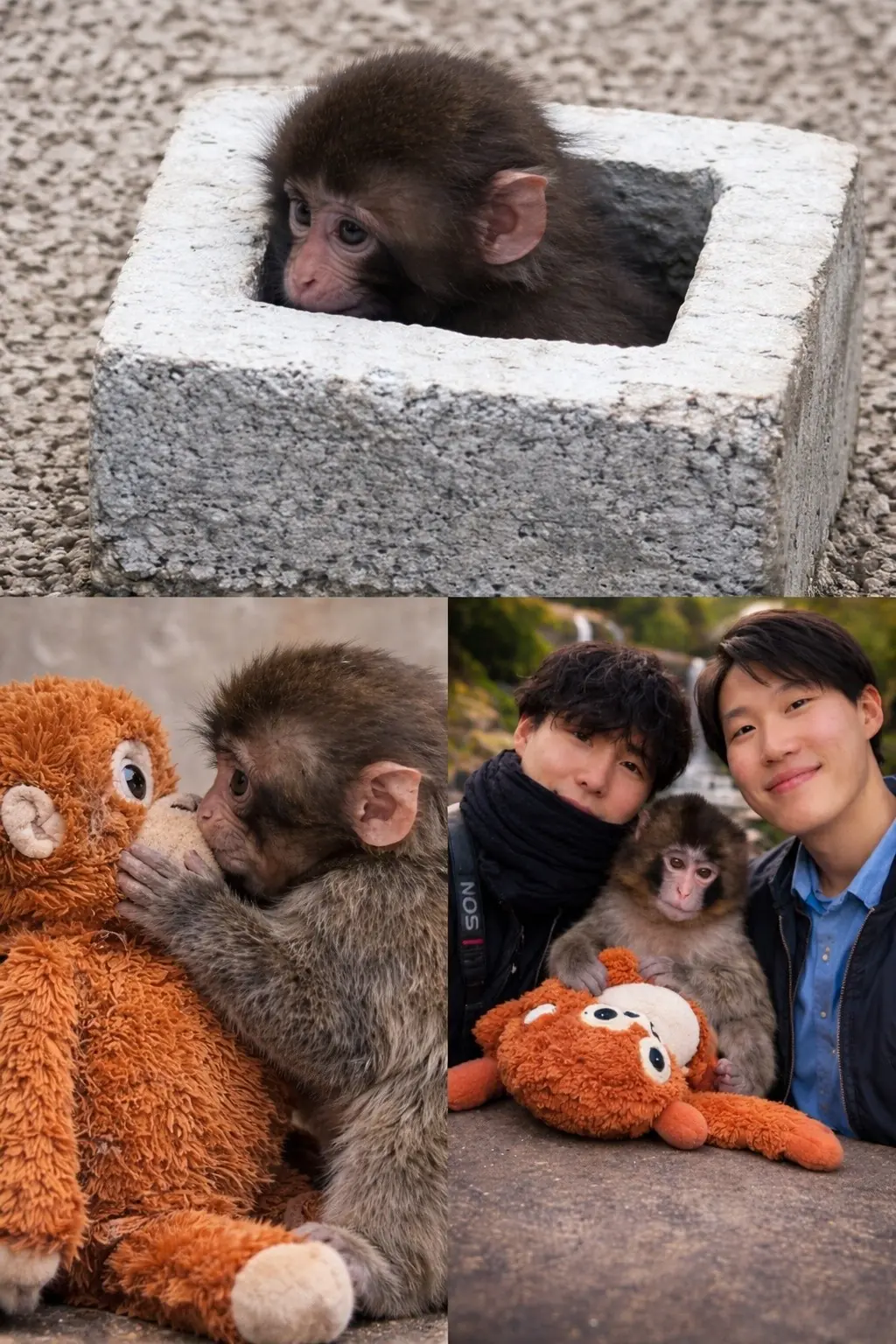
“Bullying” or normal behavior?
Viral clips show Punch being:
-
Pulled
-
Pushed
-
Dragged by other monkeys
Many viewers interpreted this as cruelty.
However, the zoo stated:
👉 These interactions are part of normal social behavior
👉 No severe aggression has been observed
They emphasized that:
-
Animal welfare remains a priority
-
Sudden environmental changes could worsen Punch’s situation
-
The goal is to help him safely integrate into the group
PETA: “This is not a cute story”
Animal rights organization PETA strongly disagrees with the public’s perception.
Jason Baker, Senior Vice President of PETA Asia, stated that what people see as “heartwarming” actually reflects:
👉 Isolation
👉 Loss
👉 Emotional distress
He emphasized:
“Zoos are not sanctuaries. They are places of confinement where animals are denied the complex environments and social structures they would have in the wild.”
A life far from nature
According to PETA, Punch should be:
-
Raised within a close family group
-
Learning essential social behaviors
-
Exploring a natural environment
Instead, they argue, he is:
👉 Seeking comfort from a toy
👉 Living in an artificial setting
👉 Lacking natural development conditions
The cycle of viral animal fame
Baker also warned about a broader issue:
👉 Viral animal stories often lead to short-lived public fascination
He referenced similar cases where animals gained attention online, only to be forgotten later.
According to PETA:
-
Viral fame does not improve animal welfare
-
It may even encourage breeding and display practices
-
Animals ultimately pay the price for human entertainment
A call for change
PETA has urged that Punch be moved to:
👉 A sanctuary environment
👉 A more natural habitat
👉 A space where he can build proper social bonds
They argue this would give him a better chance at long-term well-being.
A divided perspective
The story of Punch now sits at the center of a growing debate:
One side believes:
-
The zoo is helping Punch survive and adapt
-
The plush toy is a form of care and support
The other argues:
-
The situation reflects deeper ethical issues
-
Captivity limits natural behavior and development
Conclusion
Punch’s story is more than just a viral moment.
It raises difficult questions about:
💔 Animal welfare
💔 Human intervention
💔 The ethics of captivity
Final reflection
Is Punch’s story one of hope…
or a reminder of a system that needs change?
Perhaps it is both.
Because behind every viral “cute” moment—
👉 there may be a reality we are not ready to see.