Science Suggests Elephants’ Brains React to Humans Just Like Our Brains React to Puppies
Elephants have always felt different.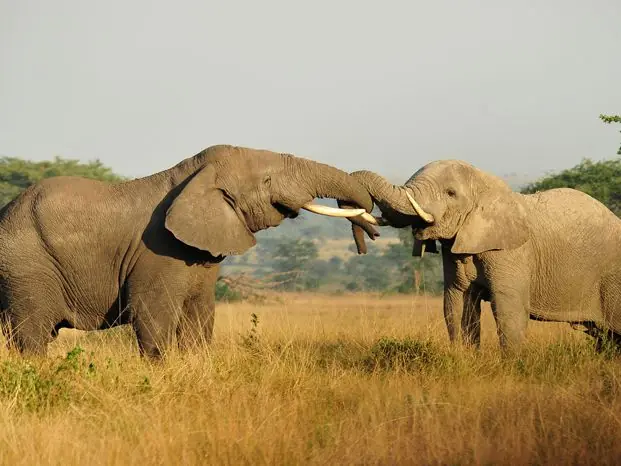
Not just large.
Not just intelligent.
But emotionally present in a way that makes people pause.
When you look into an elephant’s eyes, it can feel like something is looking back—not simply an animal, but a mind.
A being that remembers.
That feels.
That understands.
And now, science is beginning to suggest something even more surprising:
Elephants may react to humans emotionally in ways that mirror how humans react to puppies.
A soft connection.
A recognition of safety.
A response rooted not in fear or dominance…
but in care.
Elephants Are Built for Deep Emotion
Elephants are among the most socially complex animals on Earth.
They live in tight family herds, usually led by an older female matriarch.
Their relationships last decades.
They grieve.
They celebrate.
They protect their young with fierce devotion.
Researchers have long observed that elephants show behaviors that look strikingly human:
-
Mourning the dead
-
Comforting distressed herd members
-
Remembering individuals for years
-
Forming lifelong bonds
These are not cold survival machines.
Elephants live emotionally.
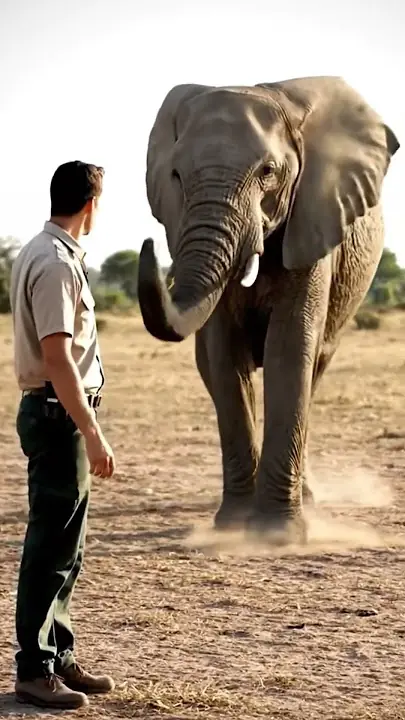
Elephants Can Recognize Humans by Voice Alone
One of the most fascinating discoveries is that elephants don’t just see humans…
They listen to us carefully.
Scientists have found that elephants can recognize human voices and respond differently depending on who is speaking.
In the wild, this matters deeply.
Some humans are dangerous.
Others are harmless.
Elephants have learned to tell the difference.
When a voice sounds threatening, elephants become:
-
Alert
-
Defensive
-
Protective of calves
-
Ready to move the herd away
But when a voice sounds calm and familiar, they often relax.
They do not simply hear noise.
They interpret meaning.
They evaluate intention.
In other words:
They are not just hearing us…
They are understanding us.
Elephant Herds Practice Emotional Care Every Day
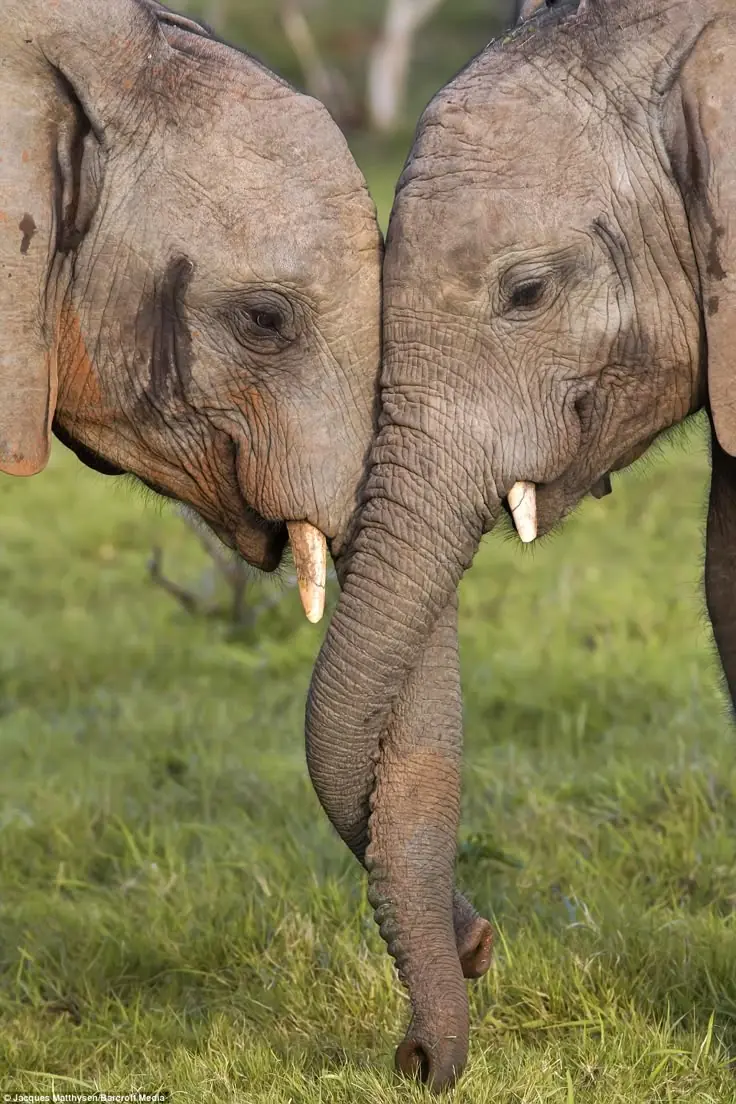
Inside elephant society, emotional support is constant.
When one elephant becomes stressed, frightened, or sad…
another often steps in.
This is where elephants become truly extraordinary.
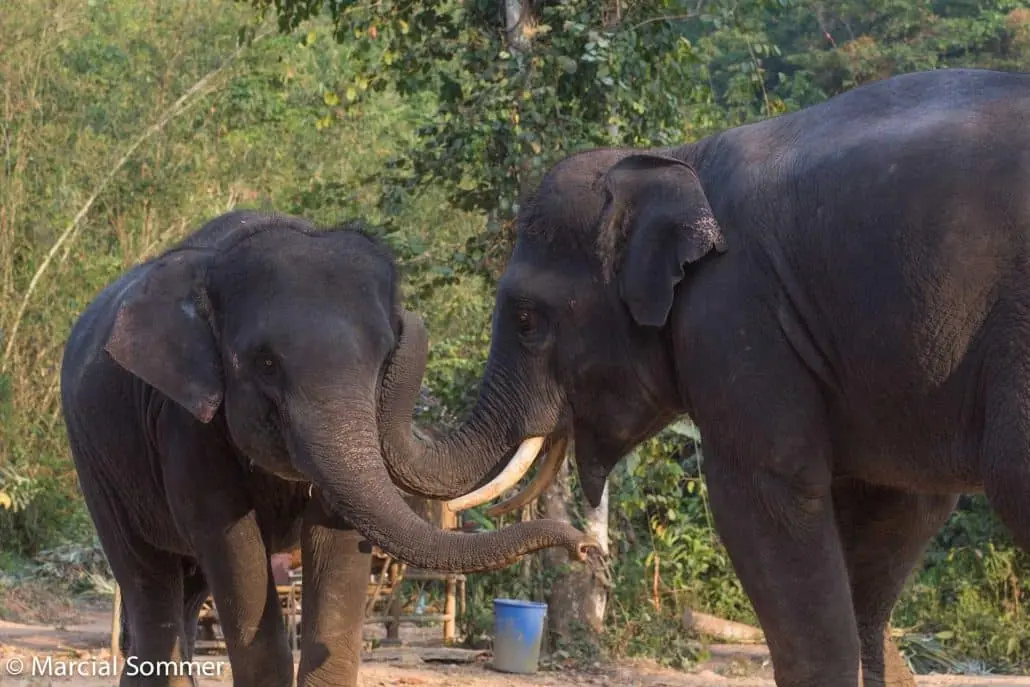
They comfort each other through gentle actions such as:
-
Touching with their trunks
-
Standing close in silence
-
Making low soothing rumbles
-
Guarding vulnerable herd members
These behaviors are not accidental.
They are deliberate.
They look like empathy.
They look like reassurance.
They look like love.
And that familiarity is powerful, because humans do the same.
We hug.
We stay close.
We speak softly.
Elephants, in their own language, do too.
The Human Brain Reacts Strongly to “Cuteness”
Now let’s shift to humans.
Science shows that when we see something small, innocent, and vulnerable—like a puppy—our brains light up.
Studies have found that “cute” images activate areas linked to:
-
Reward
-
Caregiving
-
Protection
-
Emotional warmth
That’s why puppies make people soften instantly.
We feel calmer.
More nurturing.
More gentle.
It’s biology encouraging caregiving.
A survival instinct tied to love.
So What Happens When Elephants See Humans?
Here is where the idea becomes extraordinary.
If humans are wired to respond tenderly to vulnerable animals…
could elephants be wired to respond emotionally to safe humans?
Not as predators.
Not as threats.
But as social beings.
Some researchers believe elephants may experience something similar:
A calming response when encountering humans who behave gently.
A recognition of peaceful intent.
A sense of emotional safety.
Elephants may not think humans are “cute” in the way we think puppies are…
but their brains may still react with social warmth when they meet kindness.
Two intelligent species reading each other.
Two emotional minds sensing trust.
A Meeting of Social Minds
This connection hints at something deeper:
Emotional awareness may not belong only to humans.
Elephants evolved empathy because they needed it.
A herd survives through cooperation.
Calves survive through protection.
Families survive through bonding.
Their brains are designed for relationship.
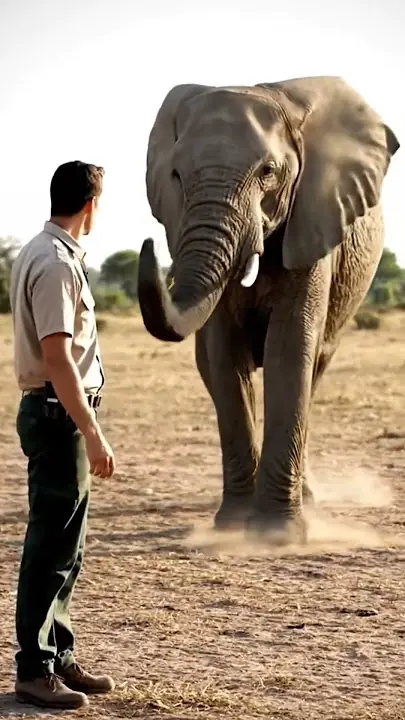
So when a respectful human approaches with calm voice and gentle presence…
the elephant may respond naturally.
Not with fear.
But with recognition.
The same way we respond to softness in a puppy…
they may respond to softness in us.
Why This Matters More Than Ever
This isn’t just a beautiful thought.
It carries responsibility.
Because elephants are still threatened worldwide by:
-
Habitat loss
-
Poaching
-
Captivity
-
Human conflict
Understanding their emotional depth makes it impossible to treat them as objects.
They are not attractions.
They are not tools.
They are feeling beings.
And if elephants can emotionally respond to us…
then our actions matter even more.
Kindness is not just ethical.
It is something they can feel.
The Gentle Truth Beneath the Science
When you connect all these facts, a powerful idea appears:
Humans and elephants may be responding to each other naturally.
Not through words.
But through emotion.
Through calm.
Through social understanding.
Two species shaped by family life.
Two brains wired for care.
Meeting, quietly, across the boundary of difference.
Conclusion: Respect Is a Shared Language
Elephants remind us that intelligence isn’t only about problem-solving.
It’s about connection.
About comfort.
About recognizing safety in another living being.
And perhaps the most moving lesson is this:
When humans approach with respect…
elephants may feel it.
Just as we feel something tender when we see a puppy.
Two social minds.
Two emotional worlds.
Touching gently.