Greek Islands Offer Free Housing and Food in Exchange for Helping Care for Rescued Cats
It sounds like something out of a movie.
A small white cottage overlooking the sea…
Fresh island air drifting through open windows…
Sunlight on quiet stone paths…
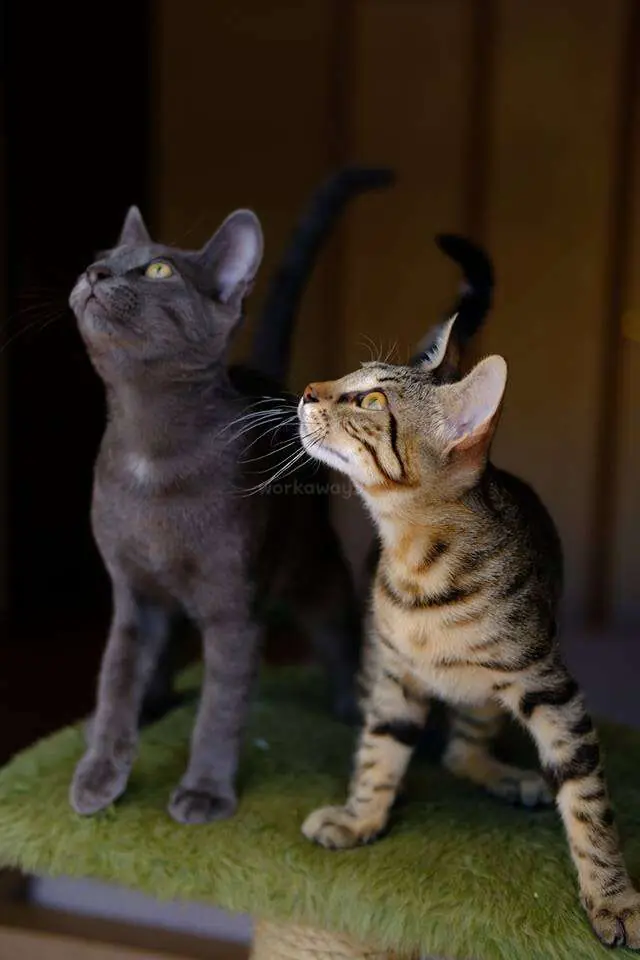
And dozens of rescued cats wandering freely, safe at last.
But this isn’t a fantasy.
This is actually happening right now on several Greek islands.
Across Greece, animal shelters overwhelmed by rising costs and endless rescues have found an unusual solution:
They open their doors to volunteers from around the world.
And in exchange for daily help caring for abandoned animals…
They offer something rare:
Free housing.
Free food.
Utilities included.
And a life surrounded by cats, community, and the Aegean Sea.
It is not luxury tourism.
It is meaningful, peaceful, and deeply human.
Why Greek Islands Are Struggling With Stray Animals
Greece is famous for its beauty:
-
Whitewashed villages
-
Blue water
-
Warm sunsets
-
Ancient ruins
But behind the postcard views is a serious reality.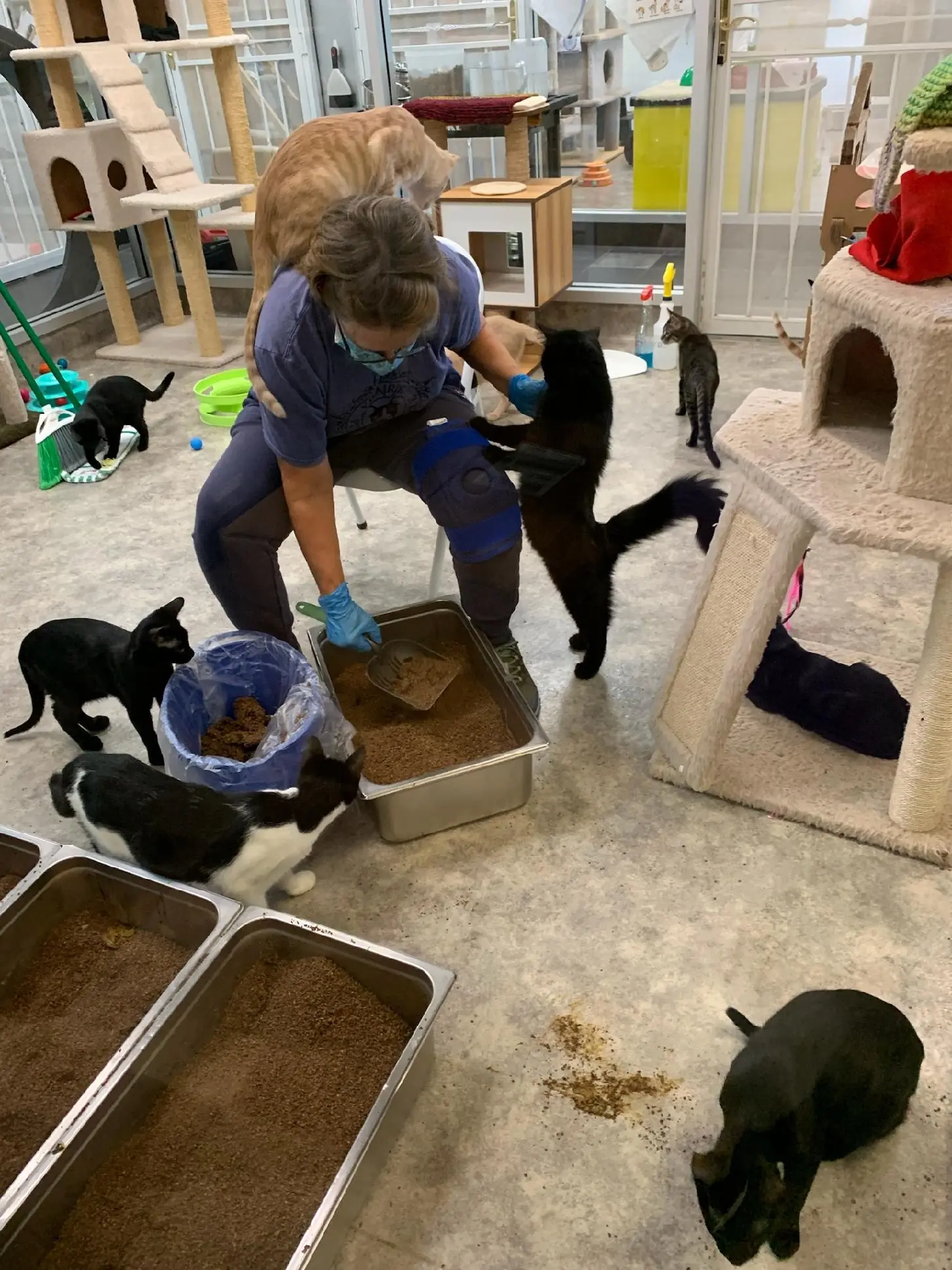
Many Greek islands face large stray animal populations, especially cats.
Cats thrive in warm climates, and over time, numbers have grown quickly.
Animal rescues are constantly working to care for:
-
Abandoned kittens
-
Injured street cats
-
Sick animals needing medicine
-
Mothers with newborn litters
-
Elderly cats with nowhere to go
The problem isn’t lack of compassion.
It’s lack of funding, space, and hands.
Small island shelters often operate on donations alone.
Food, veterinary bills, and basic care become overwhelming.
So shelters have begun offering something creative:
A volunteer-for-stay model.
A Simple Exchange: Help the Cats, Get a Home
The idea is beautifully straightforward.
Shelters provide volunteers with:
-
A private cottage or room
-
Daily meals or groceries
-
Utilities like water and electricity
-
Stunning island surroundings
In return, volunteers provide something shelters desperately need:
Time.
Care.
Consistency.
Love.
Instead of hiring staff they cannot afford, shelters rely on helpers who want a slower, more purposeful experience.
Syros Island: A Sanctuary Called “God’s Little People”
One of the most well-known examples is on the island of Syros.
God’s Little People Cat Rescue hosts over fifty rescued cats on a peaceful seaside property.
Unlike crowded cages, these cats roam freely.
They live in open spaces filled with:
-
Sunlight
-
Shade
-
Safe shelters
-
Food stations
-
Human affection
Volunteers help with daily tasks such as:
-
Feeding and refilling water
-
Giving medication when needed
-
Cleaning living areas
-
Socializing shy cats
-
Comforting newly rescued animals
The work is steady but calm.
And in return, volunteers wake up each day to the sound of waves and purring companions.
Crete: Jutta Shelter and Takis Shelter
On the larger island of Crete, similar opportunities exist.
Two well-known shelters include:
Jutta Shelter
A rescue that supports both cats and dogs, relying heavily on volunteers for daily care.
Takis Shelter
One of the most recognized animal sanctuaries in Greece, home to many rescued dogs and cats.
Helpers assist with:
-
Feeding routines
-
Basic medical support
-
Walking dogs
-
Cleaning enclosures
-
Spending time with animals that need trust rebuilt
Some volunteers come for a few weeks.
Others stay months.
Over time, they become part of the shelter family.
Not Just Cats: Donkeys and Mules on Andros
Interestingly, this volunteer model is not limited to cats.
On Andros Island, helpers can also work with rescued donkeys and mules.
These animals often come from hard labor backgrounds and need gentle care, including:
-
Feeding
-
Grooming
-
Stall cleaning
-
Daily companionship
It shows that Greece’s rescue efforts stretch beyond one species.
The islands are becoming places of healing—for animals and humans alike.
Why This Model Works
This exchange helps everyone involved.
For Shelters
-
More hands without heavy payroll costs
-
Daily care stays consistent
-
Animals receive attention, not just survival support
For Volunteers
-
Affordable living in an expensive travel world
-
A meaningful routine
-
Connection with animals and community
-
A rare break from modern stress
For the Animals
-
Safety
-
Socialization
-
Healing
-
A real chance at adoption
Instead of being forgotten strays, they become cared-for lives.
What Volunteering Is Really Like
This experience is not a vacation in the traditional sense.
It often includes:
-
Early mornings
-
Cleaning chores
-
Sick animals needing patience
-
Emotional moments
-
Responsibility every day
Volunteers must understand:
Rescue work is real work.
But many describe it as calming rather than exhausting.
Life becomes simple:
Feed.
Care.
Walk.
Comfort.
Repeat.
And slowly, trust grows between human and animal.
A Different Kind of Travel
In a world obsessed with luxury trips and fast tourism, this offers something quieter.
A different kind of richness.
Instead of resorts, you get rescue routines.
Instead of crowds, you get island stillness.
Instead of souvenirs, you leave with memories of lives you helped change.
Many volunteers say the experience feels grounding.
You are not just visiting Greece.
You are contributing to it.
Conclusion: A Life Experience Built on Compassion
Greek islands offering free housing and food for animal care may sound unreal…
But it is real.
And it is growing.
It is a reminder that sometimes the most rewarding journeys are not about comfort.
They are about purpose.
On these islands, rescued cats find safety.
Shelters find support.
And volunteers find something rare:
A peaceful life where kindness becomes the daily routine.
It raises a gentle question:
If you could spend your days by the sea helping animals who have nothing…
Would you go?