Rescued Baby Raccoons Turn Old Jeans Into Cozy Hammocks — And Their Journey To Freedom Is Even Sweeter
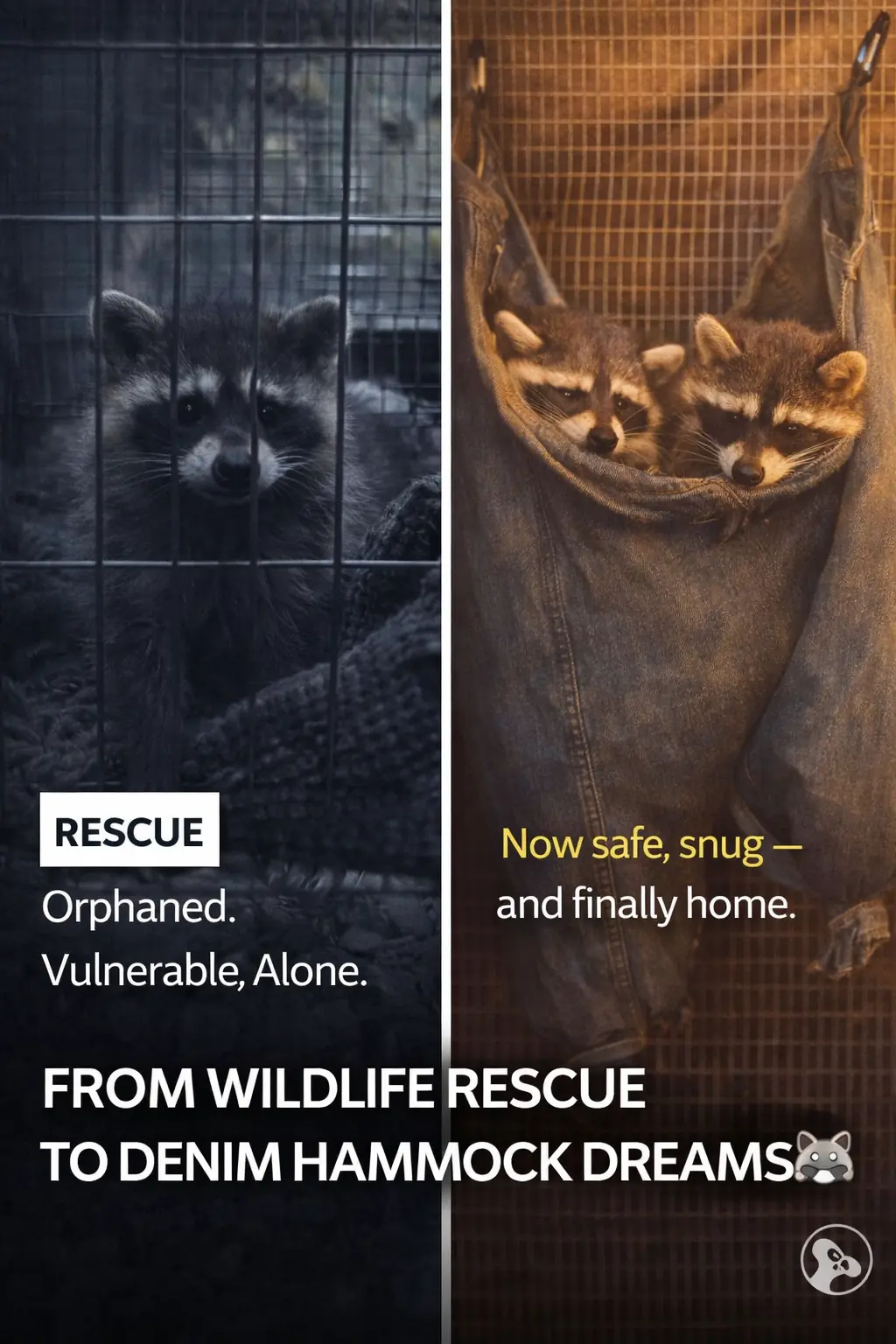
Rescued baby raccoons found comfort in the most unexpected place — a pair of old jeans turned into tiny hammocks. Discover their heartwarming journey from fragile orphans to wild and free survivors.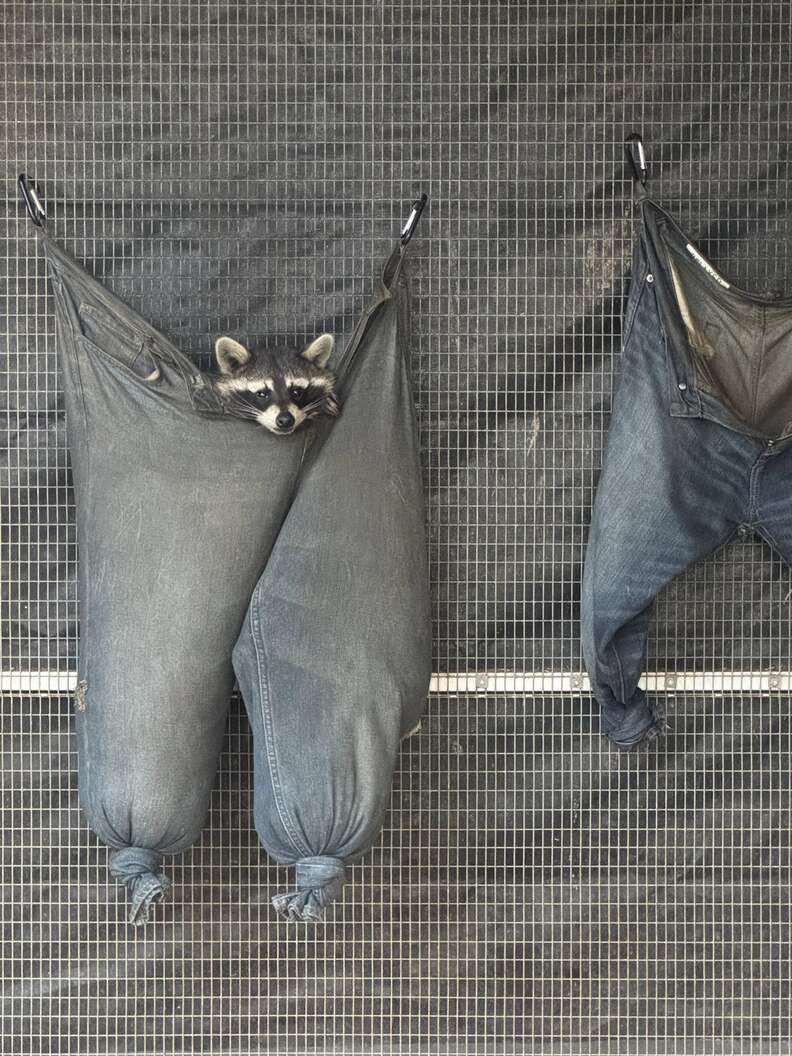
Lead (Hook – SEO Friendly)
They were barely old enough to open their eyes when they lost everything.
Tiny, fragile, and completely dependent on their mother, these baby raccoons should have been tucked safely inside a tree hollow. Instead, they were found alone — vulnerable to predators, dehydration, and the harsh unpredictability of the outside world.
But thanks to compassionate wildlife rescuers, their story didn’t end there.
It began again — inside a wildlife rehabilitation center, where something as simple as an old pair of jeans would become their favorite place in the world.
When Baby Raccoons Lose Their Mothers
In the wild, raccoon mothers are fiercely protective. They nurse, groom, and teach their babies survival skills for months. Without their mother, orphaned raccoons have very little chance of survival.
These babies were estimated to be just a few weeks old. At that age, raccoons:
-
Cannot regulate body temperature well
-
Cannot forage
-
Cannot defend themselves
-
Rely entirely on maternal care
Without immediate help, their odds were grim.
Fortunately, they were brought to licensed wildlife rehabilitators trained specifically in neonatal raccoon care.
The First Days: Warmth Before Anything Else
When orphaned wildlife arrives at a rescue center, food is not the first priority — warmth is.
Baby raccoons require constant temperature regulation. Rescuers placed them in incubators, monitored hydration levels, and provided formula feedings every few hours.
Sleep. Feed. Monitor. Repeat.
Around the clock.
And slowly — their eyes brightened.
The Denim Hammock Idea 💙
Wildlife rehabilitators know something important:
Raccoons feel safest when they’re elevated.
In the wild, they sleep in tree hollows, branches, or high nesting spots. Being off the ground makes them feel secure.
So rescuers got creative.
They took old denim jeans, tied the legs securely inside the enclosure, and created suspended hammock pockets.
The result?
Instant comfort.
The baby raccoons crawled inside, curled together, and fell asleep almost immediately.
The denim fabric mimicked the snug, enclosed feeling of a tree den. It supported their tiny bodies while allowing natural climbing behavior.
It wasn’t just adorable.
It was enrichment.
Why Enrichment Is Critical in Wildlife Rehab
Unlike domestic animals, wild raccoons cannot become dependent on humans.
Their rehabilitation must prepare them for:
-
Climbing
-
Foraging
-
Problem-solving
-
Avoiding human attachment
The denim hammocks encouraged:
✔ Natural climbing behavior
✔ Strength development
✔ Independence
✔ Social bonding between siblings
They weren’t being pampered.
They were being prepared.
Big Personalities in Tiny Bodies
As they grew stronger, their personalities exploded.
Raccoons are intelligent, mischievous, and curious animals. Soon, the quiet little babies turned into:
-
Food thieves
-
Toy wrestlers
-
Blanket climbers
-
Escape artists in training
They began exploring everything inside their enclosure.
And every night?
Back into the jean hammocks.
Their safe place.
The Hardest Part of Wildlife Rescue
Rehabilitation has one ultimate goal:
Release.
Not adoption.
Not permanent sanctuary.
Freedom.
As weeks turned into months, their diet transitioned from formula to solid foods. They learned to:
-
Dig for insects
-
Open shells
-
Climb efficiently
-
Build endurance
Human interaction was gradually reduced to prevent imprinting.
The goal was simple:
They must not need people.
The Release Day
Release days are emotional.
Rescuers carried transport crates into a wooded area — safe, protected habitat far from heavy traffic.
The crate doors opened.
And without hesitation…
They ran.
No looking back.
No confusion.
Just instinct.
They disappeared into the trees as if they had never spent a single night in denim hammocks.
And that’s how you know rehabilitation worked.
Why Stories Like This Matter
Wildlife rescue is often misunderstood.
People see cute photos and think it's about cuddling animals.
It’s not.
It’s about:
-
Temporary protection
-
Medical stabilization
-
Behavioral preservation
-
Returning animals to the ecosystem
Those old jeans?
They weren’t just adorable props.
They were tools.
Tools that gave orphaned raccoons a fighting chance at becoming wild again.
How You Can Help Wildlife
If you find orphaned wildlife:
-
Do not attempt to raise them yourself.
-
Contact licensed wildlife rehabilitators.
-
Avoid excessive handling.
Wild animals belong in the wild.
And sometimes, helping them means letting them go.
Final Thoughts
From fragile orphans to confident climbers.
From wire enclosures to forest freedom.
From cold floors to denim hammocks.
These baby raccoons remind us that rescue isn’t about keeping animals close.
It’s about giving them the strength to run away.
And that’s the most beautiful ending of all. 🦝💚