Puppies Dumped By Breeder Because They Couldn’t Walk Are Now Running Again

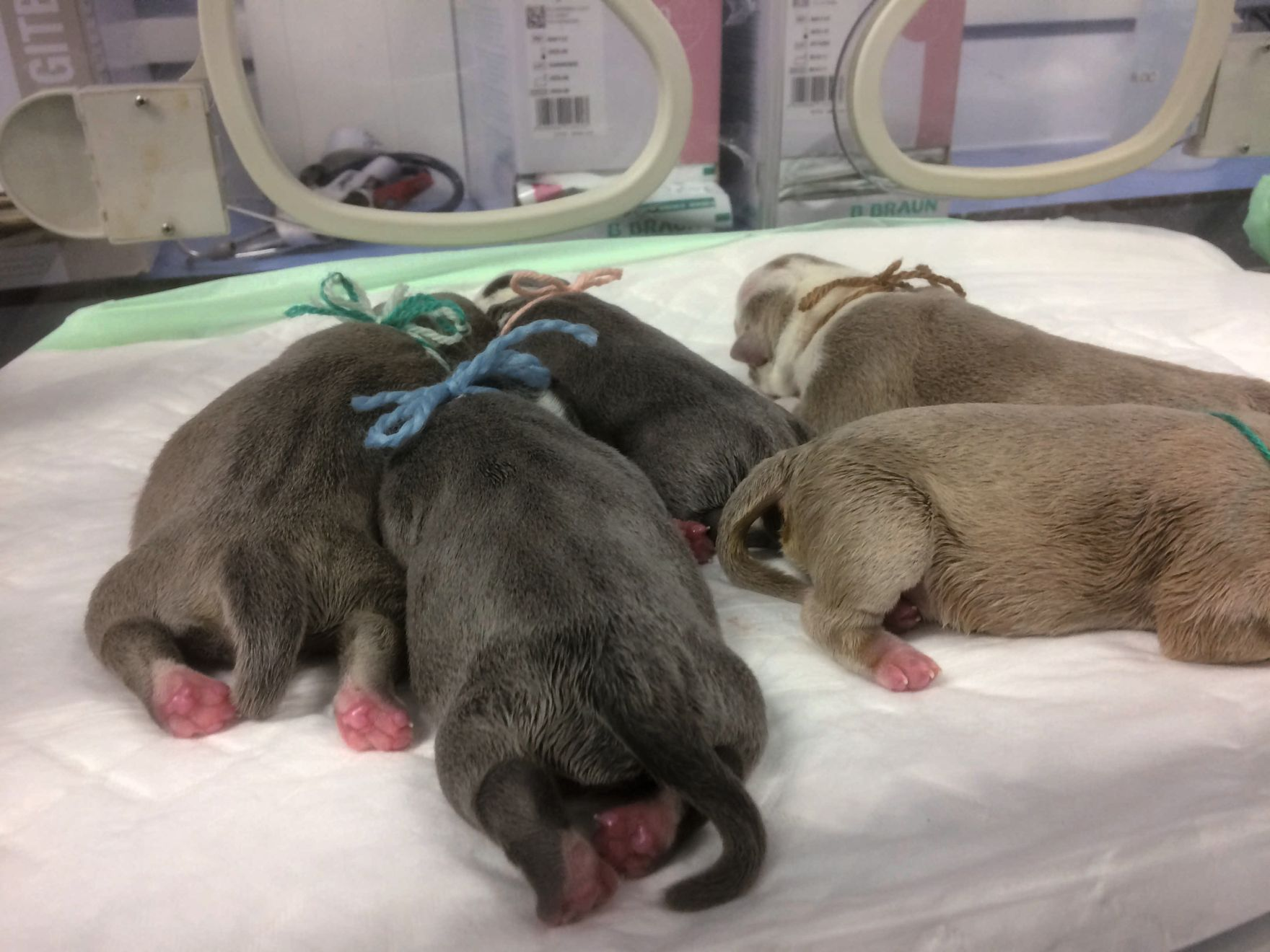
Puppies Dumped By Breeder Because They Couldn’t Walk Are Now Running Like Nothing Ever Held Them Back
They were thrown away before they even had a chance to try.
When these tiny puppies were dropped off at a shelter, they weren’t bouncing, wagging, or tumbling over each other like most litters. They were barely moving at all.
The breeder who surrendered them had already decided they weren’t worth the effort.
They couldn’t walk.
But what happened next would completely rewrite their story.
Abandoned For A Condition They Didn’t Choose
The puppies were just weeks old when they were brought to the shelter. According to staff, the breeder claimed they had mobility issues and “weren’t developing properly.”
Instead of seeking veterinary care or rehabilitation, the decision was simple:
Get rid of them.
Shelter workers immediately noticed something wasn’t right. The puppies struggled to stand. Their legs wobbled underneath them. Some dragged themselves forward instead of walking.
But despite their physical limitations, they did something powerful.
They wagged their tails.
Even then.
The Diagnosis: Why They Couldn’t Walk
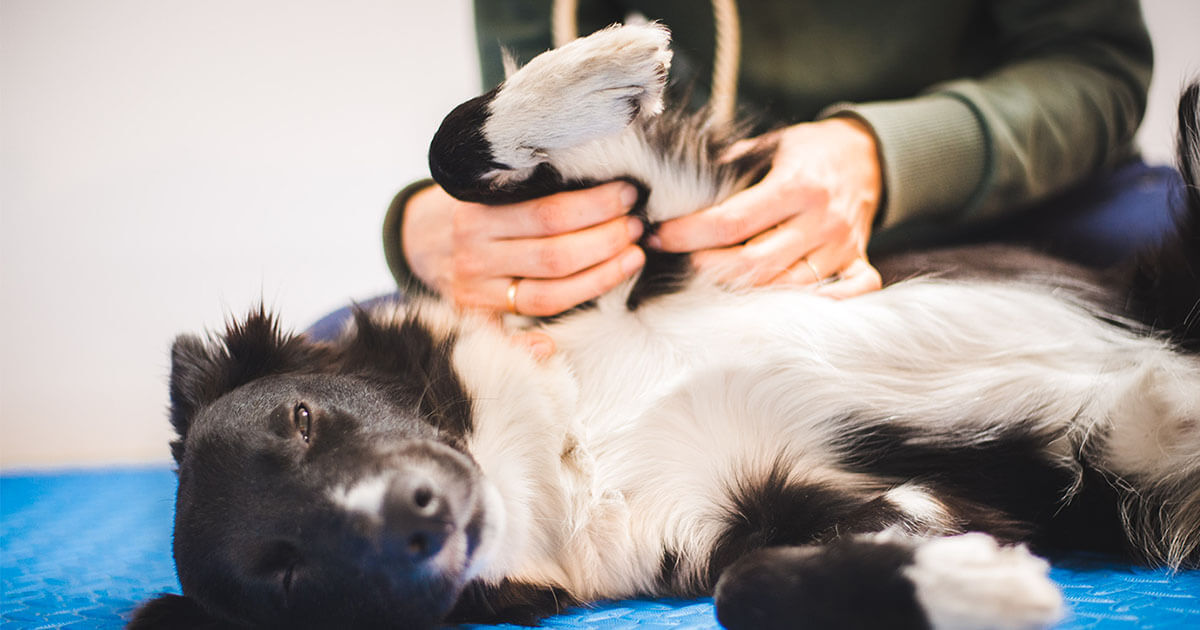
Veterinarians examined the puppies and determined they were suffering from early neurological and muscular developmental delays — conditions that can sometimes improve dramatically with therapy, proper nutrition, and time.
In many breeding environments, animals with medical needs are often viewed as financial losses.
But at the shelter, they were seen differently.
They were patients.
They were babies.
They were worth saving.
Around-The-Clock Care
The puppies were placed on a structured rehabilitation plan that included:
-
Physical therapy exercises
-
Hydrotherapy to build muscle strength
-
Assisted standing sessions
-
Nutritional support
-
Gentle massage therapy
Volunteers rotated shifts to help them practice standing multiple times a day.
At first, progress was painfully slow.
Some days, they collapsed after just a few seconds upright.
But the staff refused to give up.
The First Step
It happened quietly.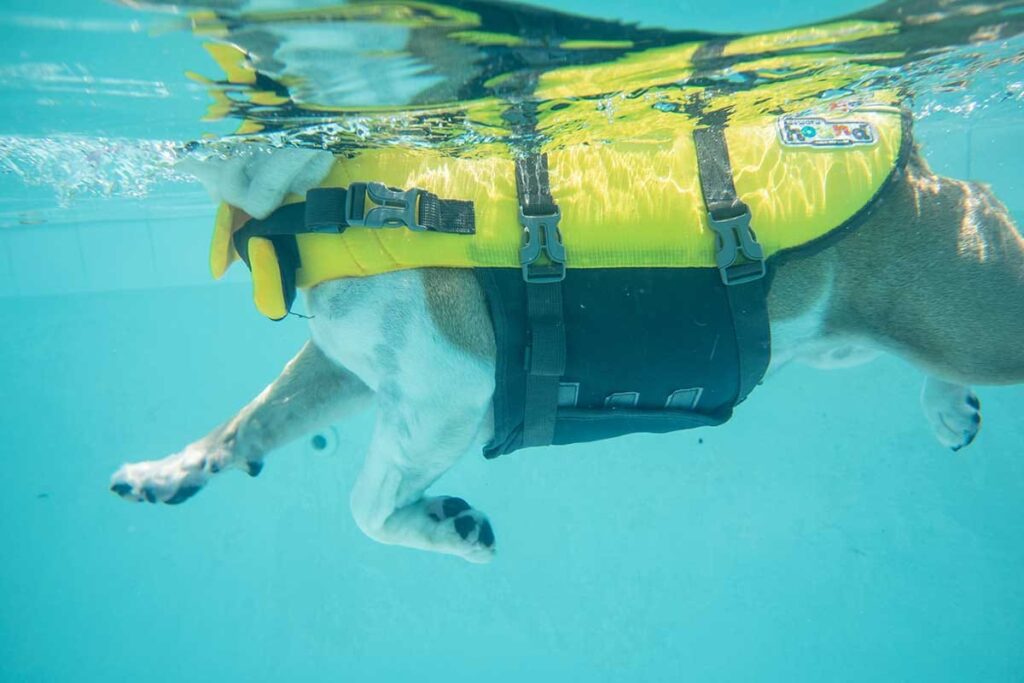
One of the puppies managed to hold himself up for a few seconds longer than usual. Then he shifted his weight forward.
One shaky step.
Then another.
Within days, small, awkward movements became short bursts of walking.
And soon…
They were chasing each other.
From Dragging To Sprinting
Weeks later, the transformation was undeniable.
The same puppies who once struggled to stand were now running across the yard. Tails high. Tongues out. Energy exploding in every direction.
Shelter staff captured the moment on video — and many admitted they cried watching it back.
Because what people often misunderstand about rescue animals is this:
They don’t know they were “discarded.”
They only know who shows up next.
The Reality Of Breeder Surrenders
While this story has a hopeful ending, it highlights a difficult reality.
When animals are bred for profit, medical conditions can sometimes mean they are viewed as defective inventory rather than living beings.
Shelters across the country report receiving surrendered puppies due to:
-
Minor disabilities
-
Developmental delays
-
Cosmetic differences
-
Unexpected veterinary costs
Many of these conditions are treatable or manageable.
But they require time.
And patience.
And compassion.
Why Early Intervention Matters

Veterinary experts emphasize that many mobility issues in puppies can improve significantly with early rehabilitation.
The first few weeks of life are critical for muscle and neurological development. With proper support, outcomes can change dramatically.
These puppies are living proof.
Had they been euthanized or neglected, they may never have developed the strength to walk.
Instead, they were given space to try.
The Emotional Power Of Second Chances
There is something deeply moving about watching an animal overcome something it never chose.
These puppies didn’t understand why they were left behind.
They didn’t question why their bodies felt weak.
They simply tried again every day.
Their resilience became contagious.
Volunteers describe feeling renewed hope each time they witnessed progress.
It reminded them why rescue work matters.
Running Toward A New Life
Today, the puppies are no longer defined by their early diagnosis.
They run.
They tumble.
They wrestle like any other litter.
Potential adopters have already begun submitting applications, many inspired by the puppies’ journey.
And while they may never know the exact moment their lives changed, it happened the day someone decided they were worth the effort.
More Than A Happy Ending
This story isn’t just about recovery.
It’s about perspective.
About how quickly one environment can discard what another chooses to nurture.
About how disabilities do not determine destiny.
And about how sometimes, the only difference between “hopeless” and “thriving” is time.
They Were Never Broken
In the end, these puppies weren’t defective.
They weren’t flawed.
They weren’t failures.
They were simply babies who needed support.
Now, when they sprint across the grass, it’s hard to imagine there was ever a moment they couldn’t move.
But that moment makes this one even sweeter.
Because nothing ever truly held them back.