Hawaii Locals Outraged After Tourist Allegedly Harasses Endangered Monk Seal
Hawaii Locals Outraged After Tourist Allegedly Harasses Endangered Monk Seal
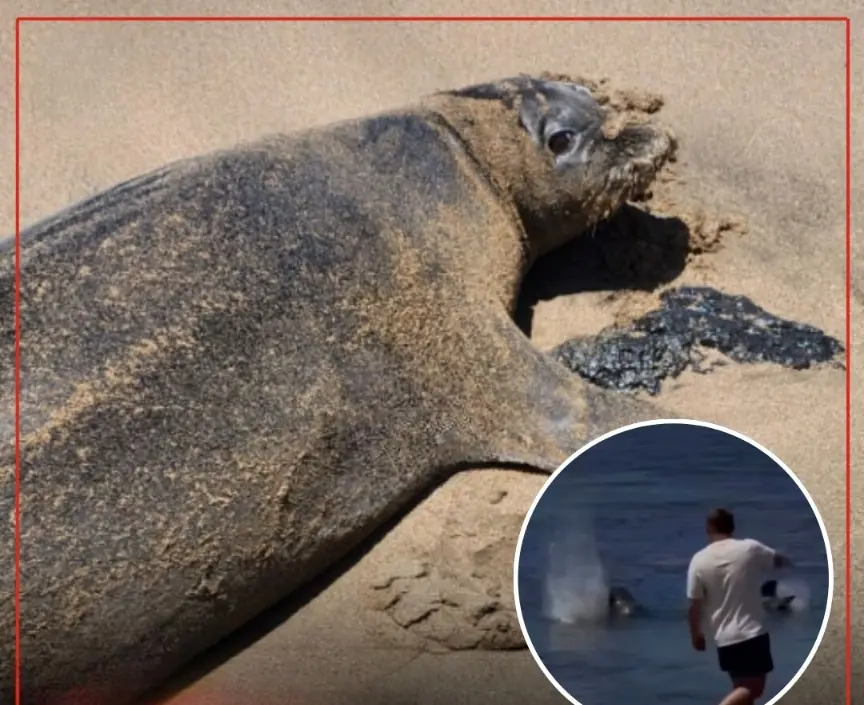
A shocking incident involving an endangered Hawaiian monk seal has sparked outrage across Hawaii after videos and photos surfaced online showing a tourist allegedly approaching and disturbing the protected marine animal near a local beach. Residents, wildlife advocates, and conservation officials are now speaking out, calling the behavior reckless, disrespectful, and potentially dangerous for one of the rarest seal species on Earth.
The disturbing encounter reportedly occurred on a Hawaiian shoreline where a monk seal had hauled itself onto the sand to rest peacefully under the sun. Witnesses say beachgoers had already given the animal plenty of space, understanding the importance of protecting the endangered species. But tensions quickly rose when one tourist allegedly ignored warnings and moved dangerously close to the seal.
According to eyewitness accounts shared online, the individual appeared to approach the animal repeatedly, causing visible distress. Videos circulating on social media allegedly show the seal becoming agitated as the person entered its space near the waterline.
For many locals, the scene was deeply upsetting.
Hawaiian monk seals are not just another tourist attraction. They are considered sacred by many residents and play a vital role in Hawaii’s fragile marine ecosystem. With only around 1,500 Hawaiian monk seals remaining in the wild, every single interaction matters.
Conservation groups immediately condemned the incident, emphasizing that monk seals are federally protected under both the Endangered Species Act and the Marine Mammal Protection Act. Harassing, touching, chasing, or disturbing them can lead to serious legal consequences, including hefty fines.
But beyond the legal issues, many Hawaiians say the situation reflects a larger problem: tourists treating wildlife as entertainment rather than respecting the islands and their natural inhabitants.
“This isn’t a photo prop. This is a living endangered animal,” one local commenter wrote online.
Another resident added, “People come here for paradise but forget they’re visitors in someone else’s home — including the animals’ home.”
The emotional reaction online was immediate.
Thousands of users flooded social media with angry comments defending the monk seal and criticizing irresponsible tourist behavior. Wildlife organizations also used the moment to educate the public about proper seal safety guidelines.
Experts explain that monk seals often come ashore simply to rest. Although they may appear calm or sleepy, approaching them can trigger stress or defensive behavior. Seals are wild animals capable of biting if they feel threatened, especially mothers protecting pups.
Officials generally recommend staying at least 50 feet away from monk seals at all times. In many areas across Hawaii, volunteers and conservation teams even place warning signs or protective barriers around resting seals to prevent disturbances.


 7
7
Wildlife advocates say repeated human harassment can have devastating consequences for endangered marine species. Stress caused by close human interaction may interrupt resting patterns, nursing behavior, or feeding habits. In some cases, animals may even abandon areas they once considered safe.
For Hawaiian monk seals, every survival challenge matters.
The species has faced decades of threats including habitat loss, ocean pollution, entanglement in fishing gear, disease, shark predation, and climate-related ecosystem changes. Conservation efforts over the years have helped stabilize parts of the population, but experts warn the species remains extremely vulnerable.
That is why many residents reacted so strongly to the viral incident.
To locals, protecting monk seals is about more than wildlife preservation. It is about respecting Hawaii itself.
Native Hawaiian culture carries deep connections to the ocean and marine life. Many residents view the careless treatment of wildlife as disrespectful not only to nature, but also to the cultural values of the islands.
“This is why locals get frustrated,” one Hawaii resident commented online. “People want the beauty of Hawaii without respecting the responsibility that comes with it.”
Others pointed out that social media culture may also contribute to these dangerous encounters. Wildlife experts increasingly warn that tourists chasing viral photos and close-up videos often ignore safety rules for the sake of online attention.
Unfortunately, similar incidents have occurred before.
Over recent years, Hawaiian officials have repeatedly reminded visitors not to approach sea turtles, dolphins, monk seals, or other protected wildlife. Yet videos continue to emerge showing people swimming too close, touching animals, or attempting selfies beside endangered species.
Marine conservationists hope this latest controversy serves as another wake-up call.
“Admire wildlife from a distance,” one rescue organization posted. “If your presence changes the animal’s behavior, you are too close.”
The monk seal involved in the incident was reportedly monitored afterward to ensure it was not injured or excessively stressed. Fortunately, no serious physical harm was immediately reported. However, the emotional reaction from the public demonstrates how strongly many communities feel about protecting these rare animals.
For Hawaii residents, monk seals represent resilience, survival, and the natural spirit of the islands themselves.
Seeing one resting peacefully on a beach is considered a special experience — not an invitation to invade its space.
As the story continues spreading online, many people are now calling for stronger enforcement, increased tourist education, and harsher penalties for wildlife harassment. Conservation groups also encourage visitors to learn local wildlife rules before entering beaches or marine areas.
Because in places like Hawaii, respecting nature is not optional.
It is part of being a responsible guest.
The viral images of the endangered monk seal have become more than just another internet controversy. They are a reminder that human curiosity should never outweigh an animal’s right to safety and peace.
And for many locals, the message is simple:
Protect the seals. Respect the islands. Keep your distance.