Canadian Dogs Attend Daily Daycare School So They Are Never Home Alone
In some parts of Canada, mornings don’t begin with silence.
 They begin with paws tapping on the floor…
tails wagging at the door…
and a kind of excitement that looks surprisingly familiar.
Because in busy Canadian cities, many dogs now start their day the same way children do:
They wait for the bus.
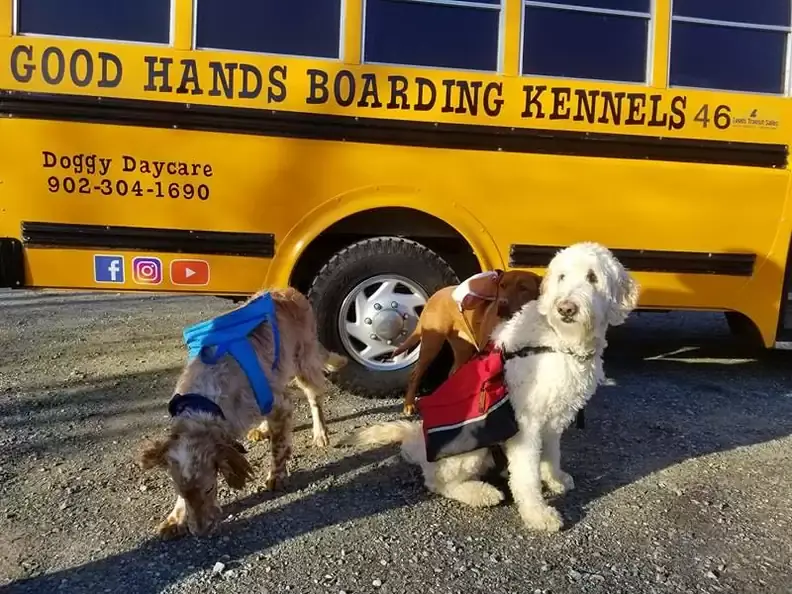
A small vehicle pulls up outside the house.
The door opens.
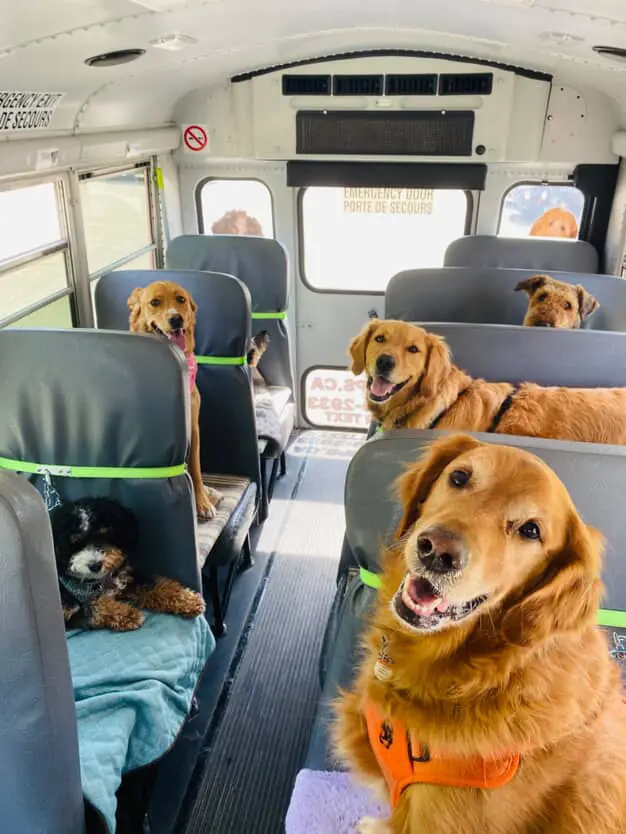
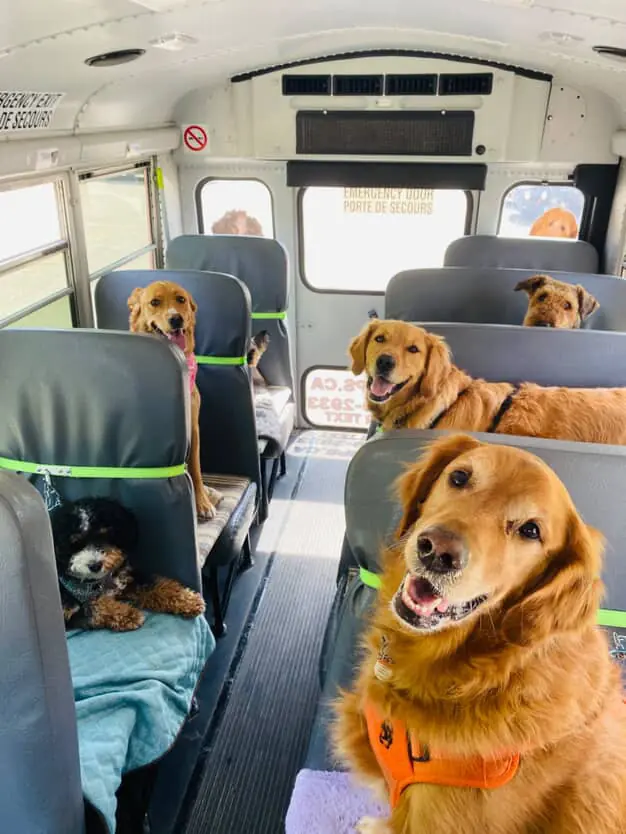
And one by one, eager dogs hop inside like students heading to school.
This is not a joke or a rare novelty.
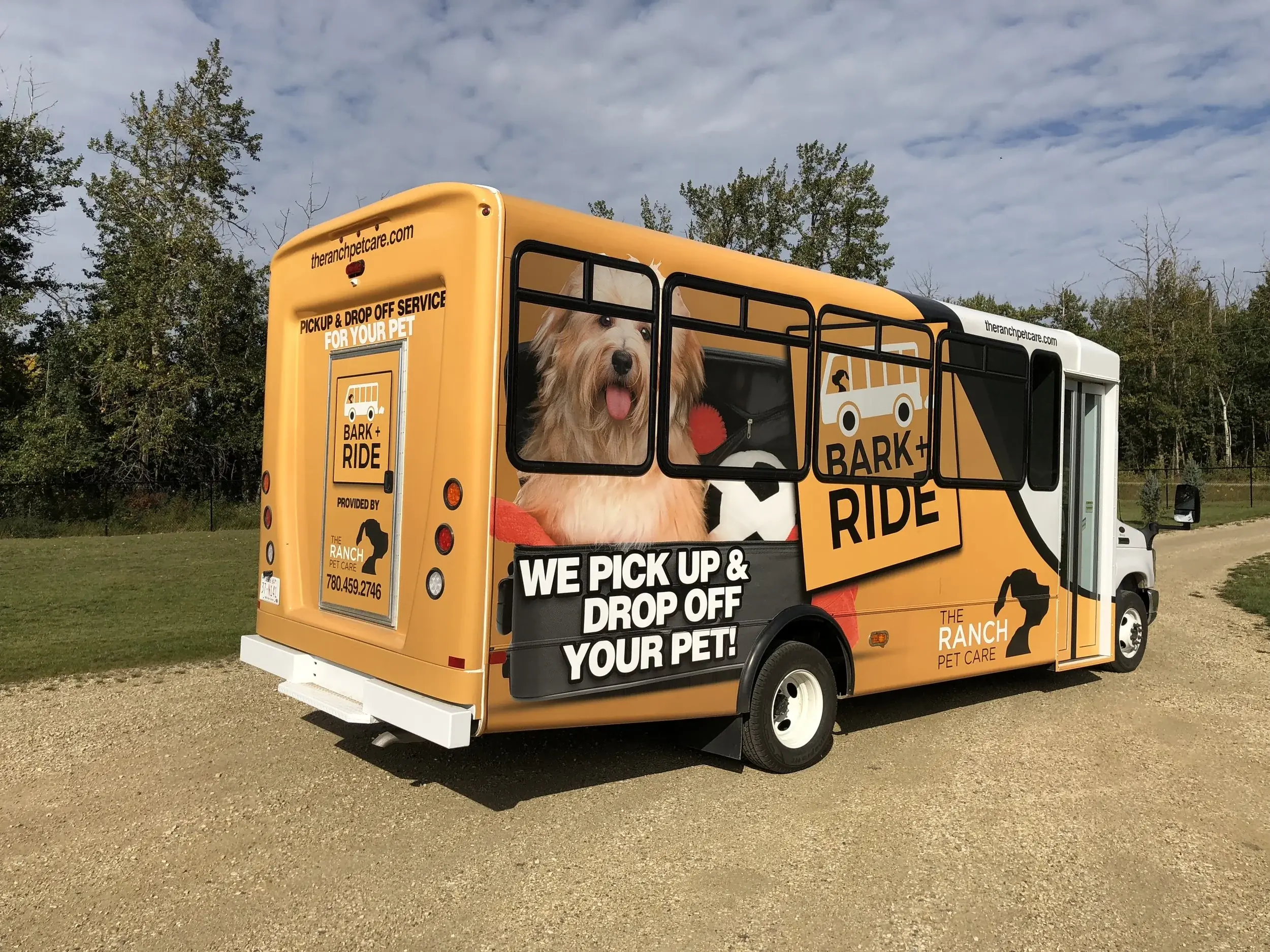
Dog daycare “school bus” services are becoming a real routine for modern pet owners who don’t want their dogs spending long days alone.
And for many dogs, it is changing everything.
A New Reality: Dogs Are Home Alone Too Often
Modern life has shifted.
Many people work:
-
Full-time jobs
-
Long commutes
-
Double shifts
-
Busy urban schedules
And while humans adapt to routines outside the home…
dogs often do not.
For countless pets, the day looks like this:
Morning goodbye.
Hours of silence.
No stimulation.
No movement.
No companionship.
Then finally, evening.
Even the most loving owners cannot always be there during the day.
And that leaves many dogs struggling with:
-
Loneliness
-
Boredom
-
Separation anxiety
-
Destructive behaviors
-
Stress-related barking
Dogs are social animals.
They were never meant to spend eight to ten hours isolated.
So Canadians found an unexpected solution:
If dogs can’t stay home all day…
Why not send them to school?
The Rise of Dog Daycare “School Bus” Services
In cities like Calgary, Toronto, and the Kitchener–Waterloo area, dog daycare transportation has become increasingly popular.
Companies now offer daily pickup and drop-off services designed exactly like a school routine.
The system is simple:
-
Morning pickup at home
-
Transport to a daycare center
-
Full day of supervised activity
-
Afternoon return home
For owners, it feels like arranging childcare.
For dogs, it feels like an adventure.
Instead of watching the clock alone…
they get a full day of engagement.
What a Dog’s “School Day” Looks Like

Once the dogs arrive at daycare, the day is carefully structured.
This isn’t chaotic free-for-all play.
Most centers operate with trained staff, safety rules, and enrichment schedules.
A typical daycare day includes:
Supervised Social Play
Dogs interact with others in controlled groups based on size, temperament, and energy level.
This helps them learn:
-
Social cues
-
Confidence
-
Healthy boundaries
Outdoor Walks and Fresh Air
Dogs get multiple breaks outside for movement, sniffing, and exploration.
Enrichment Games
Many daycare centers provide mental stimulation through:
-
Puzzle toys
-
Treat-based challenges
-
Training reinforcement
-
Sensory activities
Rest and Quiet Time
Just like children, dogs need breaks.
Nap periods prevent overstimulation and allow calmer dogs to relax.
By the end of the day, many dogs are happily tired in the best way.
Why This Routine Helps Dogs Emotionally
Dog daycare isn’t only about fun.
For many pets, it is emotional support.
Dogs that struggle with separation anxiety often benefit from:
-
Predictable structure
-
Constant companionship
-
Reduced isolation
-
Increased exercise
Instead of spending the day anxious at the window…
they spend it playing, resting, learning, and socializing.
Owners often report that daycare dogs come home:
-
Calmer
-
Happier
-
Less destructive
-
More balanced
It’s not just a luxury.
For some dogs, it’s life-changing.
Why Owners Love It Too
For working professionals, dog daycare transport removes one of the biggest challenges:
Time.
Instead of rushing home at lunch or worrying all day…
owners can relax knowing their dog is safe and cared for.
The benefits include:
-
No guilt about leaving the dog alone
-
Better dog behavior at home
-
Peace of mind during work hours
-
A healthier daily routine for the pet
Many owners describe it as the dog equivalent of a healthy social life.
Is It Safe to Put Dogs on a “School Bus”?
It’s a fair question.
Trusting someone to pick up your dog is a big step.
Reputable services focus heavily on safety, including:
-
Secure vehicle crates or harness systems
-
Trained handlers
-
Controlled pickup routes
-
Careful dog group matching
-
Emergency protocols
Still, it requires research.
Not every dog is suited for daycare transport.
Dogs that may struggle include:
-
Highly reactive dogs
-
Very elderly dogs
-
Dogs with medical issues
-
Dogs overwhelmed by groups
The best services offer trial days and temperament assessments.
A Sign of How Society Treats Pets Today
This growing trend reflects something deeper.
Dogs are no longer seen as backyard animals.
They are family.
And just like children, they need:
-
Stimulation
-
Connection
-
Routine
-
Care beyond basic feeding
The fact that cities now have dog buses and daycare schedules shows how much human-animal relationships have evolved.
We are building lives that include them, not just accommodate them.
Conclusion: Would You Trust a School Bus Routine for Your Dog?
The idea of dogs riding a bus to daycare might sound unusual at first.
But for many Canadian pets, it has become normal.
Instead of lonely hours at home…
they get community.
Instead of boredom…
they get enrichment.
Instead of waiting…
they get a full day of living.
It raises a simple but meaningful question:
In a world where people are busier than ever…
could this be one of the kindest ways to make sure our dogs are never left behind?
So, would you trust a school bus-style daycare service for your dog’s daily routine?