Why Animal Abuse Continues to Spark Calls for Stronger Laws
A Trust That Animals Cannot Explain
An animal does not understand why someone would intentionally hurt it.
For most animals that live close to humans, trust is instinctive. They approach people expecting protection, safety, and care. Domesticated animals especially have spent generations living alongside humans, depending on them for food, shelter, and comfort.
That trust is what makes cruelty toward animals so disturbing for many people.
When an animal is harmed by the very person it depends on, the betrayal feels particularly painful. The animal cannot understand the reason behind the violence. It simply experiences fear and suffering.
For animal lovers, this vulnerability is exactly why cruelty against animals feels so deeply wrong.
Why Animal Cruelty Feels So Disturbing
Many people consider abuse toward animals to be one of the most troubling forms of violence.
Animals cannot explain their pain. They cannot ask for help or defend themselves in ways humans can. Their safety depends entirely on the people responsible for their care.
Because of this imbalance of power, acts of cruelty are often seen not only as harm toward animals but also as a reflection of deeper issues related to empathy and responsibility.
For those who care deeply about animal welfare, protecting animals is a basic moral duty. They believe society has an obligation to ensure that animals are treated with respect and compassion.
This belief has fueled growing discussions about how strongly animal abuse should be punished.
Calls for Stronger Penalties
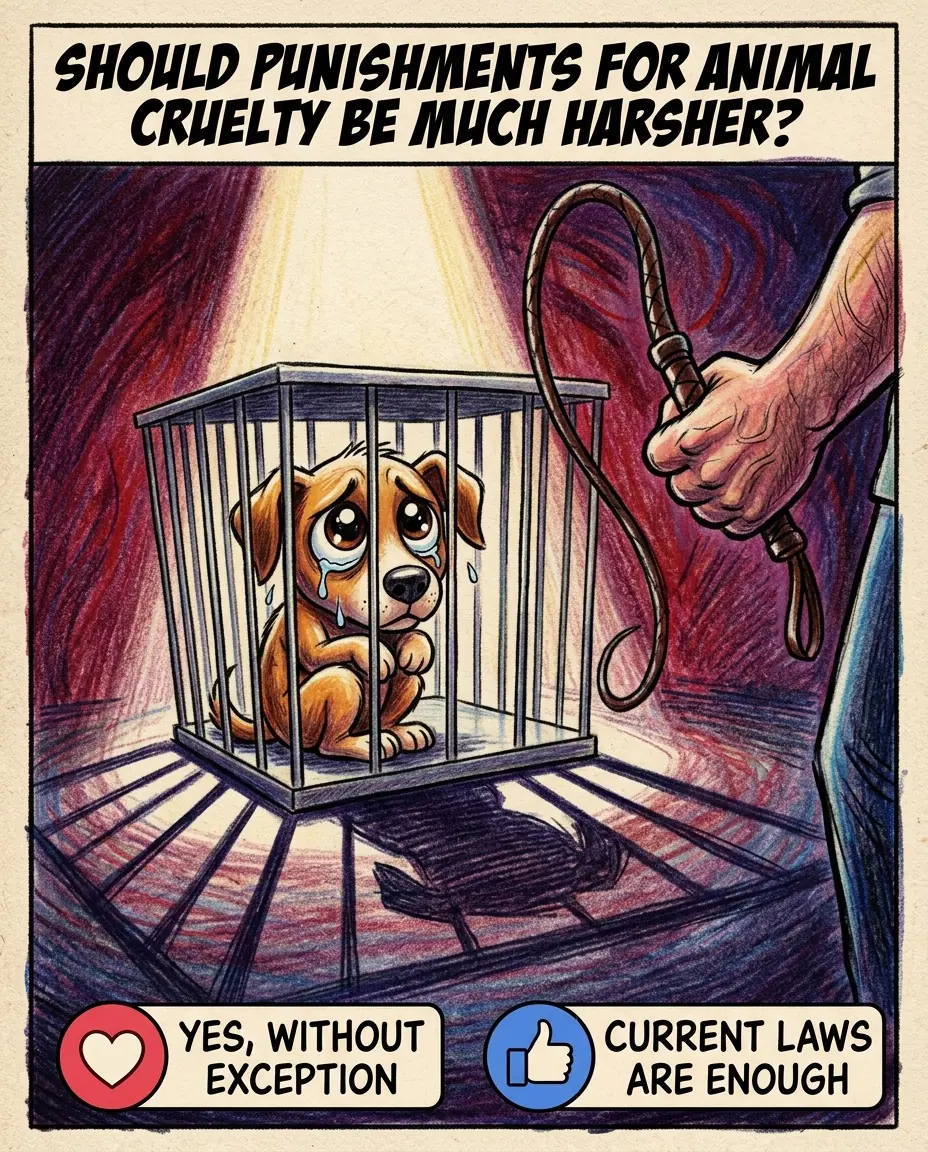
In recent years, many advocates have argued that penalties for animal abuse should be significantly stricter.
Supporters of tougher laws believe that harsher punishments would send a clear message: cruelty toward animals is unacceptable and will carry serious consequences.
They argue that stronger legal penalties could act as a deterrent, preventing future cases of abuse by making the risks more severe for offenders.
Animal welfare organizations often emphasize that stricter laws could also help authorities intervene earlier in situations where animals are suffering.
From this perspective, stronger penalties are not only about punishment but also about prevention.
The Argument for Better Enforcement
Not everyone believes that new laws are the answer.
Some experts argue that existing animal protection laws are already strong enough in many places. The real problem, they say, is inconsistent enforcement.
In many cases, animal abuse reports go uninvestigated or lead to minimal legal consequences because resources are limited or cases are difficult to prove.
From this viewpoint, improving enforcement may be more effective than introducing new legislation.
Better training for law enforcement, clearer reporting systems, and stronger cooperation with animal welfare organizations could help ensure that existing laws are applied more consistently.
A Debate That Reflects Changing Attitudes
The discussion about animal cruelty laws has continued for years, and it reflects a broader shift in how society views animals.
In the past, animals were often seen primarily as property or working companions. Today, many people view them as sentient beings capable of feeling fear, stress, and comfort.
This shift has influenced public attitudes toward animal welfare.
More communities now support stricter regulations, improved living conditions for animals, and greater accountability for those who mistreat them.
The ongoing debate about legal penalties shows that animal welfare has become an increasingly important social issue.
A Shared Responsibility
Despite disagreements about legal solutions, most people share one fundamental belief.
Animals cannot defend themselves.
They cannot report abuse, ask for protection, or explain their suffering. Their safety depends entirely on the humans who care for them and the systems designed to protect them.
Because of this, many believe that protecting animals is a responsibility that belongs to society as a whole.
Whether through stronger laws, better enforcement, or increased awareness, the goal remains the same.
To ensure that the trust animals place in humans is never met with cruelty, but with the protection and care they depend on.