Rare Polka-Dot Zebra Spotted in Kenya Leaves Wildlife Experts Astonished
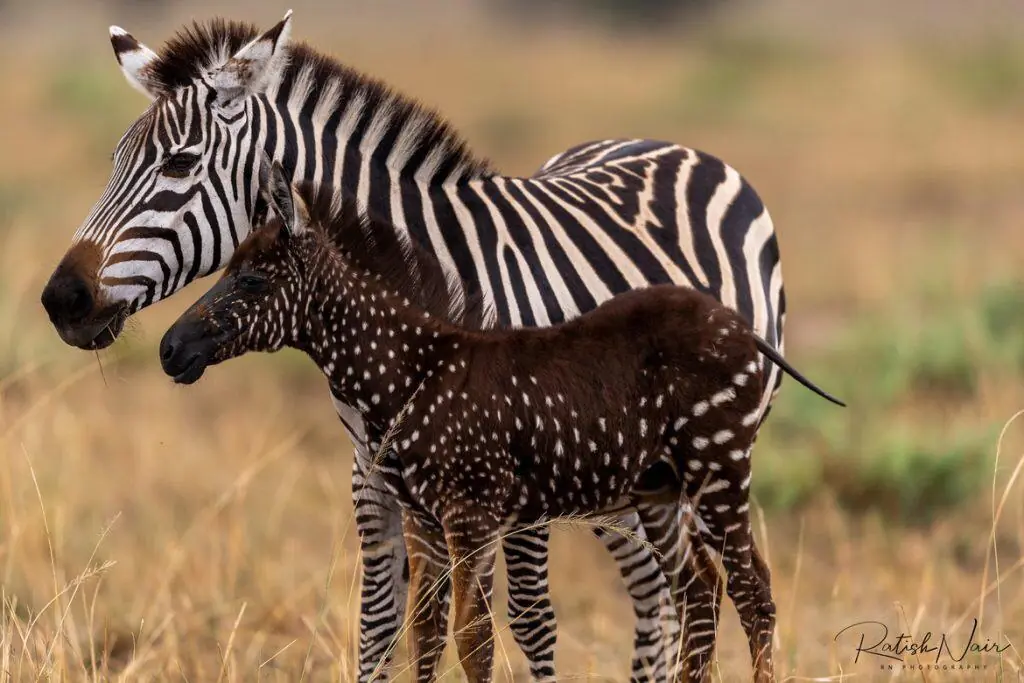
Wildlife researchers in Kenya were left stunned after images surfaced of an unusually patterned zebra foal covered in white polka dots instead of the species’ iconic black-and-white stripes.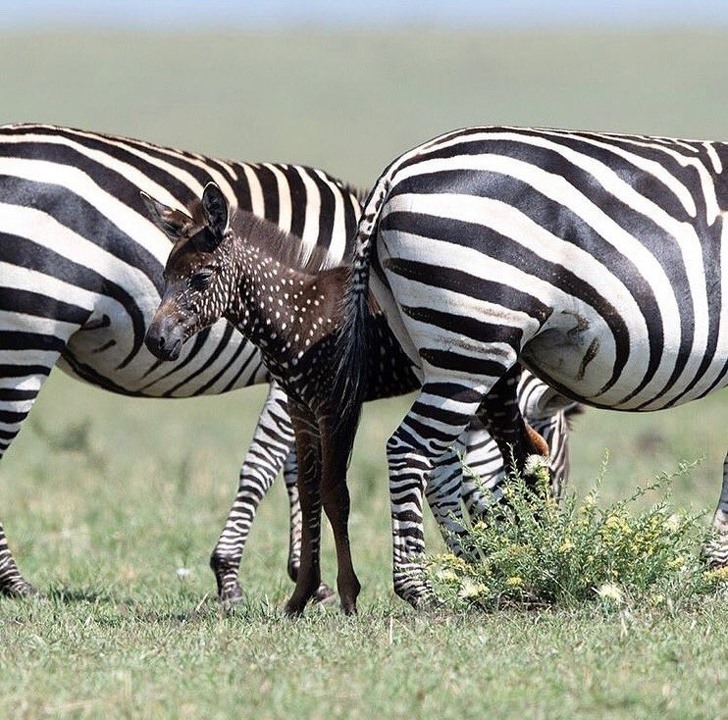
The rare sighting quickly captured global attention, as zebras are known for their distinctive stripe patterns — no two exactly alike. However, this young foal appeared to display a dramatically altered coat pattern, with dark fur dotted by bright white spots.
What Causes the Unusual Pattern?
Experts believe the striking appearance may be the result of a genetic condition known as pseudomelanism — a rare pigmentation mutation that disrupts normal stripe formation.
In typical zebras, stripes develop due to the controlled distribution of melanin during embryonic growth. When this process is altered, the result can be unusual variations in color and pattern.
While rare, similar cases have been documented in East Africa in recent years. Scientists stress that such mutations are natural and occur sporadically in wild populations.
Why Zebra Stripes Matter
Zebra stripes are not just visually distinctive — they serve important biological functions. Research suggests stripes may help:
-
Deter biting insects
-
Regulate body temperature
-
Confuse predators during group movement
-
Aid in social recognition within herds
A foal with an atypical coat pattern could potentially face different survival challenges, particularly if its camouflage is affected.
A Sign of Genetic Diversity
Despite the unusual appearance, wildlife specialists note that such rare variations highlight the genetic diversity present within wild populations.
“Nature occasionally produces surprises,” one conservationist commented. “These rare individuals remind us how complex and fascinating wildlife biology truly is.”
The foal was reportedly observed alongside its mother and appeared healthy at the time of documentation. Conservation groups continue to monitor zebra populations across Kenya, where habitat protection remains critical to long-term survival.
While rare coat patterns may capture headlines, experts emphasize that protecting ecosystems and reducing human-wildlife conflict remain the most urgent priorities.
For now, the spotted zebra stands as a striking reminder that even among one of the world’s most recognizable animals, nature still has the power to surprise.