Understanding Animal Pain: What Punchy’s Stillness Reveals About Heavy Emotions
We often see animals through a simple lens:
They eat.
They sleep.
They play.
They survive.
But behind those eyes… there is something more.
A growing body of scientific research suggests that animals — especially primates — possess rich emotional lives, shaped by connection, loss, and memory.
And sometimes, those emotions become too heavy to express.
The story of Punchy — a small, fragile monkey sitting silently in his enclosure — has become a powerful reminder:
👉 Not all pain is loud.
👉 Not all suffering looks like struggle.
Sometimes… it looks like stillness.
1. When Silence Is Not Peace


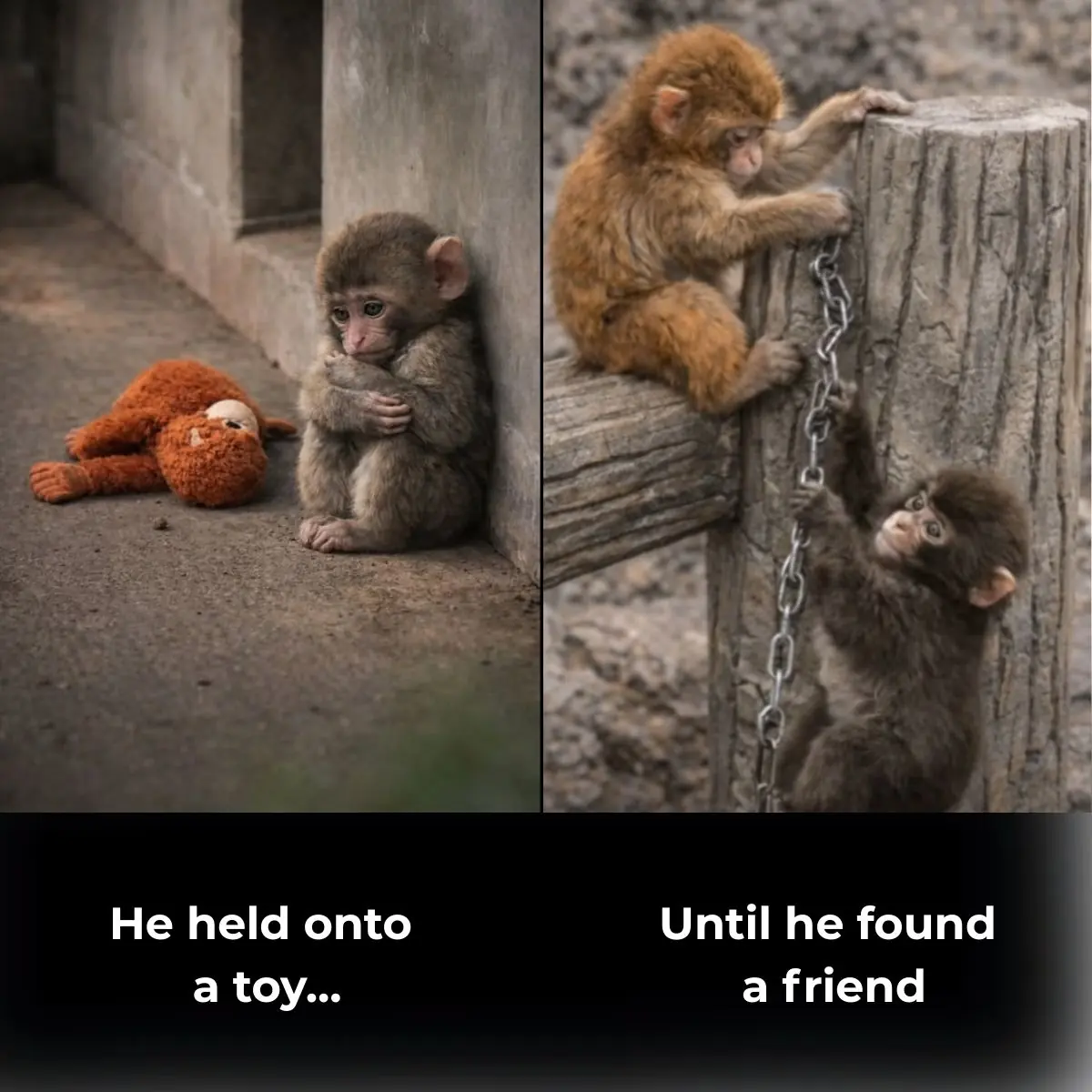
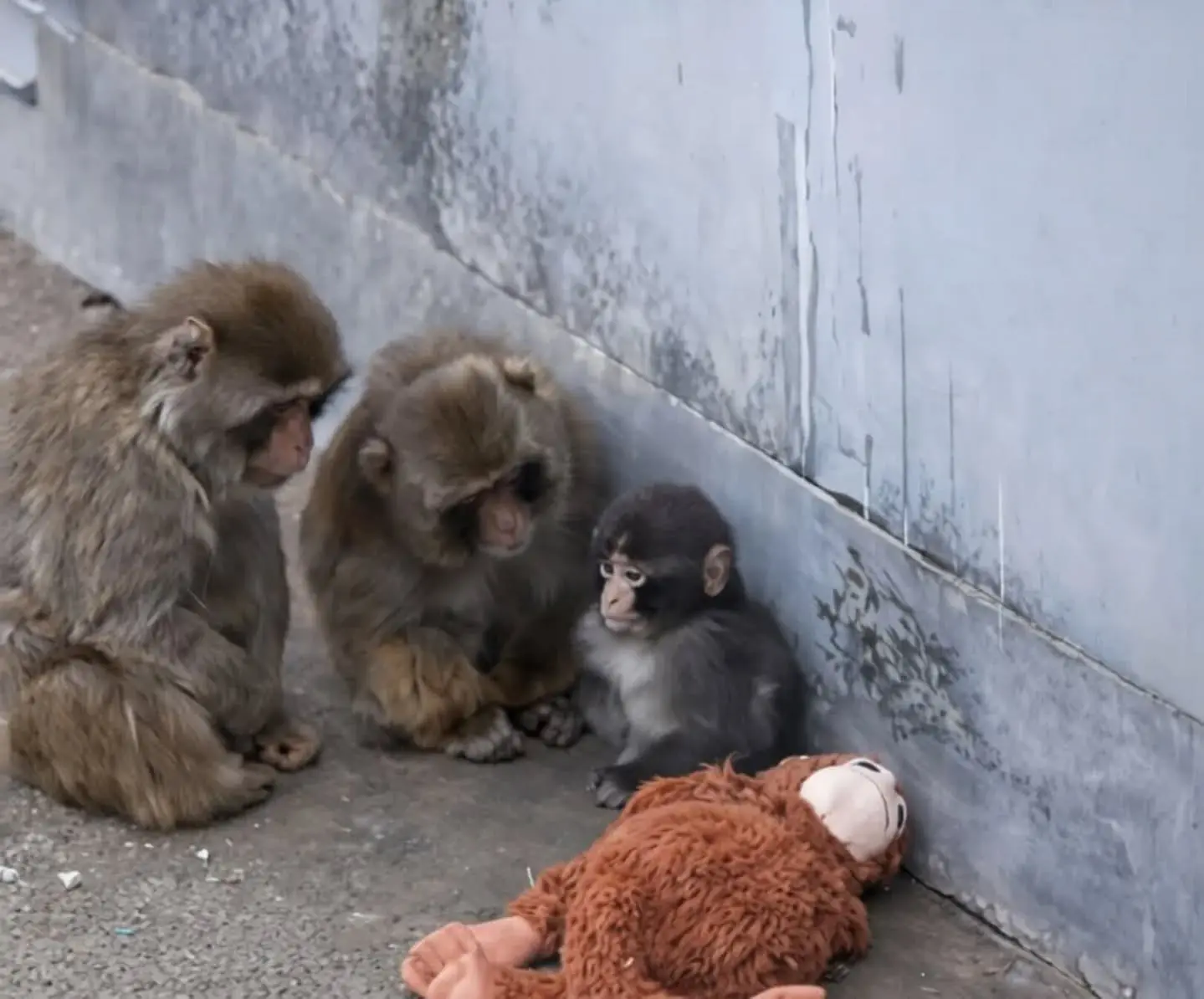
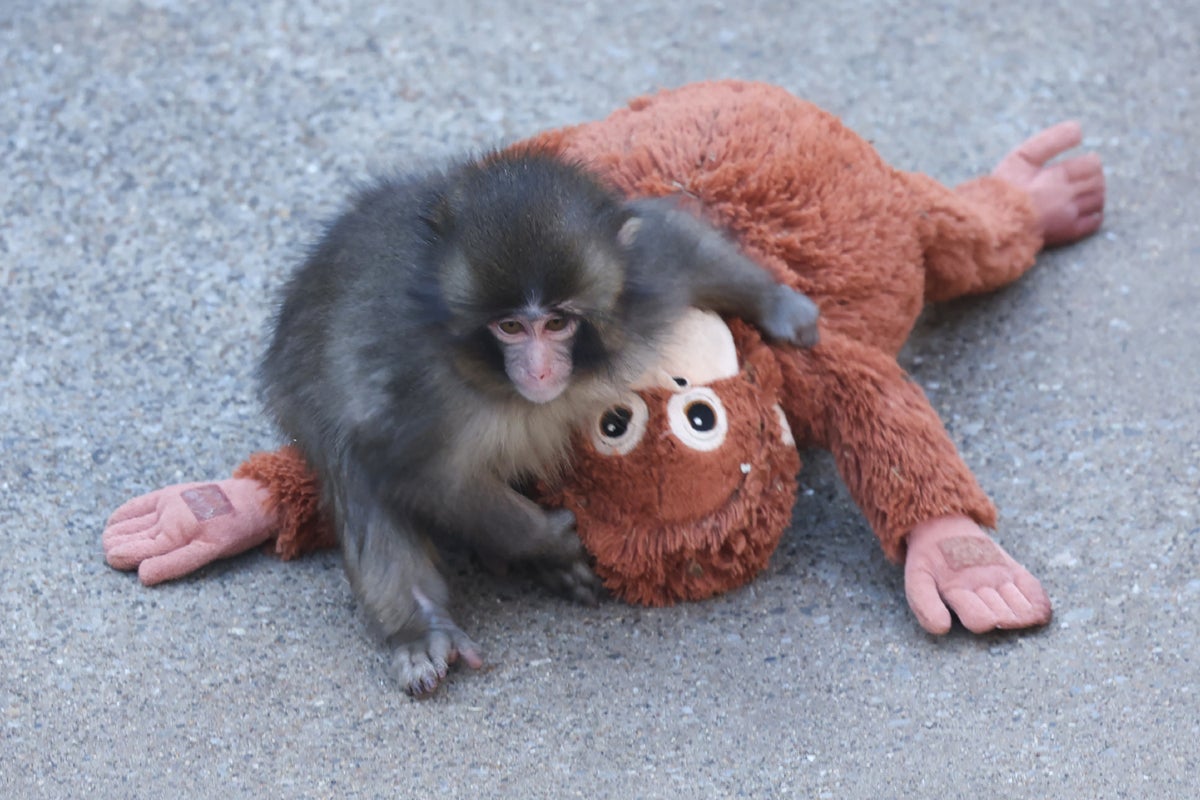
Recent images of Punchy show him sitting alone, motionless, arms wrapped around himself.
No cries.
No resistance.
No interest — not even in the stuffed toy that once meant everything.
At first glance, this might seem like calm behavior.
But in animal psychology, this state is known as:
👉 “Trauma-induced stillness”
When an animal experiences overwhelming emotional stress — such as:
-
Maternal loss
-
Sudden environmental change
-
Social rejection
It may enter a shutdown response.
Instead of reacting outwardly, the animal withdraws inward.
💔 This is not peace.
💔 This is not comfort.
👉 It is a defense mechanism — when the mind can no longer process pain.
Punchy’s stillness is not obedience.
It is survival.
2. The Inner World: Can Animals Feel “Heartbreak”?


For a long time, humans believed that complex emotions — like grief or heartbreak — were uniquely human.
But neuroscience tells a different story.
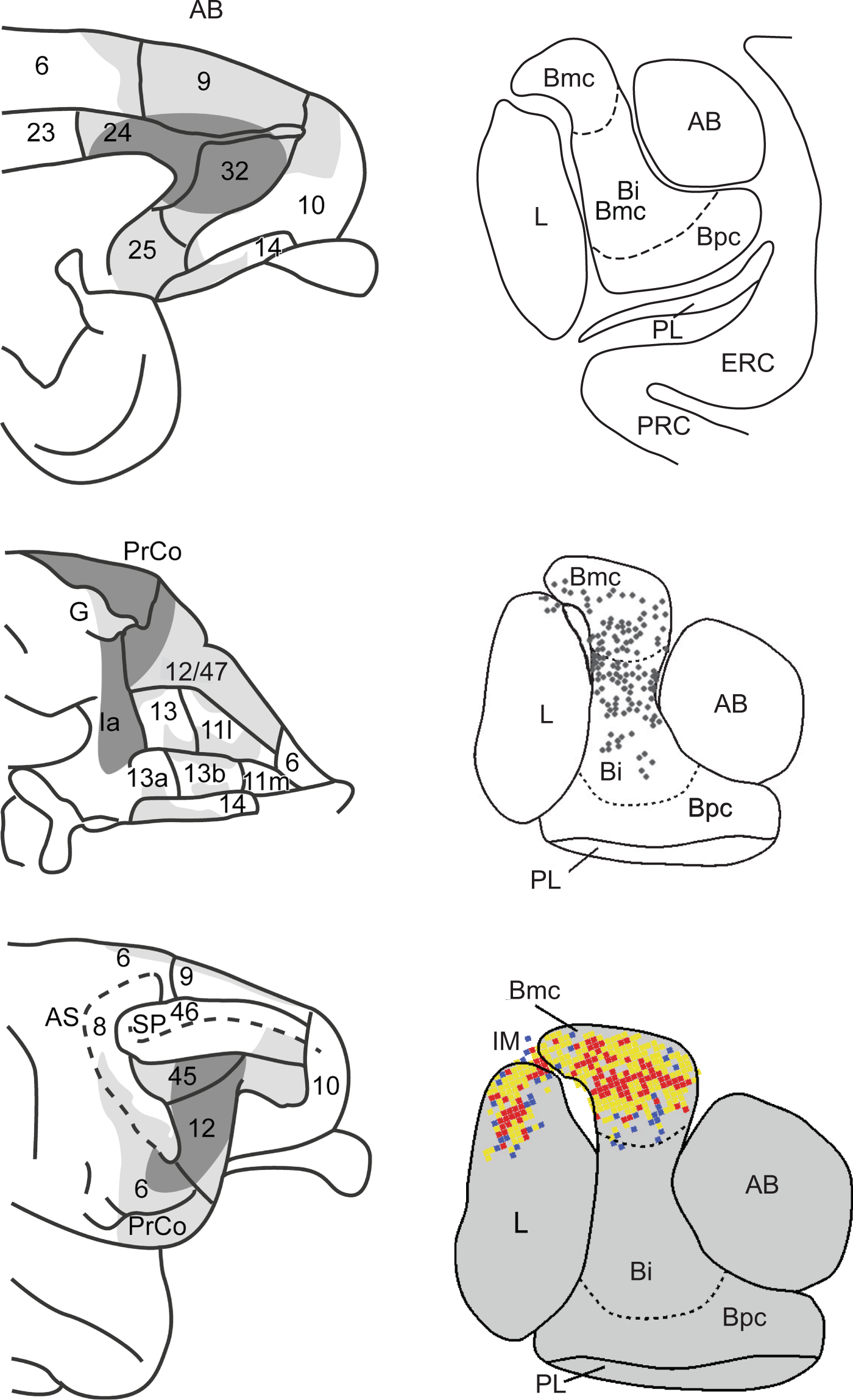
Mammals, especially primates, possess a well-developed:
👉 Limbic system — the part of the brain responsible for:
-
Fear
-
Attachment
-
Love
-
Sadness
This means animals don’t just react.
👉 They feel.
💛 Deep Attachment
For orphaned animals like Punchy:
-
Caregivers
-
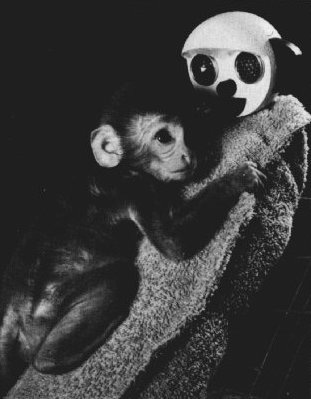
Familiar objects (like a stuffed toy)
become sources of emotional security — what psychologists call:
👉 Secure attachment
That toy wasn’t just an object.
It was safety.
It was comfort.
It was connection.
💔 The Pain of Letting Go
One of the most alarming signs in Punchy’s behavior is this:
👉 He no longer holds his toy.
In animal psychology, this can indicate:
👉 Resignation
A state where the animal:
-
Withdraws from previously meaningful stimuli
-
Loses interest in comfort
-
Disconnects from its environment
This is often associated with severe depression-like states.
Not loud.
Not dramatic.
But deeply concerning.
3. Why Stability and Familiar Bonds Matter

There is, however, a critical factor that can support recovery:
👉 Consistency in care
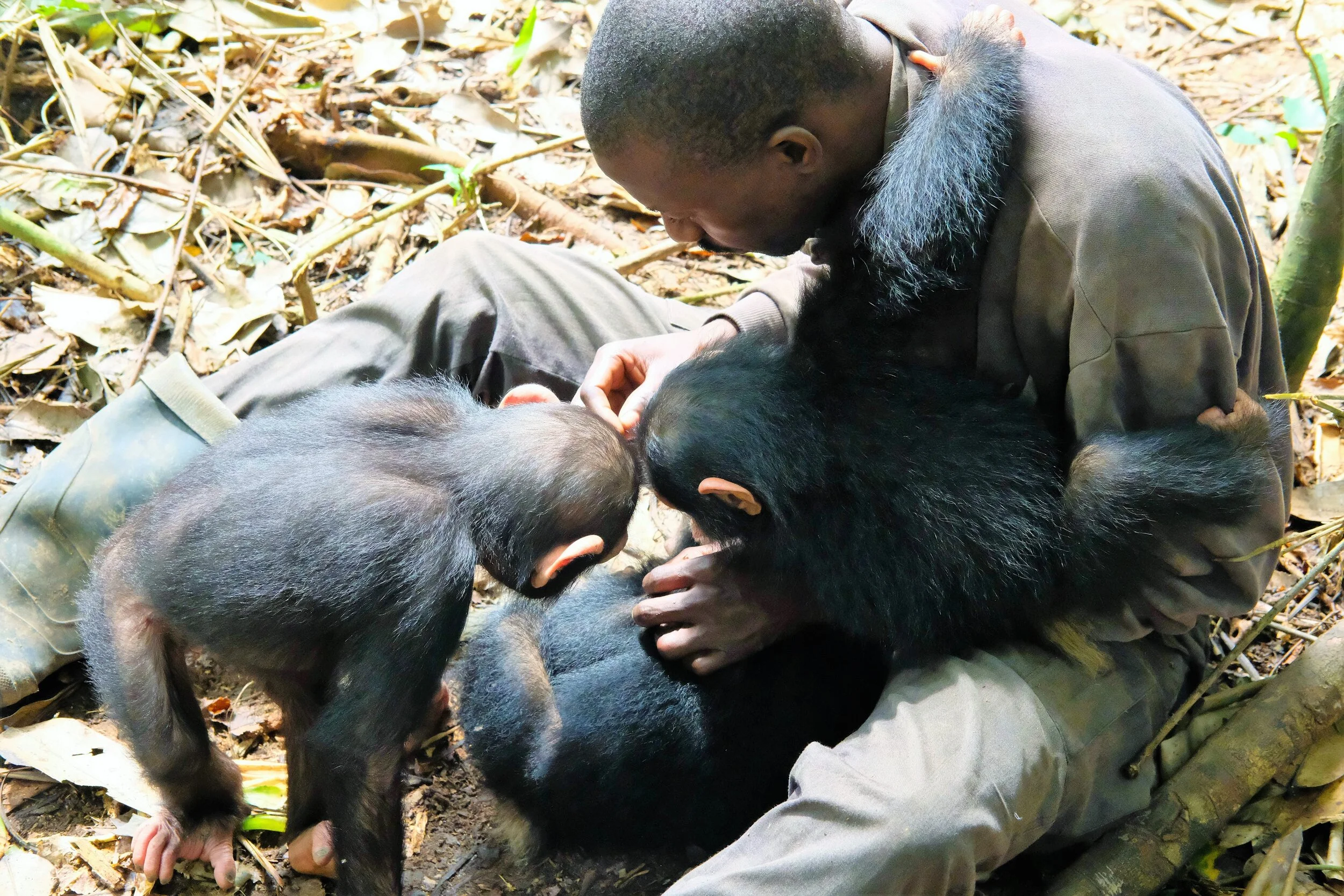
The decision by caretakers (such as at Ichikawa Zoo) to maintain a stable caregiving team is not just logistical.
It is psychologically vital.
For a traumatized animal:
-
Strangers = uncertainty, threat
-
Familiar faces = safety, continuity
Being cared for by the same individuals who:
-
Fed him
-
Held him
-
Protected him
helps preserve a fragile but essential connection:
👉 Trust
🧪 The Science Behind It
Stable relationships help:
-
Reduce cortisol (stress hormone)
-
Regulate emotional responses
-
Support neurological recovery
💡 In simple terms:
👉 Familiar presence can rebuild a broken emotional system
Sometimes, healing doesn’t come from action.
It comes from someone staying.
4. What Punchy Teaches Us About Compassion



Punchy’s story is not just about one animal.
It’s about something universal.
💬 Lesson 1: Silence Can Be a Cry for Help
Not all suffering is visible.
Sometimes:
👉 The absence of reaction is the strongest signal.
💬 Lesson 2: Presence Matters More Than Action
We often think healing requires solutions.
But sometimes:
👉 Just being there is enough.
💬 Lesson 3: Compassion Has No Species Boundary
Punchy reminds us:
👉 Pain is not exclusive to humans
👉 Neither is the need for comfort
Conclusion: A Small Life, A Powerful Truth
Punchy may be small.
But what he represents is immense.
He shows us that:
-
Animals feel deeply
-
Trauma is real across species
-
Healing requires patience, safety, and connection
💛 Understanding animal pain doesn’t just help them.
👉 It makes us more human.
💬 What Do You Think?
👉 Do you believe animals experience emotional pain like humans?
👉 Have you ever seen silence that felt heavier than words?
👉 Drop a ❤️ if this touched you
👉 Share your thoughts — your voice matters
❤️ If this story moved you, don’t forget to Like & Share
Your kindness helps spread awareness and compassion.
#Punchy #AnimalPsychology #Empathy #AnimalWelfare #Healing #ZooLife