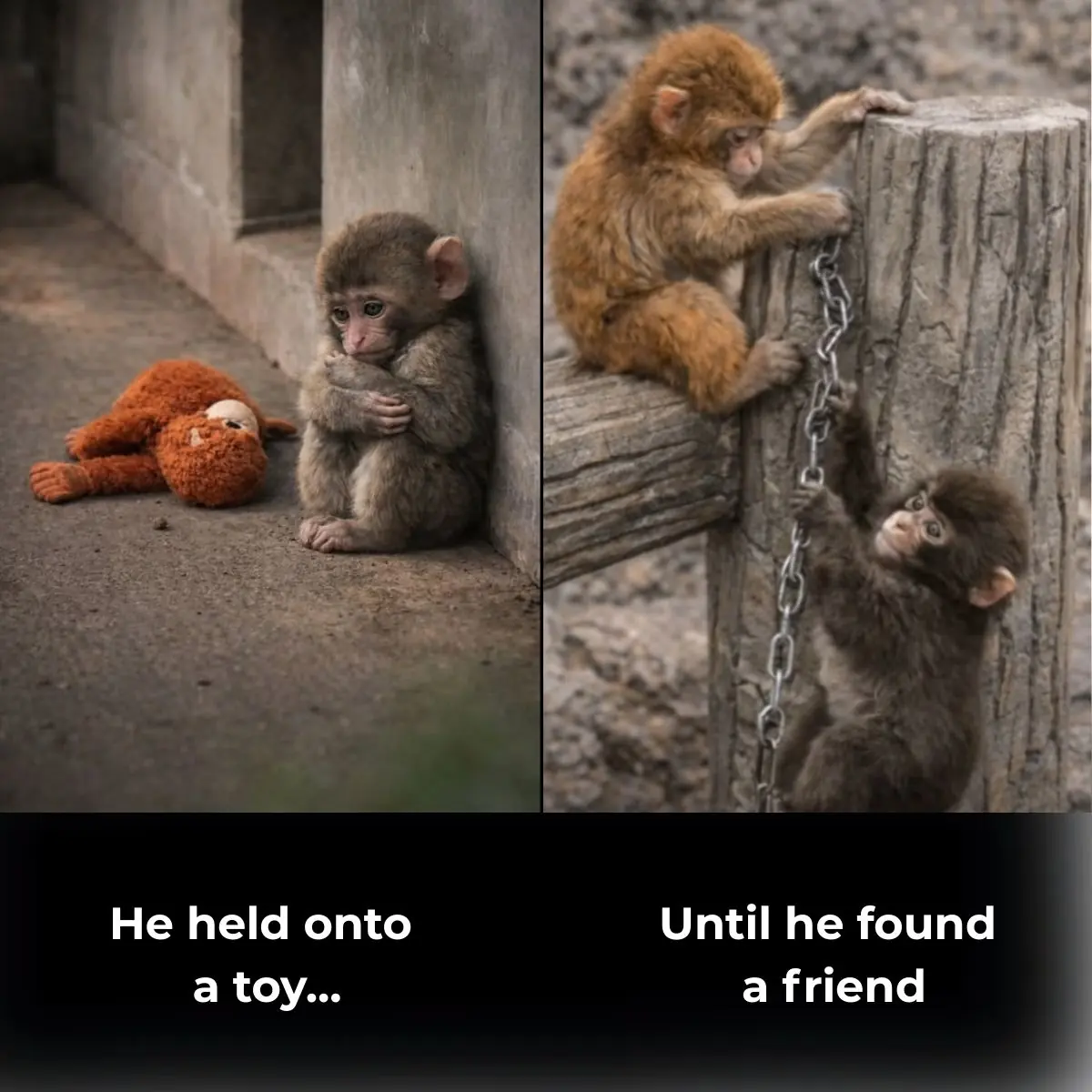
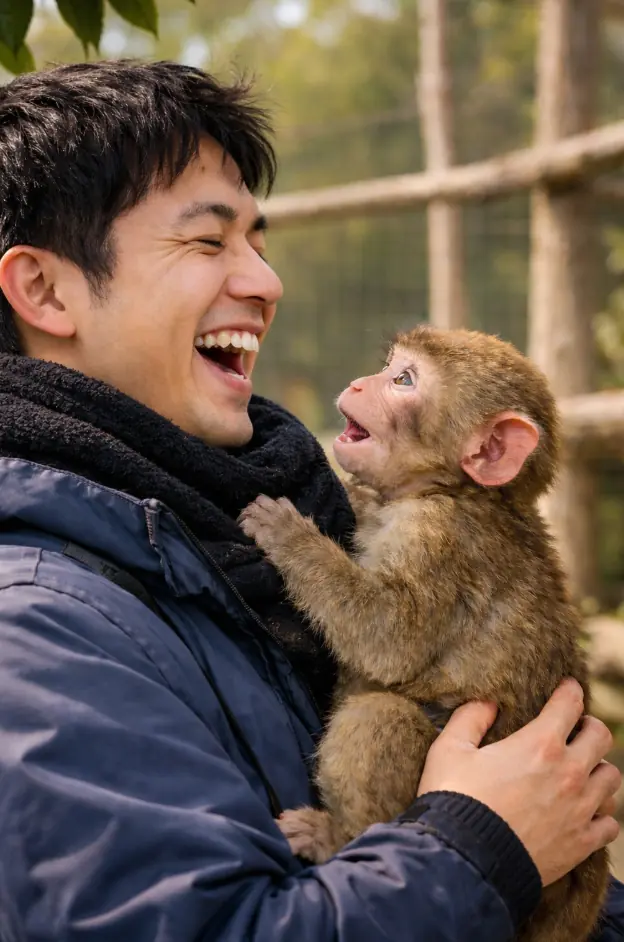
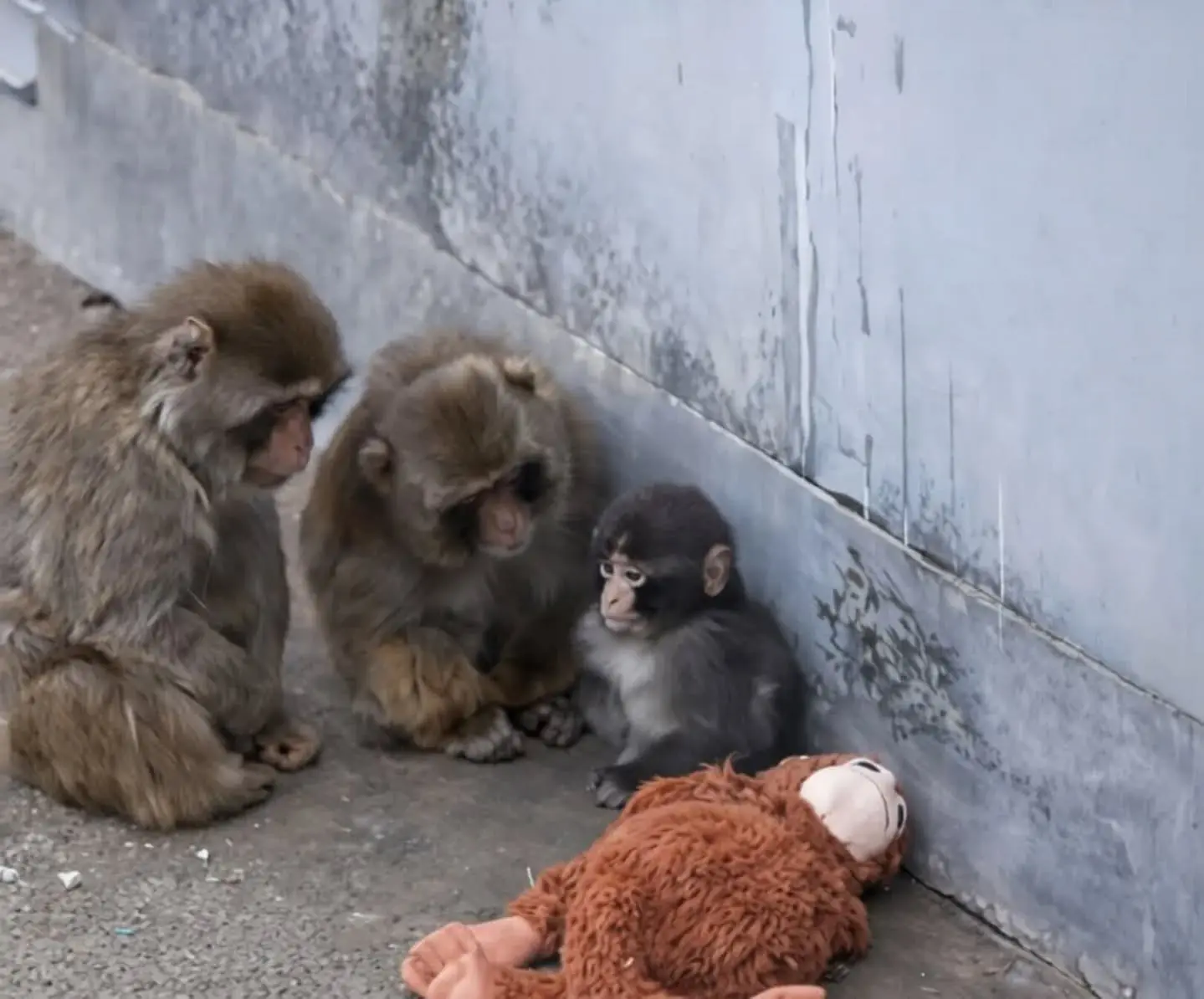
The Scientific Fear: Could We Create Monkeys That Think and Speak Like Humans?
On December 22, 2011, the Academy of Medical Sciences issued a serious warning:
👉 Scientific research involving human genes and animals may cross dangerous ethical boundaries.
The concern wasn’t just about safety.
It was about something much deeper:
💔 What happens if animals begin to develop human-like traits?
This includes:
-
Language
-
Cognitive thinking
-
Even personality
Researchers warned that introducing human genes into animals — especially primates — could lead to outcomes we are not prepared to handle.
And governments were urged to create stricter regulations.
2. The Real Fear: Monkeys That Can Think and Speak
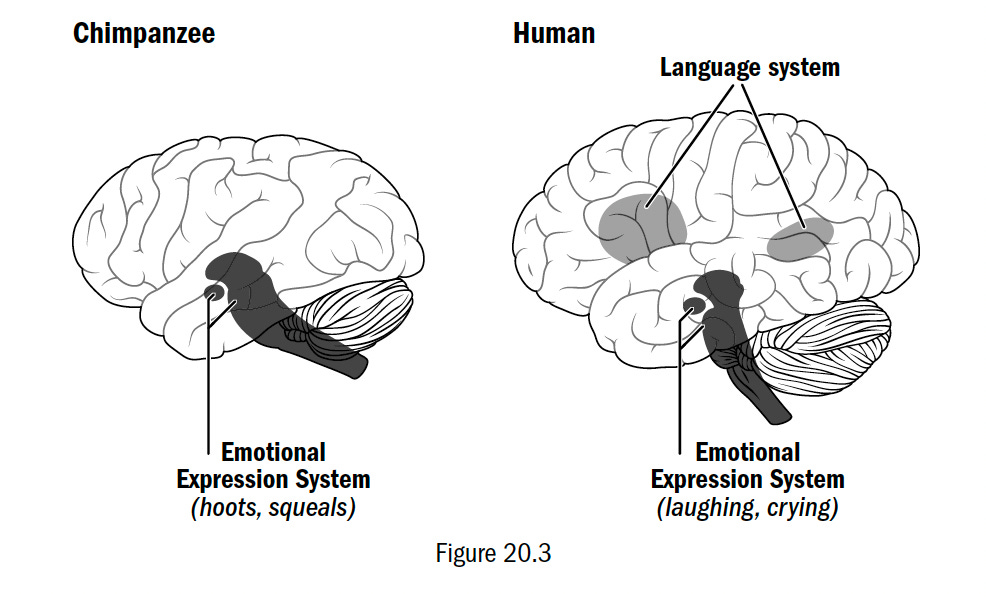

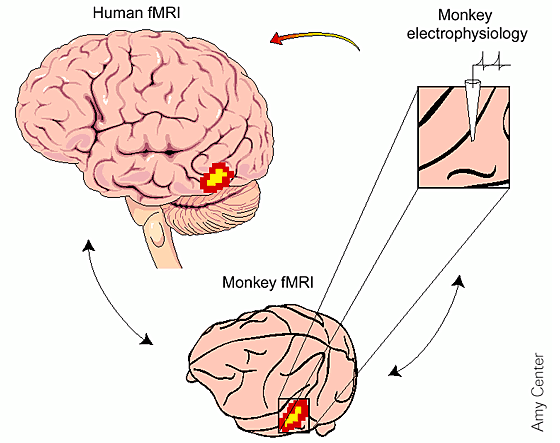
Scientists are particularly concerned about experiments involving:
👉 Human brain cells inserted into animal brains
According to Professor Thomas Baldwin:
If enough human neural cells are introduced…
👉 Monkeys could potentially develop abilities such as:
-
Advanced reasoning
-
Self-awareness
-
Even language
This sounds like science fiction.
But biologically, it’s not impossible.
📊 Consider this:
-
In 1970, humans and chimpanzees shared ~98.5% of DNA
-
By 2003, this similarity was estimated at 99.6%
💡 That means:
The gap between humans and primates is smaller than we once thought
⚠️ The Ethical Dilemma
This research is often called:
👉 “Humanizing animals”
And it raises serious questions:
-
If a monkey can think like a human… what rights does it have?
-
Is it still an animal — or something in between?
-
Are we creating intelligence without responsibility?
Professor Martin Bobrow even suggested:
👉 It may be time to stop these experiments entirely
3. A Disturbing Reality: Monkeys Already Show Human-Like Traits


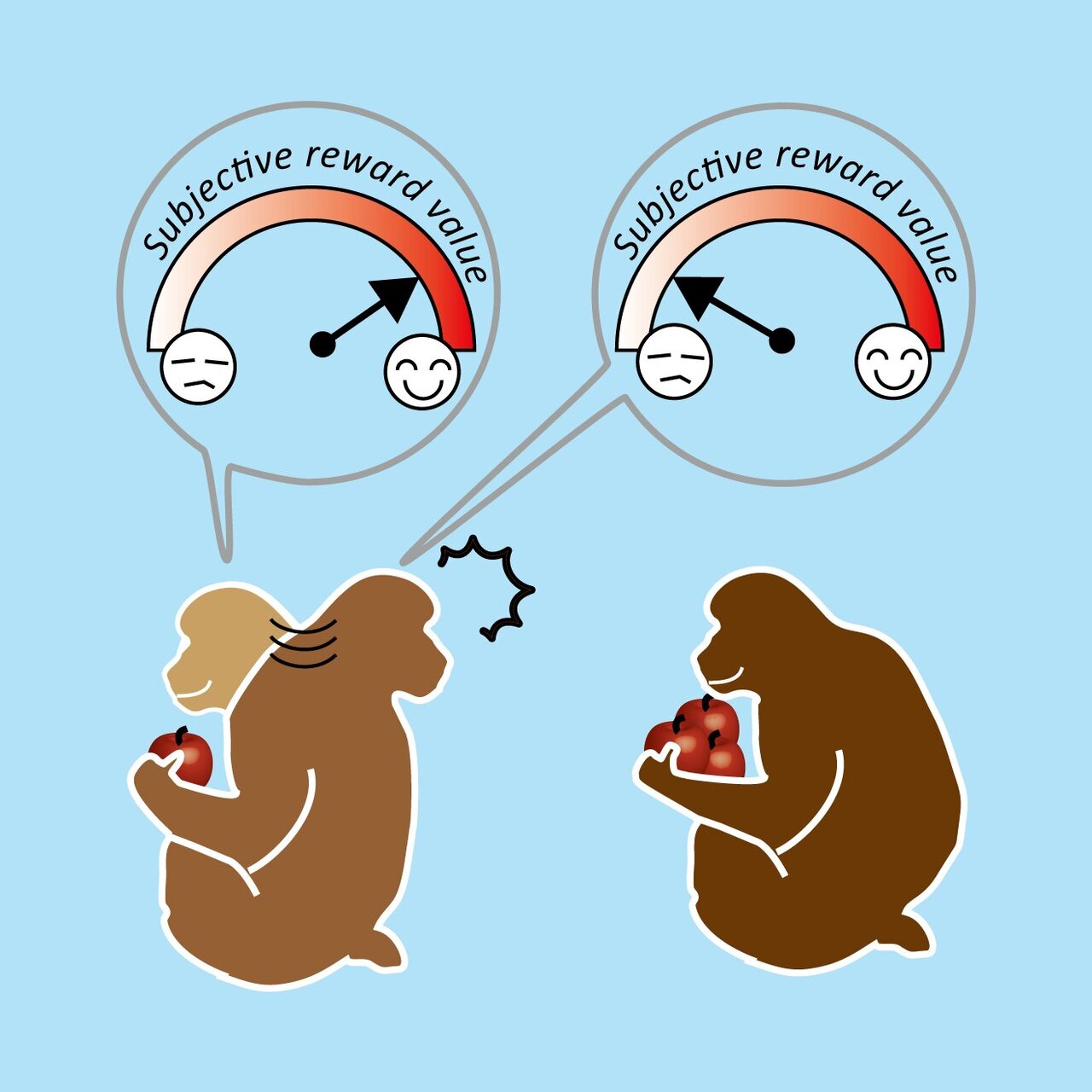
Here’s what makes this even more unsettling:
👉 Monkeys are already showing signs of “human-like thinking”
In a study conducted at Yale University School of Medicine, researchers Daeyeol Lee and Hiroshi Abe observed monkeys playing a simple game (similar to rock-paper-scissors).
What they found was remarkable:
-
When monkeys lost, they changed strategy
-
They analyzed previous outcomes
-
They adapted behavior to improve results
👉 In simple terms:
They were learning from mistakes.
🧠 Even More Surprising: “Regret” in Monkeys
Brain scans showed activity in two key regions:
-
Dorsolateral prefrontal cortex → decision-making & memory
-
Orbitofrontal cortex → emotional processing (including regret)
💡 This suggests:
👉 Monkeys may experience something very close to regret
A feeling we once believed was uniquely human.
Conclusion: Are We Closer Than We Think?
Science is now facing a difficult reality:
-
Monkeys already show intelligence
-
They already display emotional depth
-
They can learn, adapt, and possibly “feel” in complex ways
So the real question is no longer:
👉 Can monkeys become more like humans?
But rather:
👉 How far are we willing to push that boundary?
Final Thought
Creating a monkey that can speak or think like a human may sound like a breakthrough.
But it also raises a deeper concern:
💔 What if we create something that can feel… but cannot belong?
💬 What Do You Think?
👉 Should scientists continue research that could make animals more human-like?
👉 Or is this a line we should never cross?
👉 Drop a ❤️ if this made you think
👉 Share your opinion — this debate affects the future of science and ethics