The Quiet Rescue of a Lamb Who Learned to Walk — and Trust — Again
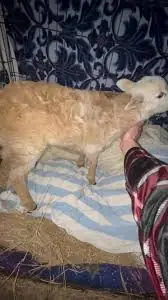
When Gilad arrived at the sanctuary, he did not cry out.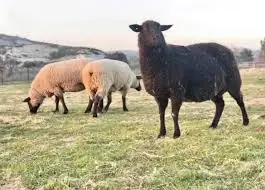
He did not struggle.
He did not try to stand.
He simply lay there — stiff, trembling, and completely alone.
Rescuers would later say the silence was the most alarming part.
Gilad was a newborn lamb, too young to understand why he had been separated from his mother, too weak to protest what had happened to him. His legs could not support his body. His eyes darted around in fear. And everything about him suggested the same heartbreaking truth… someone had given up on him before he ever had a chance to begin.
All he wanted was his mama.
A Lamb Left Behind
Sanctuary staff believe Gilad was dumped because he could not stand on his own.
In farming systems around the world, animals born with weakness or physical challenges are often seen as unviable. When care costs time and money, the most vulnerable are the first to be discarded. For animals like Gilad, survival depends entirely on whether someone chooses compassion instead of convenience.
By the time he arrived, Gilad’s body showed signs of stress and neglect. His muscles were weak. His movements were uncoordinated. He had likely spent his first days without warmth, comfort, or the most basic reassurance that every newborn needs — a mother’s presence.
For prey animals like sheep, fear is not learned. It is instinct.
And Gilad was terrified.
The First Days: Fear Without Words
Rescuers moved slowly.
They knew that rushing him, lifting him too quickly, or forcing movement could deepen his fear and worsen his condition. Instead, they focused on creating safety — warmth, soft bedding, gentle hands, and calm voices.
Gilad flinched at every touch.
He did not know where he was.
He did not know who these humans were.
He only knew that his mother was gone.
For many animals, separation trauma can be as dangerous as physical injury. Lambs are social from birth. They recognize their mother’s voice, scent, and heartbeat almost immediately. Losing that bond can cause shock, withdrawal, and failure to thrive.
Gilad’s body was weak — but his loneliness was just as serious.
Care That Goes Beyond Medicine
The sanctuary team did what they could medically.
They assessed his limbs, supported his joints, and began gentle physical therapy. They helped him stretch, repositioned his legs, and encouraged movement without pressure. Every step was guided by patience rather than urgency.
But healing was not just physical.
They stayed close.
They spoke softly.
They made sure Gilad was never alone.
Animals do not need explanations — they need consistency. And slowly, something began to change.
The Moment No One Expected
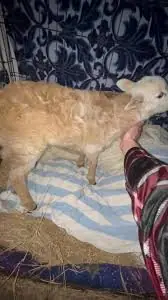
Just days after arriving, Gilad surprised everyone.
He tried to stand.
It was not graceful. His legs shook. His balance wavered. But for the first time, he pushed against the ground instead of surrendering to it.
Rescuers held their breath.
Then — one step.
Then another.
Gilad was walking.
The breakthrough did not come from force or training. It came from safety. When fear eased, his body remembered what it was meant to do.
For the team watching, it was emotional. For Gilad, it was instinct awakening.
Still, Something Was Missing
Even as Gilad grew stronger, rescuers noticed something.
He was calmer when someone was near.
He panicked when left alone.
He searched constantly for contact.
His body was healing — but his heart was still looking for his mother.
This is when the sanctuary made a gentle decision.
They introduced him to another lamb.
The Power of One Friend 🐑💛
The bond formed almost immediately.
The other lamb stayed close, lying beside Gilad, mirroring his movements, offering silent reassurance. When Gilad hesitated, the other lamb moved first. When Gilad rested, the other rested too.
No words.
No instructions.
Just presence.
For social animals, companionship can be as powerful as medicine. The other lamb became something Gilad desperately needed — a stand-in for the safety he had lost.
From that moment on, Gilad changed.
Learning Confidence Through Connection
With his new companion nearby, Gilad grew bolder.
He walked more steadily.
He explored unfamiliar spaces.
He ate with more enthusiasm.
The fear in his eyes softened.
Scientists and animal behaviorists have long known that social buffering — the calming effect of companionship — plays a huge role in recovery. Animals heal faster when they feel safe, and safety often comes from not being alone.
Gilad did not just learn how to walk.
He learned how to trust.
Why This Story Resonates So Deeply
Gilad’s rescue spread quickly online, touching people far beyond the sanctuary walls. Why?
Because his story reflects something deeply human.
We understand what it means to feel abandoned.
We understand the instinct to look for comfort when afraid.
We understand how one caring presence can change everything.
Gilad’s weakness was visible — but his need was universal.
The Reality Many Animals Face
For every Gilad who is rescued, countless others are not.
Animals born with disabilities or health challenges are often discarded quietly, without headlines or witnesses. Their stories end before anyone knows their names.
Sanctuaries exist because compassion is not guaranteed.
But Gilad’s survival shows what happens when someone chooses differently.
Not Just Survival — A Life
Today, Gilad continues to grow stronger.
He walks.
He plays.
He rests beside his companion without fear.
He is no longer the lamb who could not stand.
He is a reminder that recovery does not always require extraordinary resources — sometimes it requires extraordinary patience.
What Gilad Teaches Us
Gilad did not need fixing.
He needed time.
He needed gentleness.
He needed someone — anyone — to stay.
His story challenges the idea that worth is measured by usefulness or strength. It asks a quieter question instead:
What if vulnerability is not a reason to give up… but a reason to care more?
He Just Wanted His Mama — and Found Something Close Enough
Gilad may never be reunited with his biological mother.
But he found safety.
He found companionship.
He found a second chance.
And sometimes, that is enough.
His small steps echo a much larger truth — that kindness, offered at the right moment, can help even the weakest stand again.