The Ocean Is Noisier — and More Organized — Than It Sounds
For most people, the ocean feels quiet.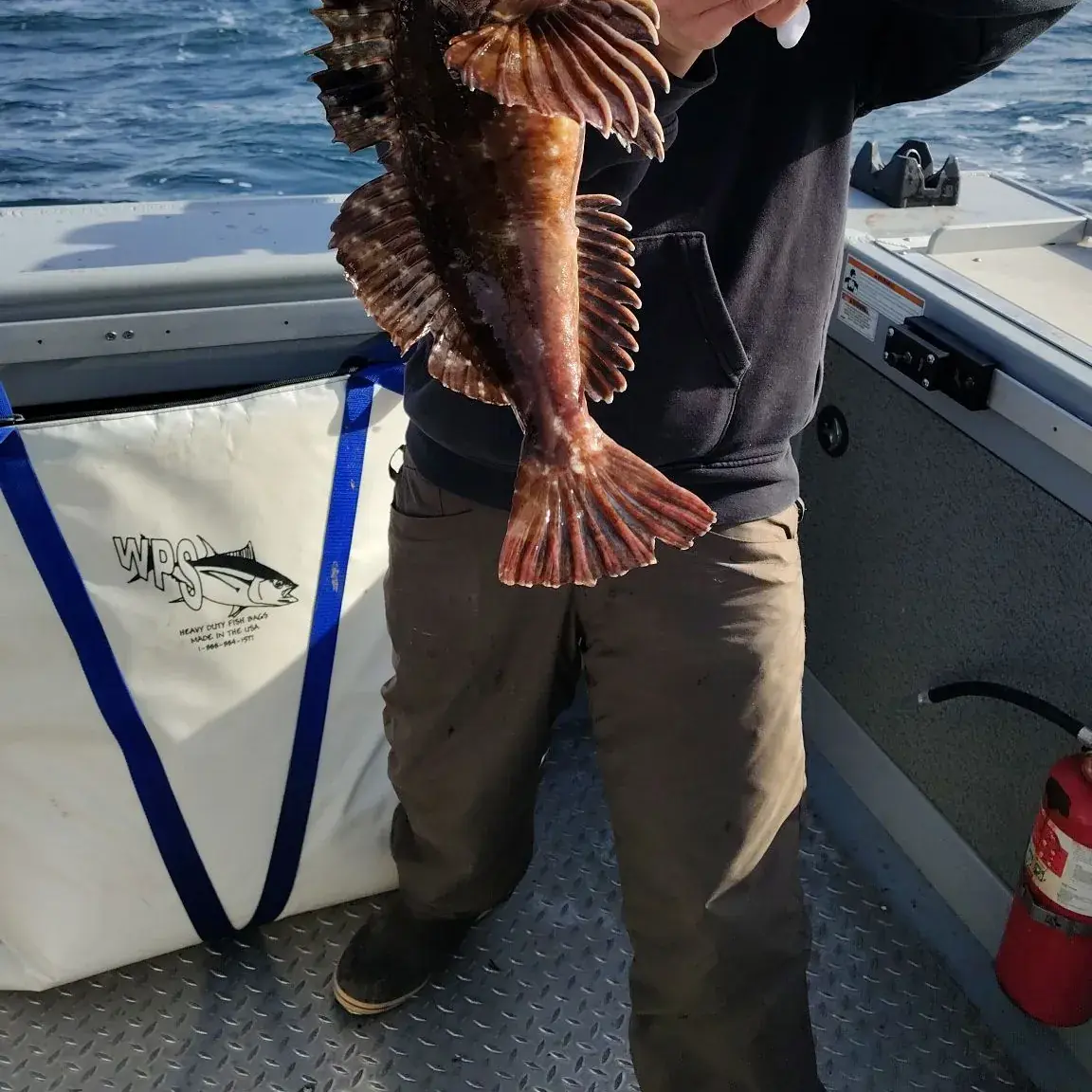
Stand on a beach, listen closely, and all you hear is the steady crash of waves, the rush of wind, maybe the distant call of seabirds. Beneath the surface, we imagine a vast blue silence — broken only by the songs of whales or the clicks of dolphins.
But science is now revealing something very different.
The ocean is not quiet at all. It is crowded with voices. And for the first time, researchers have begun to understand who is speaking — and why it matters.
After analyzing more than 1,000 underwater recordings, scientists have successfully matched distinct sounds to eight different fish species, including rockfish, lingcod, and kelp greenling. Each species produces its own unique acoustic signature — a kind of underwater accent — forming an organized soundscape that has existed all along, unnoticed by human ears.
What we once thought was noise is turning out to be information.
Listening Instead of Looking
For centuries, marine science has relied heavily on sight.
Divers observe behavior. Nets capture specimens. Sonar maps the seafloor. Cameras reveal coral reefs and shipwrecks. But sight has limits, especially in an environment where light fades quickly and visibility changes by the minute.
Sound, on the other hand, travels far and fast underwater.
Fish can hear vibrations across long distances. They communicate, defend territory, coordinate spawning, and react to danger using sound. Yet until recently, most of these noises were either ignored or lumped together as background static.
That is now changing.
By carefully analyzing underwater acoustic recordings and pairing them with direct observations, researchers have begun to decode a hidden layer of ocean life — one that never stops talking.
Eight Species, Eight Voices
The breakthrough came when scientists compared underwater sounds with visual confirmation of which species were present at the time of recording.
Over hundreds of hours of data, patterns emerged.
Rockfish produced low, rhythmic pulses.
Lingcod emitted short, sharp knocks.
Kelp greenling created softer, repetitive sounds, almost like underwater tapping.
Each species had its own acoustic fingerprint — consistent enough to be recognized again and again.
This marked the first time researchers could confidently match specific sounds to multiple fish species in the wild.
It was not just proof that fish make noise.
It was proof that the ocean has structure — an acoustic order layered beneath the waves.
Why Fish Make Sound at All
Fish do not have vocal cords like mammals, but many species have evolved creative ways to produce sound.
Some vibrate muscles connected to their swim bladders.
Others grind teeth or snap bones together.
Some create noise through rapid body movements or fin vibrations.
These sounds serve many purposes:
-
Attracting mates
-
Defending territory
-
Warning rivals
-
Coordinating group behavior
-
Navigating complex habitats
In dense environments like kelp forests or rocky reefs, sound can be more reliable than sight. Visibility changes constantly. Sound does not.
For fish, the ocean is not just something you swim through — it is something you listen to.
A Hidden Map of Marine Life
Once scientists realized they could identify fish species by sound alone, a powerful idea followed.
What if we could monitor marine ecosystems without ever catching a fish?
Traditional population surveys often involve nets, traps, or tagging — methods that are expensive, disruptive, and sometimes harmful. Many species are sensitive to human presence. Others live in habitats that are difficult or dangerous to access.
Passive acoustic monitoring changes that.
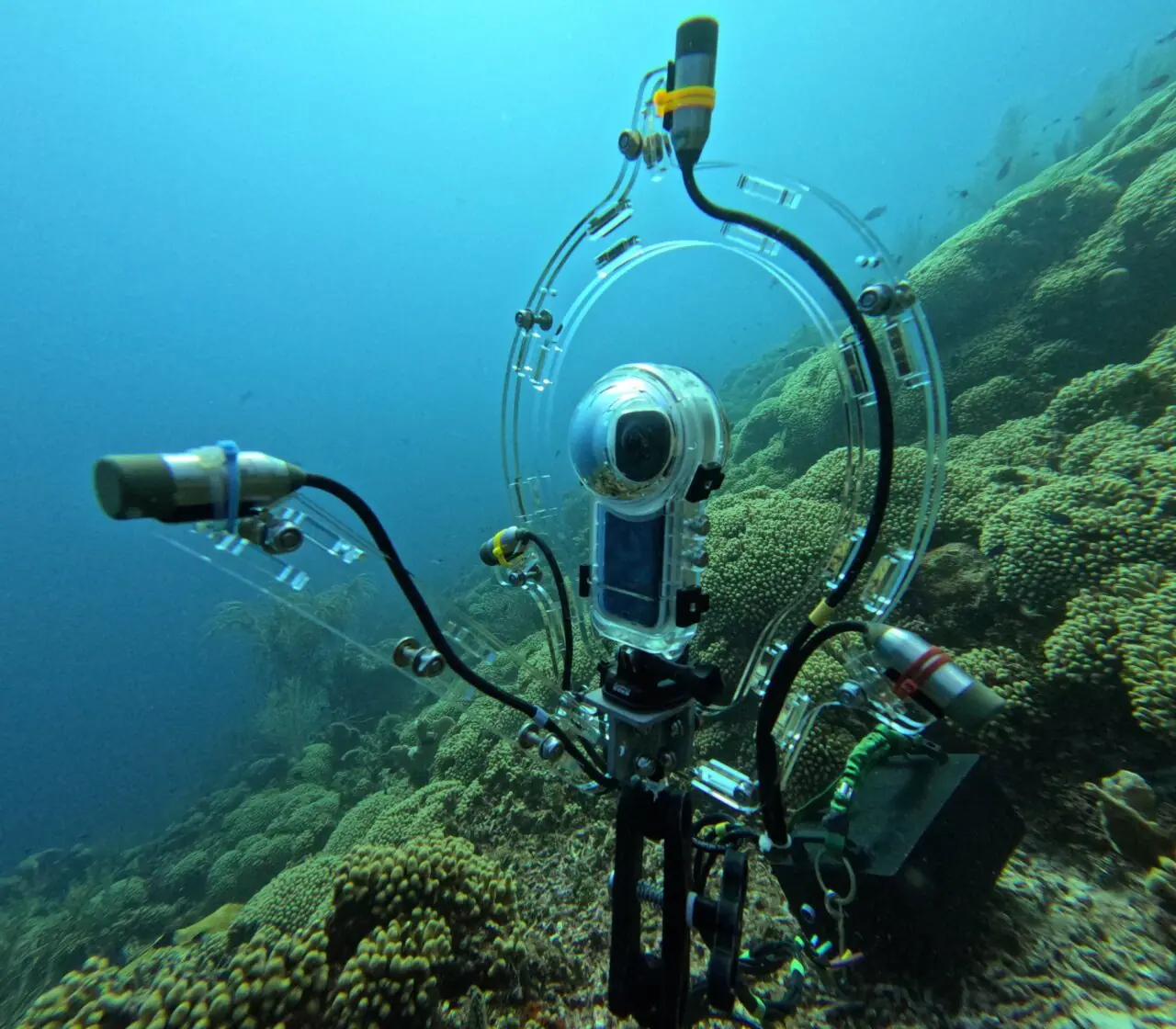
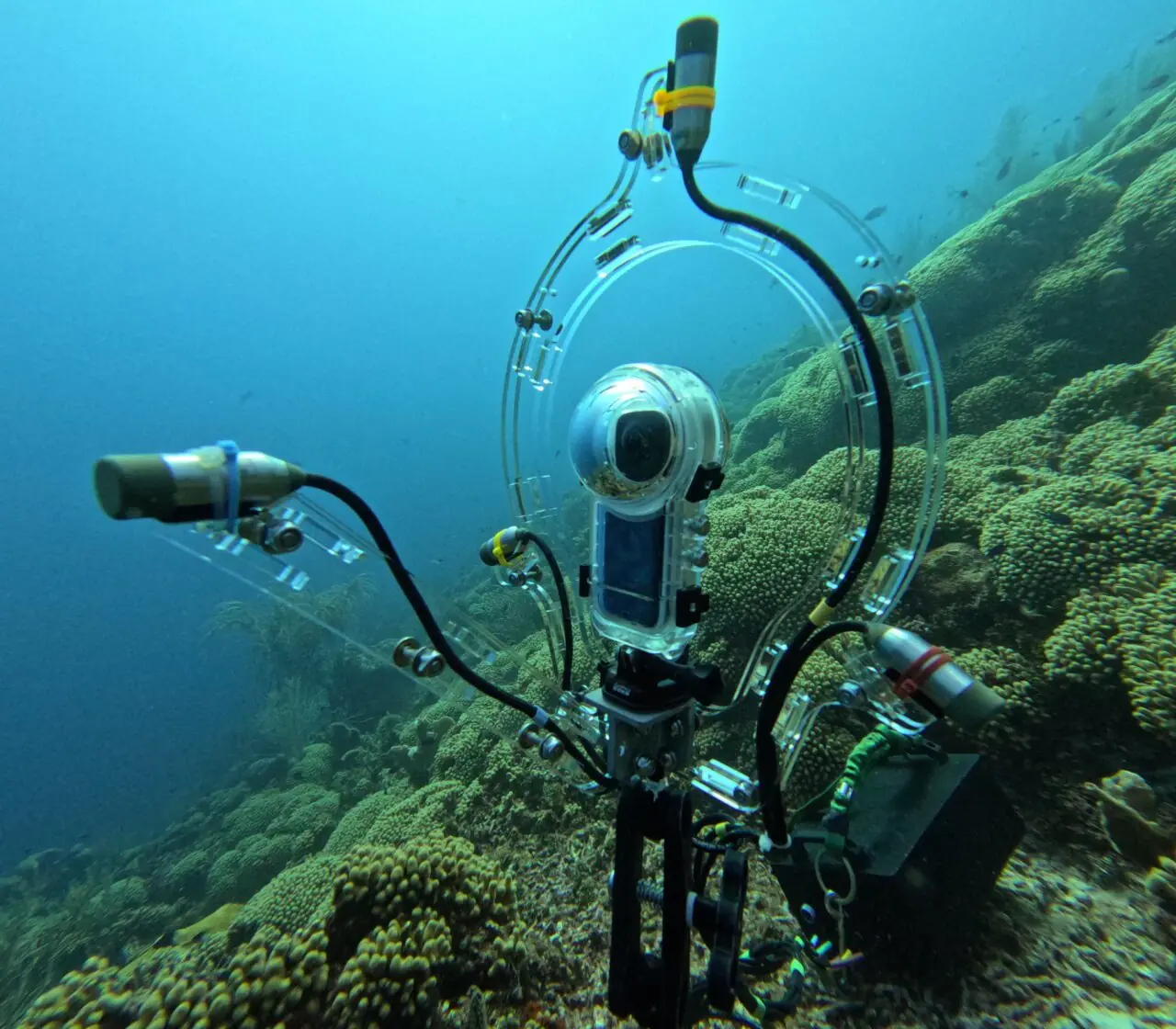
Hydrophones can sit quietly on the seafloor for months, recording everything without disturbing the environment. By recognizing species-specific sounds, scientists can track:
-
Population changes
-
Migration patterns
-
Breeding seasons
-
Habitat use
-
Long-term ecosystem health
All without touching the animals at all.
The Ocean as an Orchestra, Not a Crowd
One of the most surprising findings was not just that fish make noise — but that their sounds are organized in time and space.
Different species call at different times of day.
Some are louder at night.
Others dominate the soundscape during spawning seasons.
Certain habitats have distinct acoustic identities.
This creates something researchers describe as an acoustic ecosystem — a layered composition where each species occupies its own sonic niche.
Like instruments in an orchestra, fish voices overlap without canceling each other out.
The ocean, it turns out, is not chaotic noise.
It is a carefully balanced chorus.
Why This Matters for Conservation
Marine ecosystems worldwide are under pressure.
Overfishing, climate change, pollution, and habitat destruction are altering oceans faster than scientists can visually monitor. Many changes happen below the surface, far from human eyes.
Sound offers a solution.
By establishing acoustic baselines — what a healthy reef or kelp forest sounds like — scientists can detect early warning signs of trouble.
A sudden silence may indicate population decline.
Changes in timing may signal disrupted breeding cycles.
New sounds may reveal invasive species.
In this way, listening becomes a tool for protection.
Noise Pollution: When the Ocean Gets Too Loud
Understanding natural ocean sounds also highlights a growing problem — human-made noise.
Ships, seismic surveys, offshore construction, and military sonar have dramatically increased underwater noise levels over the past century. This noise can interfere with communication, navigation, and behavior in marine animals.
If fish rely on sound to survive, excessive noise becomes more than a nuisance — it becomes a threat.
By mapping natural soundscapes, scientists can better measure how human activity disrupts them, and design quieter technologies or protected acoustic zones.
A Shift in How We Study Life
This discovery reflects a broader shift in science: moving from domination to observation.
Instead of capturing, tagging, and controlling animals, researchers are increasingly learning to watch — and listen — without interference.
This approach respects the complexity of ecosystems while producing richer data.
It also reminds us that absence of evidence is not evidence of absence.
Just because humans could not hear fish before does not mean they were silent.
What Else Are We Not Hearing?
The ocean covers more than 70 percent of Earth’s surface, yet much of it remains unexplored.
If eight fish species have distinct voices, how many more are still unidentified?
How many soundscapes remain unmapped?
How many behaviors are happening beyond human perception — simply because we were not listening?
This discovery opens the door to a future where marine conservation is guided not only by what we see, but by what we hear.
Listening as an Act of Respect
There is something quietly profound about this shift.
For a long time, humans believed the ocean was something to conquer, extract, and cross. Now, science is asking us to do something simpler — and harder.
To listen.
To recognize that beneath the surface exists a complex, organized world that does not revolve around us.
And to understand that protecting life sometimes begins not with action — but with attention.
The ocean has been speaking all along.
We are just beginning to hear it. 🌊🎧